 English
 中文简体
中文简体
Call us
+86-15105800222
+86-15105800333


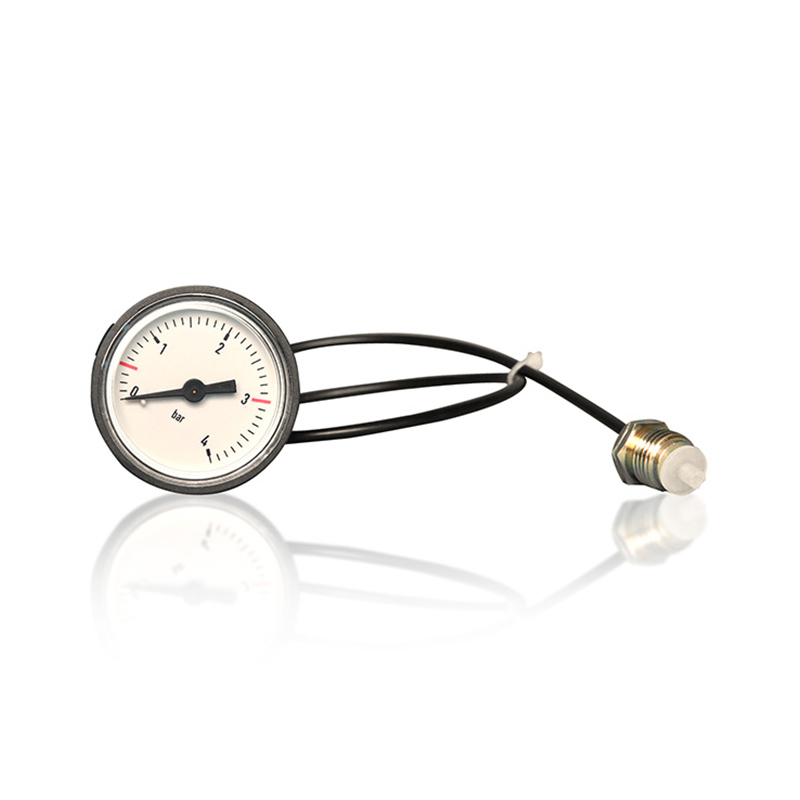
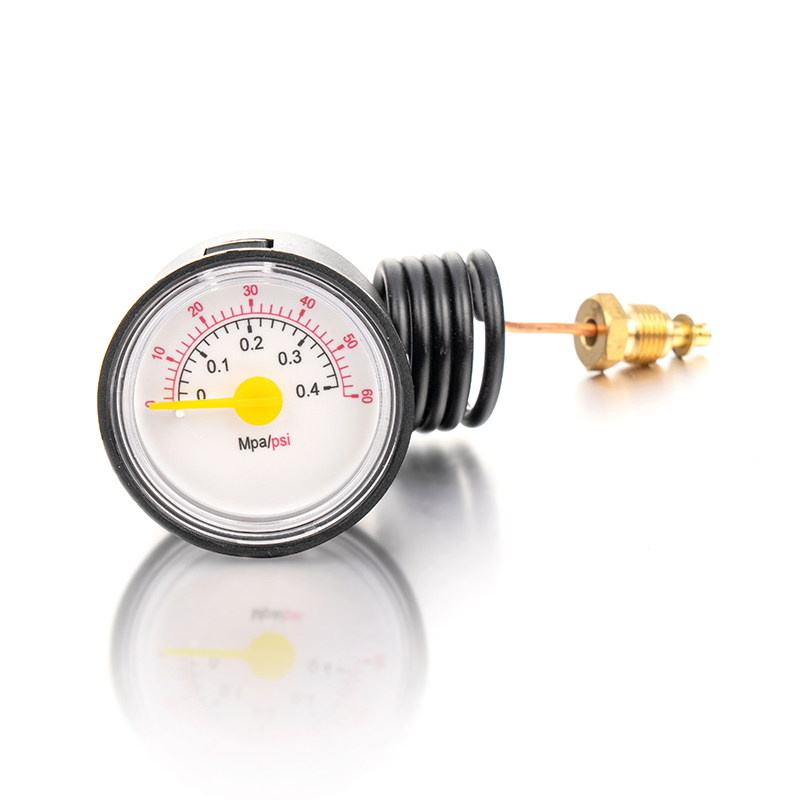
In petrochemical processing systems, accurate pressure measurement is a critical requirement for operational safety and process stability. The Petrochemical PP Diaphragm Pressure Gauge is widely applied in corrosive media environments where conventional metal pressure gauges face material degradation risks. The diaphragm is the most important functional component of this instrument. Material selection and specification determine pressure transmission accuracy, corrosion resistance, service life, and compatibility with chemical media.
Polypropylene (PP) has become a commonly used diaphragm material due to its chemical stability and mechanical reliability in petrochemical applications.
Polypropylene is a semi-crystalline thermoplastic polymer with excellent resistance to chemical attack. The molecular structure provides high inertness against acids, alkalis, and many organic chemicals commonly found in petrochemical processes. PP diaphragms isolate aggressive media from the pressure sensing element, preventing corrosion damage and contamination.
PP material offers low density, good fatigue resistance, and stable elastic behavior under repeated pressure cycles. Non-metallic composition eliminates electrochemical corrosion risks, making PP diaphragms suitable for long-term operation in chemical plants.
Industrial grade PP diaphragms are widely used in standard petrochemical applications. This specification balances chemical resistance and cost efficiency. Industrial grade PP is suitable for pressure measurement in acid transfer systems, alkaline pipelines, wastewater treatment units, and storage tanks.
Material performance remains stable under continuous operation at ambient temperatures. This diaphragm type is commonly selected for large-scale installations requiring consistent reliability.
High-purity PP diaphragms are manufactured from refined polypropylene resin with minimal additives and impurities. This specification is used in petrochemical processes where media purity must be maintained. Chemical penetration and material leaching are reduced.
High-purity PP diaphragms are applied in fine chemical processing lines, specialty chemical production, and sensitive pressure monitoring points where contamination risk must be minimized.
Homopolymer PP diaphragms are produced from a single propylene monomer. This structure provides higher rigidity and strong chemical resistance. Homopolymer PP performs well in environments with stable temperature and consistent chemical exposure.
This diaphragm specification is suitable for high-concentration acids and alkalis under controlled operating conditions. Long-term dimensional stability supports reliable pressure transmission.
Copolymer PP diaphragms incorporate ethylene segments into the polymer chain. This modification improves impact resistance and flexibility. Copolymer PP diaphragms perform better in low-temperature environments and systems subject to pressure fluctuations.
Enhanced toughness extends diaphragm fatigue life in dynamic petrochemical processes involving intermittent operation or variable loads.
Thin PP diaphragms are designed for low-pressure or micro-pressure measurement. Reduced thickness improves sensitivity and response speed. Pressure changes are transmitted rapidly to the measuring mechanism.
This specification is commonly used in process control systems where precision is required. Overpressure protection must be considered during application.
Standard thickness diaphragms provide a balanced combination of sensitivity and mechanical strength. This specification is the most widely used in petrochemical pressure gauges.
Applications include pipelines, reactors, storage vessels, and process equipment operating under moderate pressure conditions. Stability and durability are optimized for continuous operation.
Reinforced PP diaphragms feature increased thickness to withstand pressure surges and mechanical stress. Fatigue resistance is enhanced, supporting intermittent or pulsating pressure conditions.
This specification is selected for systems with frequent start-stop cycles or temporary pressure spikes.
Outdoor petrochemical installations expose instruments to ultraviolet radiation. UV-resistant PP diaphragms are modified to reduce polymer aging and surface degradation.
This specification extends service life in open-air pipe racks, tank farms, and exposed processing units.
Certain petrochemical media generate static electricity during flow. Anti-static PP diaphragms incorporate conductive additives to dissipate electrostatic charge.
This specification is applied in flammable or explosive environments to reduce ignition risk.
PP diaphragms demonstrate strong compatibility with sulfuric acid, hydrochloric acid, sodium hydroxide, ammonia solutions, and various saline media. Resistance to organic solvents and hydrocarbons varies depending on concentration and temperature.
Material specification selection must consider chemical composition, operating pressure, and thermal conditions. Different PP formulations offer varying permeability and aging characteristics.
Diaphragm material rigidity, thickness, and polymer structure directly affect response time, accuracy, and long-term stability. Insufficient strength may lead to deformation, while excessive stiffness can reduce sensitivity.
Proper specification selection ensures reliable pressure transmission, reduced maintenance frequency, and consistent measurement accuracy in petrochemical systems.

+86-15105800222
+86-15105800333


Shuangtang Industrial Zone,Liuheng Town , Putuo District, Zhoushan City,Zhejiang Province,China
We will reply to you within 12 hours after receiving the inquiry on working days. Or, give us a call.
The information provided on this website is intended for use only in countries and jurisdictions outside of the People's Republic of China.
Copyright © Zhoushan Jiaerling Meter Co., Ltd. All Rights Reserved.
 Wholesale Pressure Gauge Factory
