 English
 中文简体
中文简体
Call us
+86-15105800222
+86-15105800333


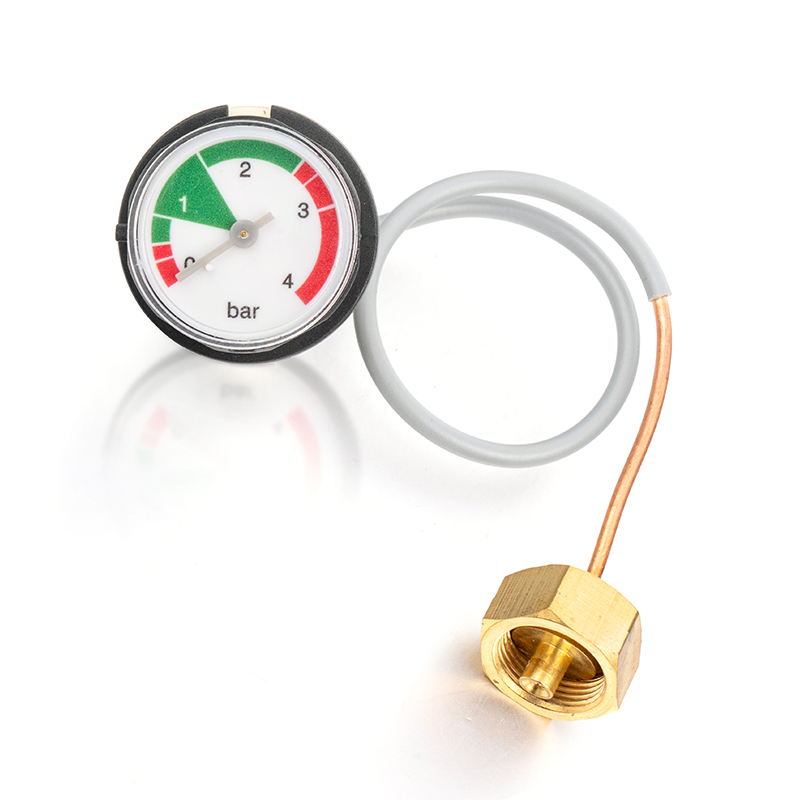
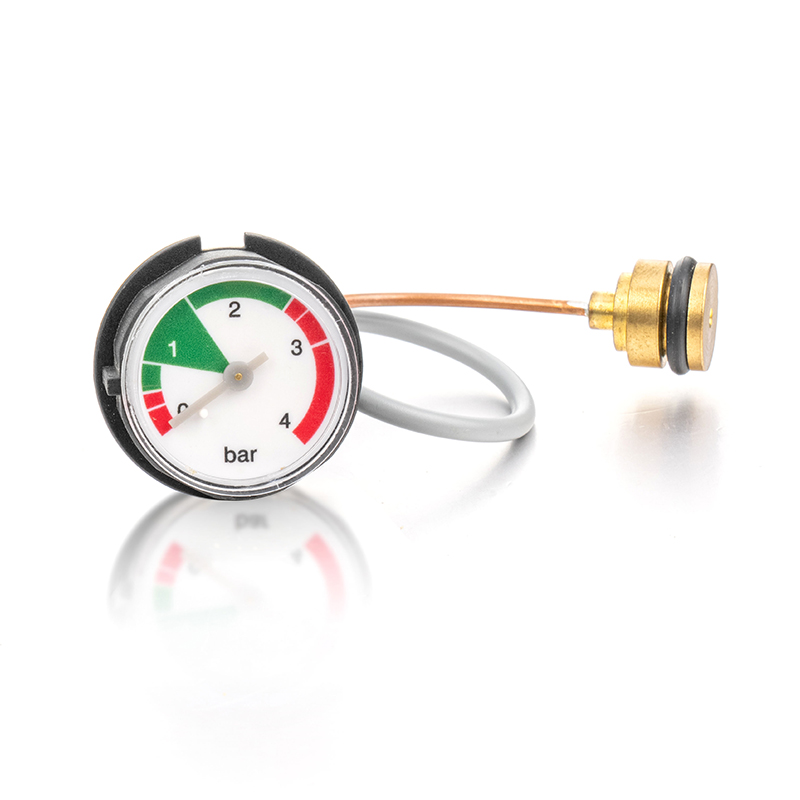
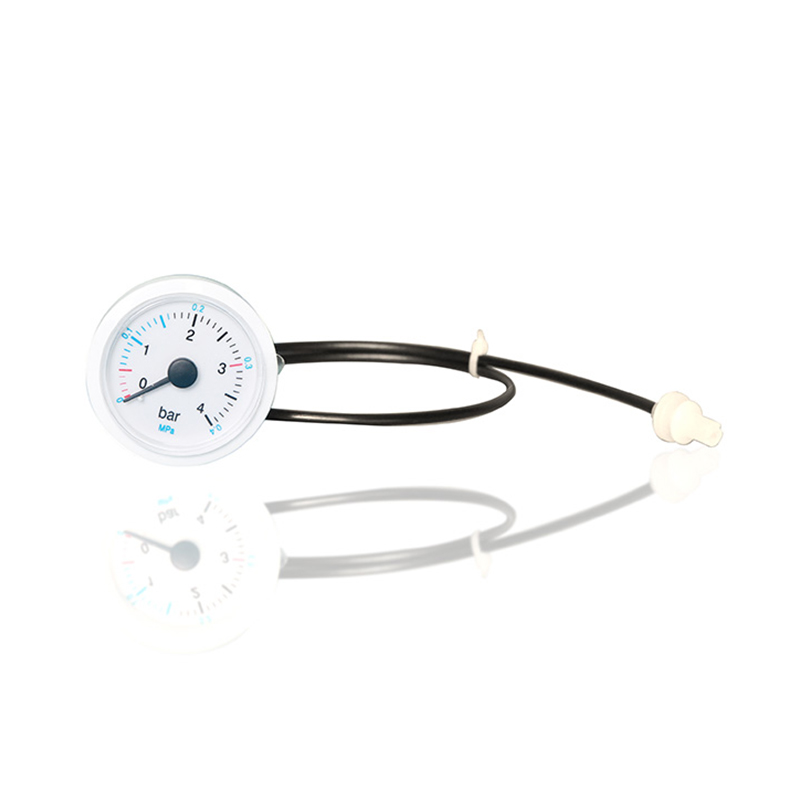
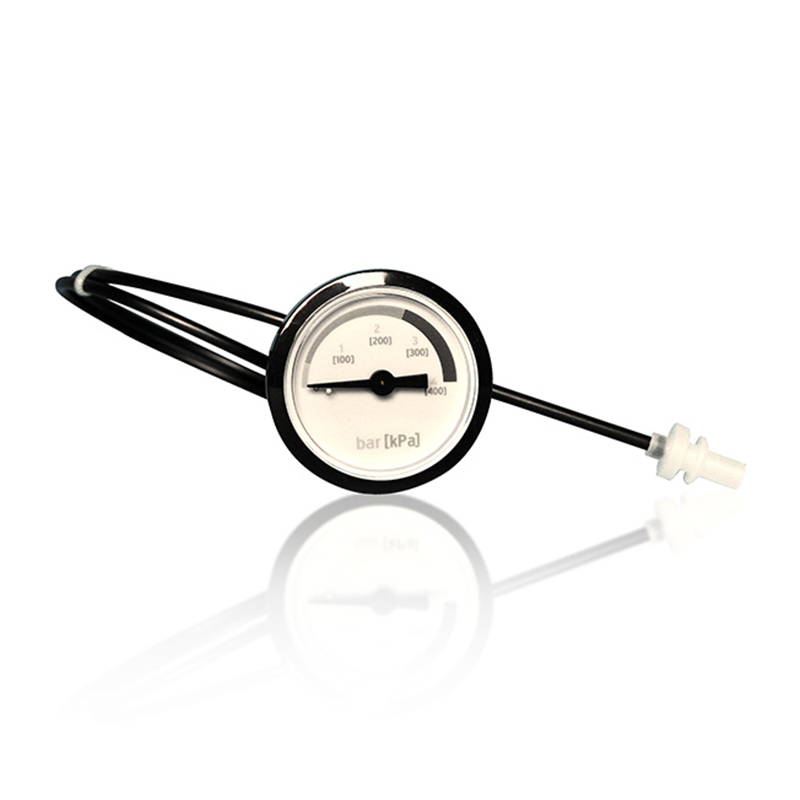
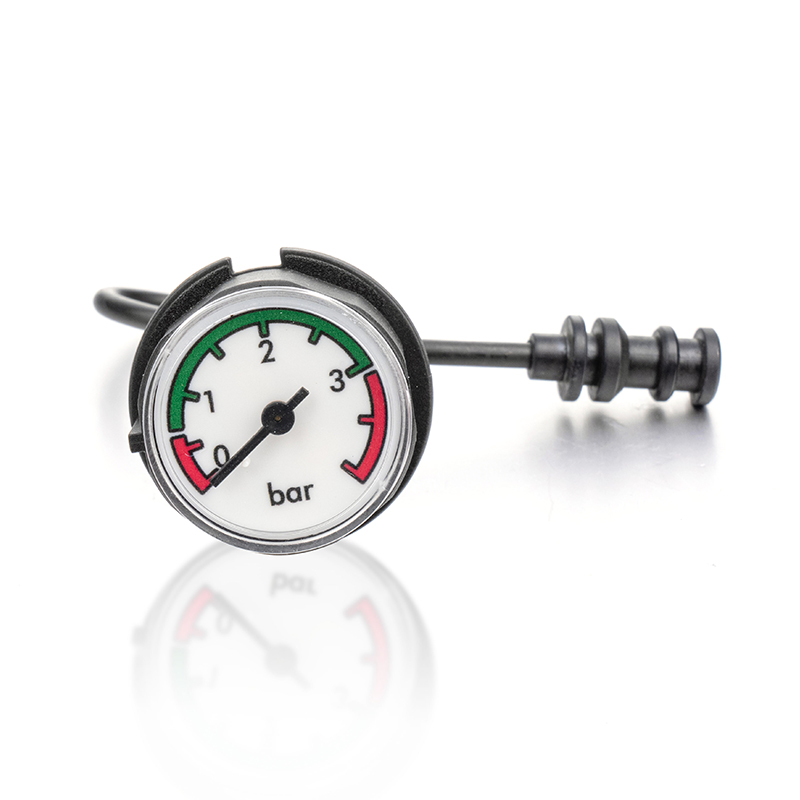
In petrochemical processing systems, the Petrochemical PP Diaphragm Pressure Gauge is widely used for pressure measurement in corrosive, viscous, or crystallizing media. Installation orientation has a direct impact on diaphragm loading conditions, medium behavior at the measuring interface, measurement accuracy, and long-term service life. Horizontal and vertical installations are both technically acceptable when applied under appropriate operating conditions.
A PP diaphragm pressure gauge uses a polypropylene diaphragm to isolate process media from the internal measuring mechanism. Pressure is transmitted through elastic deformation of the diaphragm surface. The uniformity of diaphragm stress and the condition of the process medium at the diaphragm interface are closely related to installation orientation.
Polypropylene has low density and excellent chemical resistance. Under different mounting directions, the static pressure distribution and gravitational effects of the process medium vary, making installation orientation an important engineering consideration.
Vertical installation is the most common configuration in petrochemical plants. The gauge dial faces upward, and the process connection is located at the bottom. This configuration is suitable for side or top pressure tapping points on pipelines and vessels.
In vertical installation, the process pressure is evenly applied to the diaphragm surface. The diaphragm deformation direction aligns with the design axis of the measuring system, contributing to stable pressure transmission.
For liquid media applications, vertical installation helps prevent gas pockets from accumulating in front of the diaphragm. Trapped gas can rise naturally through the process line, allowing the diaphragm chamber to remain fully filled with liquid.
Static liquid head effects are predictable, and zero-point stability remains consistent over long operating periods.
Petrochemical systems often involve strong acids and alkalis. Vertical installation reduces the likelihood of media deposition on the diaphragm surface. Cleaning and flushing operations are easier to perform, supporting diaphragm cleanliness and measurement reliability.
In certain reactors, columns, or skid-mounted systems, vertical installation space may be restricted. Horizontal mounting becomes a practical alternative, with the gauge connection oriented laterally and the dial facing sideways.
This configuration requires proper alignment between the diaphragm surface and the direction of process flow to avoid localized stress concentration.
Horizontal installation offers advantages when measuring high-viscosity fluids or media prone to crystallization. The parallel relationship between medium flow and diaphragm surface improves self-cleaning effects.
Solid buildup or crystallized deposits are less likely to accumulate at the center of the diaphragm, helping maintain measurement stability.
Horizontal installation is suitable when the gauge is installed close to the process connection. Short pressure transmission paths reduce response delay and minimize the influence of orientation-related pressure losses.
Vertical installation aligns diaphragm deformation with the designed measurement axis. Linearity and repeatability are generally superior, particularly in precision pressure monitoring applications.
Horizontal installation introduces lateral force components on the diaphragm. Well-designed diaphragm structures can compensate for these forces, but orientation-specific calibration may be required in high-accuracy systems.
Installation orientation changes may introduce zero offset. Factory calibration is typically performed in a vertical position, making on-site verification important for horizontal mounting.
Vertical mounting promotes uniform diaphragm loading and balanced material fatigue distribution. Long-term reliability is improved under steady operating conditions.
Horizontal mounting under fluctuating pressure conditions may lead to asymmetric diaphragm deformation. This can increase localized material fatigue unless diaphragm thickness and structural support are properly selected.
Polypropylene diaphragms exhibit good fatigue resistance under typical petrochemical conditions, but inappropriate installation orientation may reduce service life.
Vertical installation allows direct, front-facing dial visibility. Routine inspection and reading are efficient and convenient for operators.
Draining, flushing, and replacement operations are easier to perform. Maintenance personnel benefit from improved access and ergonomics.
Horizontal installation may restrict visibility and maintenance space in compact equipment layouts. Human factors and accessibility should be evaluated during system design.
Liquid process systems with continuous operation commonly use vertical installation for stable performance.
High-viscosity, solid-containing, or crystallizing media may benefit from horizontal installation under controlled conditions.
Outdoor installations require consideration of rainwater and dust exposure. Vertical mounting simplifies protective enclosure design.

+86-15105800222
+86-15105800333


Shuangtang Industrial Zone,Liuheng Town , Putuo District, Zhoushan City,Zhejiang Province,China
We will reply to you within 12 hours after receiving the inquiry on working days. Or, give us a call.
The information provided on this website is intended for use only in countries and jurisdictions outside of the People's Republic of China.
Copyright © Zhoushan Jiaerling Meter Co., Ltd. All Rights Reserved.
 Wholesale Pressure Gauge Factory
