 English
 中文简体
中文简体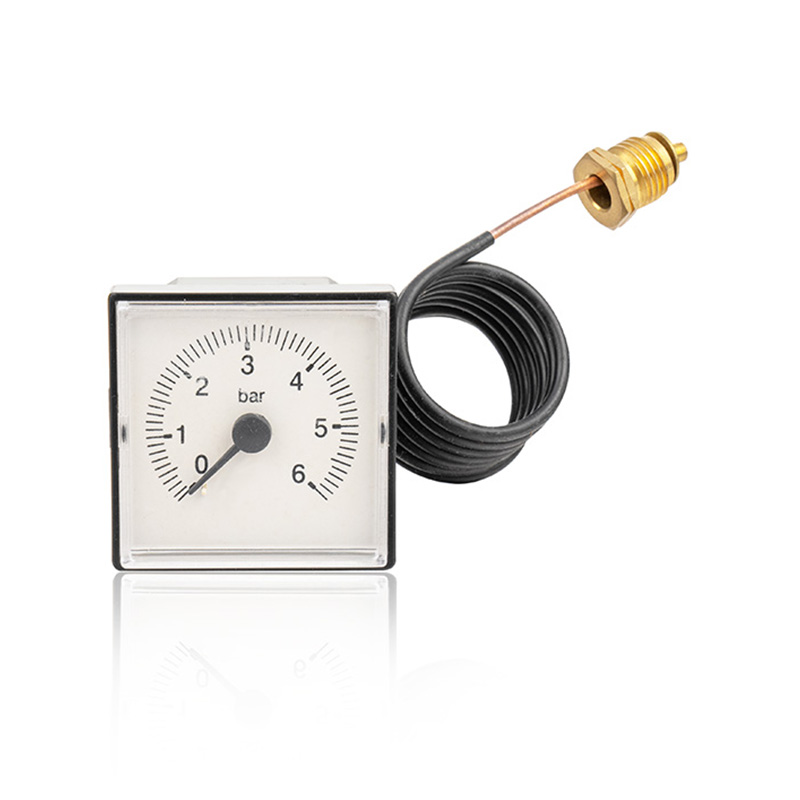

Call us
+86-15105800222
+86-15105800333


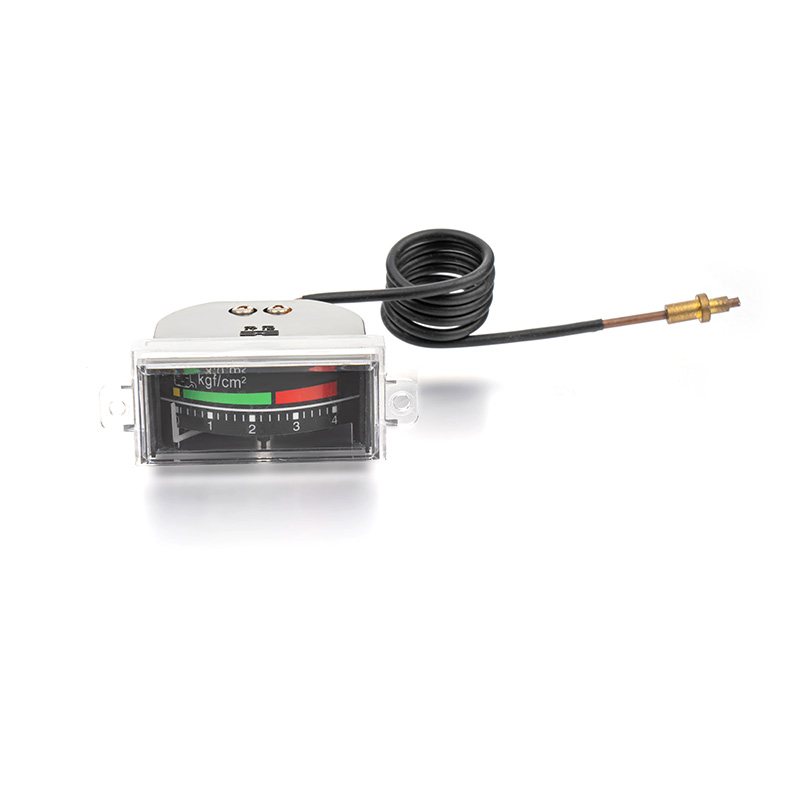
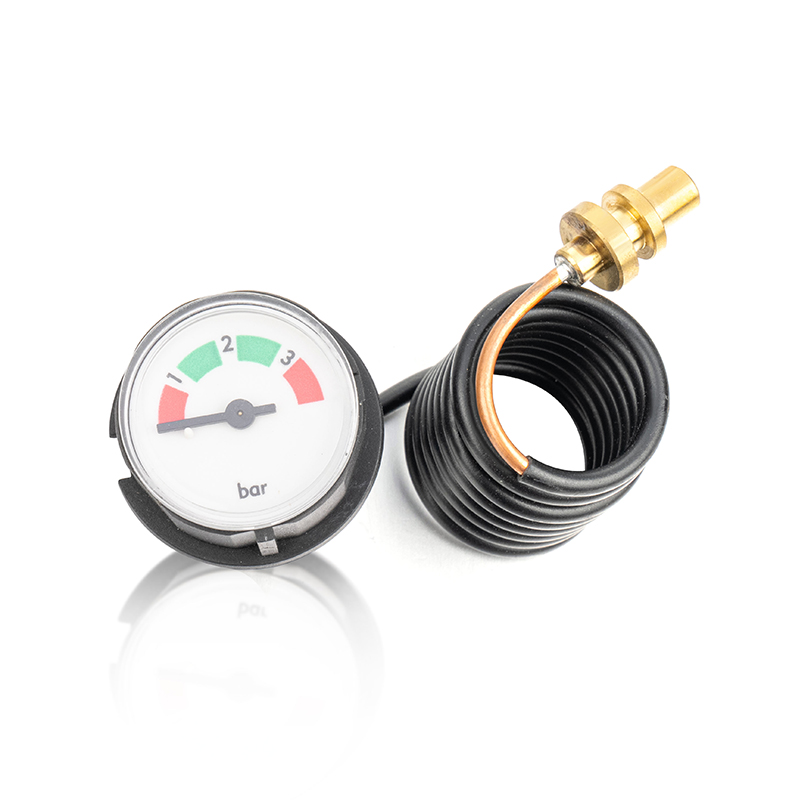
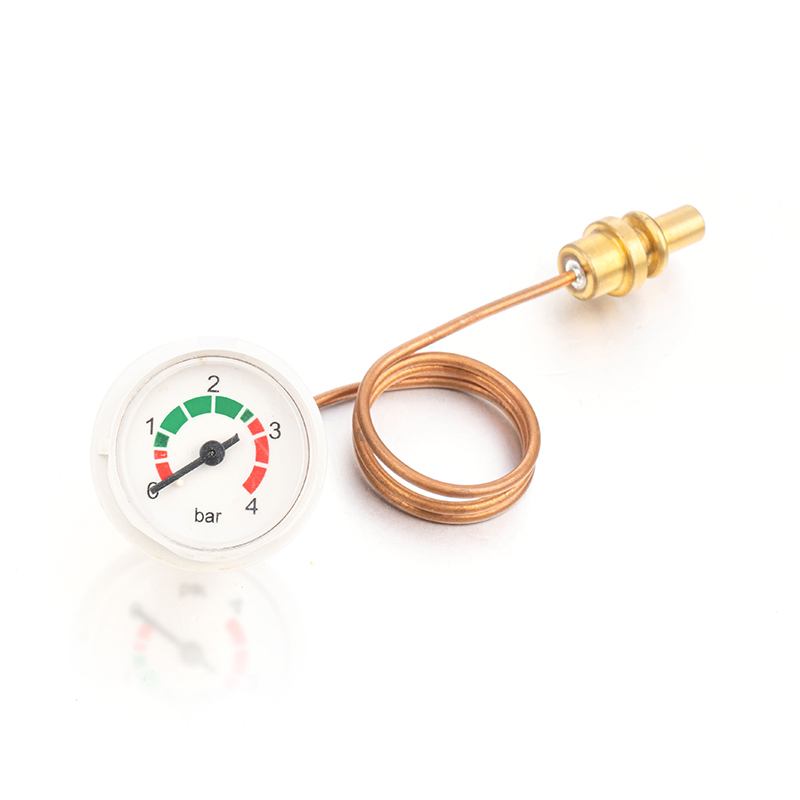
In modern refrigeration systems, pressure thermometers are fundamental measurement instruments that play a critical role in system monitoring and operation. Whether applied in commercial air conditioning, industrial chillers, cold storage facilities, or refrigerated transportation, refrigeration systems rely heavily on accurate pressure and temperature data. Pressure thermometers provide direct, reliable readings that support system stability, safety control, performance evaluation, and maintenance decisions.
Refrigeration systems function through continuous changes in refrigerant pressure and temperature during compression, condensation, expansion, and evaporation. Pressure thermometers installed at key points such as compressor suction and discharge lines, evaporator outlets, and condenser outlets allow operators to observe real-time operating conditions.
Suction pressure and corresponding temperature reflect system load and evaporator heat transfer performance. Discharge pressure and temperature indicate condenser efficiency and ambient heat rejection capability. Pressure thermometers provide immediate visual confirmation of whether the system is operating within design parameters.
Refrigerants undergo constant phase changes during system operation. Pressure thermometers with refrigerant-specific temperature scales allow technicians to determine refrigerant saturation conditions directly.
By comparing measured pressure with saturation temperature, operators can assess superheat and subcooling values. These parameters are essential indicators of refrigerant flow balance, expansion device performance, and compressor protection. Pressure thermometers provide a practical method for verifying refrigerant state without relying solely on electronic instrumentation.
During system installation or retrofit, commissioning accuracy has a direct impact on long-term performance. Pressure thermometers are indispensable tools during charging, adjustment, and functional testing.
While charging refrigerant, pressure readings help confirm correct refrigerant quantity. During expansion valve adjustment, pressure and temperature values assist in matching refrigerant flow to system load. Pressure thermometers enable technicians to fine-tune system parameters to achieve design operating conditions before full-scale operation.
Abnormal system behavior often manifests as changes in pressure and temperature values. Pressure thermometers serve as diagnostic indicators that help identify system faults at an early stage.
High condensing pressure may suggest insufficient heat dissipation, fouled condensers, or excessive refrigerant charge. Low evaporating pressure may indicate refrigerant shortage, flow restrictions, or evaporator inefficiency. Combined pressure and temperature readings can reveal compressor performance degradation or internal system contamination. Pressure thermometers support fast and informed maintenance decisions.
Refrigeration systems operate under high pressure and temperature conditions that require constant safety oversight. Pressure thermometers contribute to risk prevention by providing continuous pressure awareness.
Monitoring high-side pressure helps prevent overpressure situations that could damage equipment or trigger safety devices. Temperature readings assist in preventing freezing, excessive superheat, or thermal stress on system components. Mechanical pressure thermometers maintain functionality even during power outages, offering a reliable safety reference under emergency conditions.
System energy consumption is closely linked to pressure and temperature balance. Pressure thermometers provide essential data for evaluating operating efficiency.
Excessively low evaporating temperatures or elevated condensing temperatures increase compressor workload and energy use. Stable pressure-temperature relationships indicate efficient heat transfer and optimized system operation. Pressure thermometers help operators identify deviations from optimal efficiency ranges and support operational optimization strategies.
Pressure thermometers are widely used across various refrigeration environments due to their simple construction and high durability. Applications include cold rooms, supermarket refrigeration, industrial cooling processes, and transport refrigeration systems.
Their resistance to vibration, humidity, and temperature fluctuations makes them suitable for harsh operating conditions. On-site personnel benefit from immediate, easy-to-read measurements without the need for complex electronic interfaces.

+86-15105800222
+86-15105800333


Shuangtang Industrial Zone,Liuheng Town , Putuo District, Zhoushan City,Zhejiang Province,China
We will reply to you within 12 hours after receiving the inquiry on working days. Or, give us a call.
The information provided on this website is intended for use only in countries and jurisdictions outside of the People's Republic of China.
Copyright © Zhoushan Jiaerling Meter Co., Ltd. All Rights Reserved.
 Wholesale Pressure Gauge Factory
