 English
 中文简体
中文简体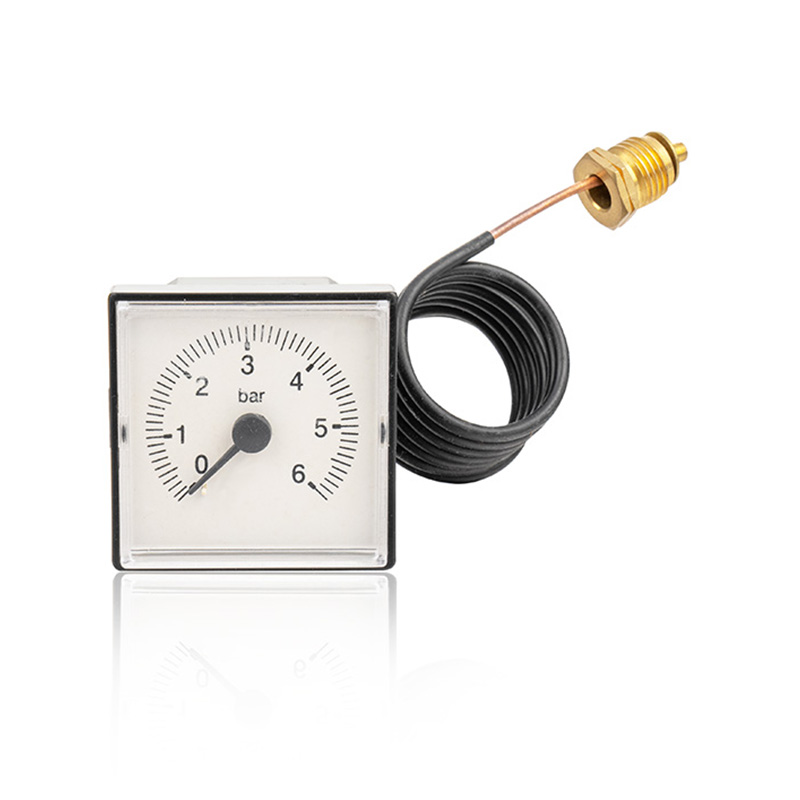

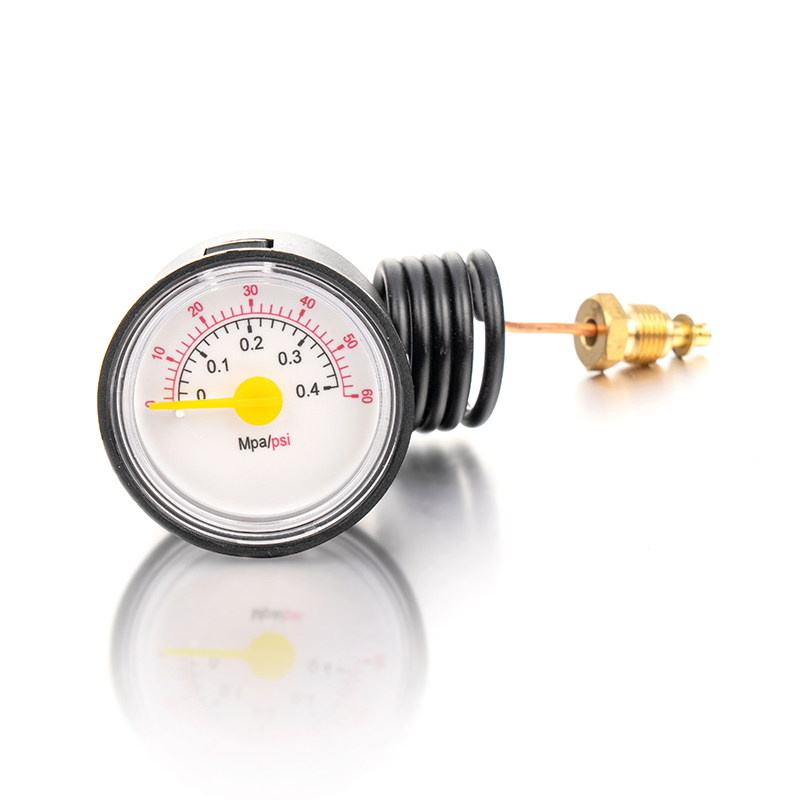
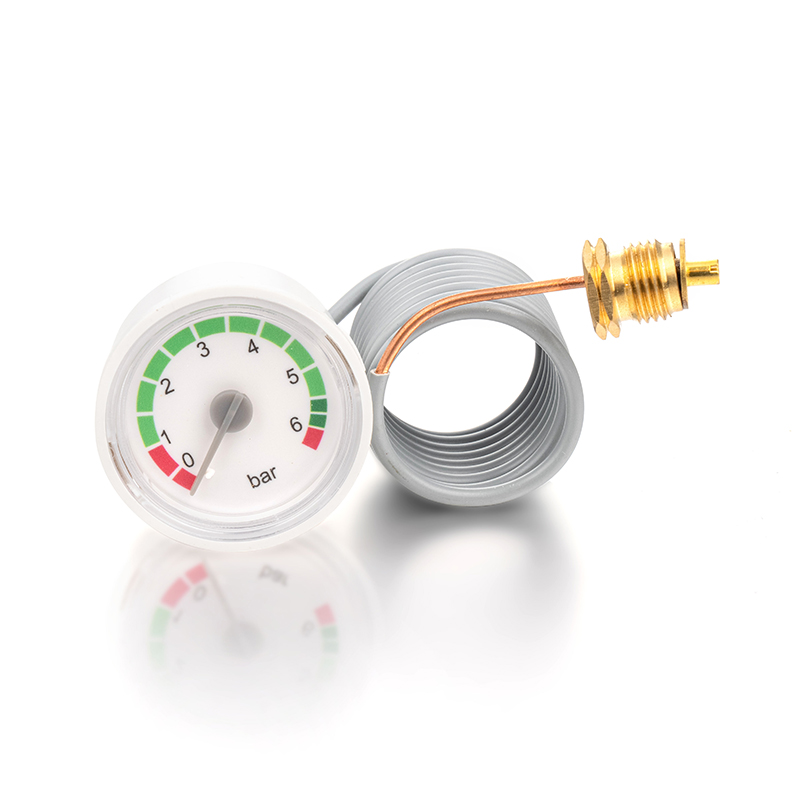
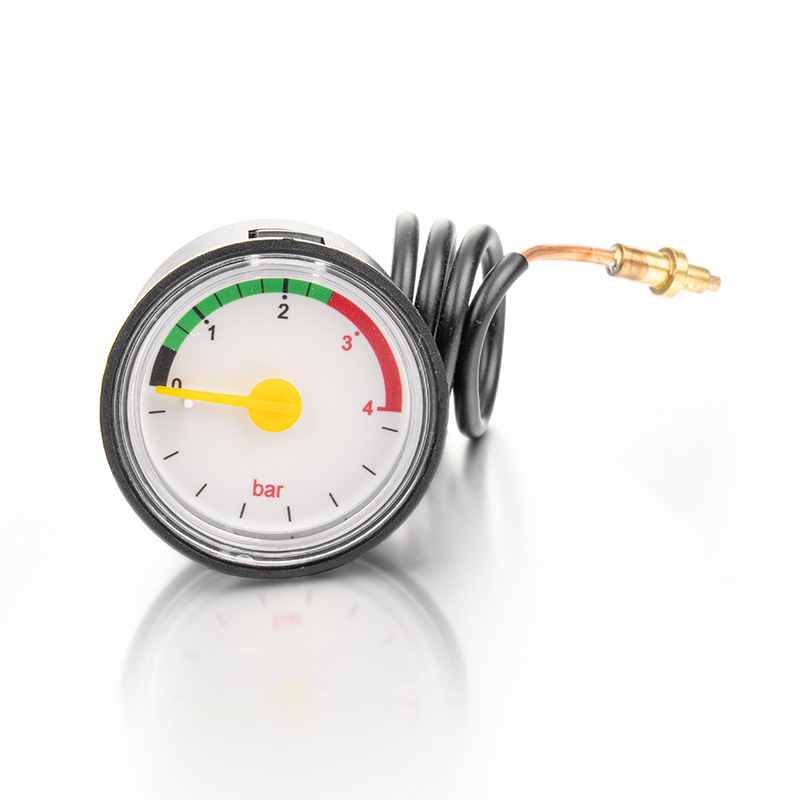
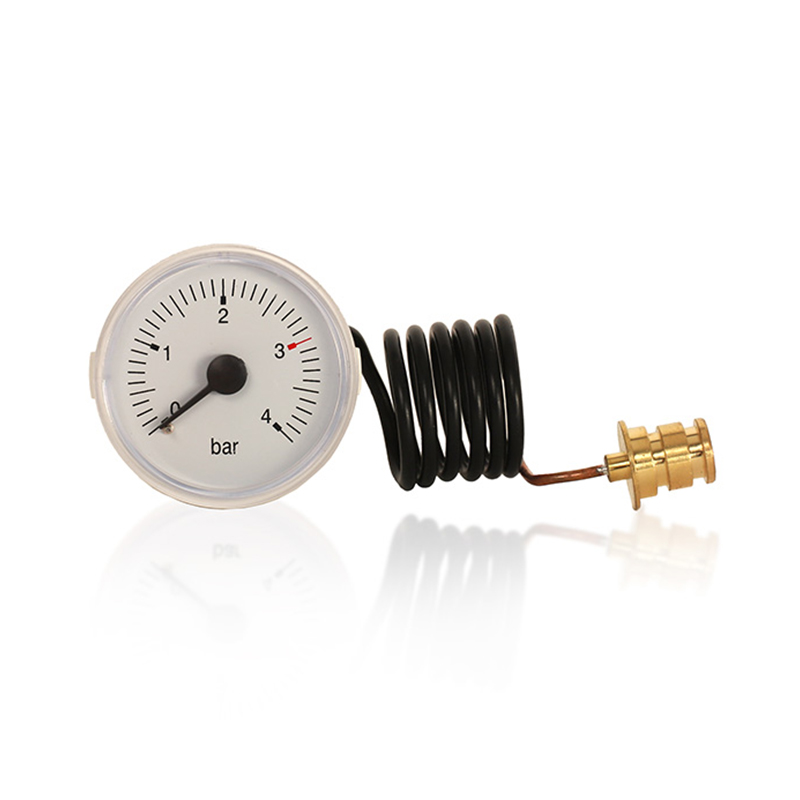
Call us
+86-15105800222
+86-15105800333


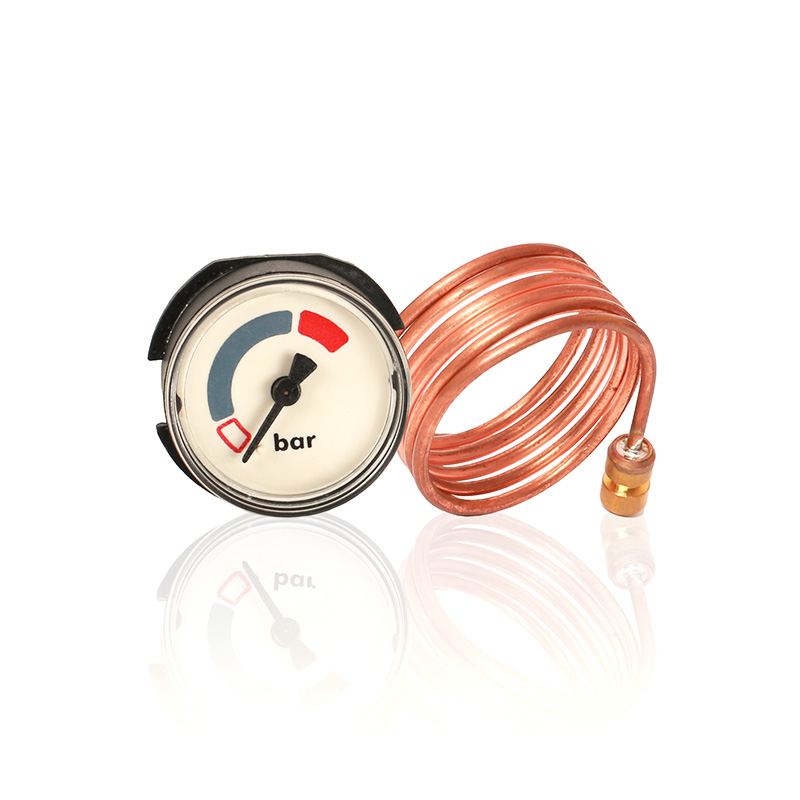
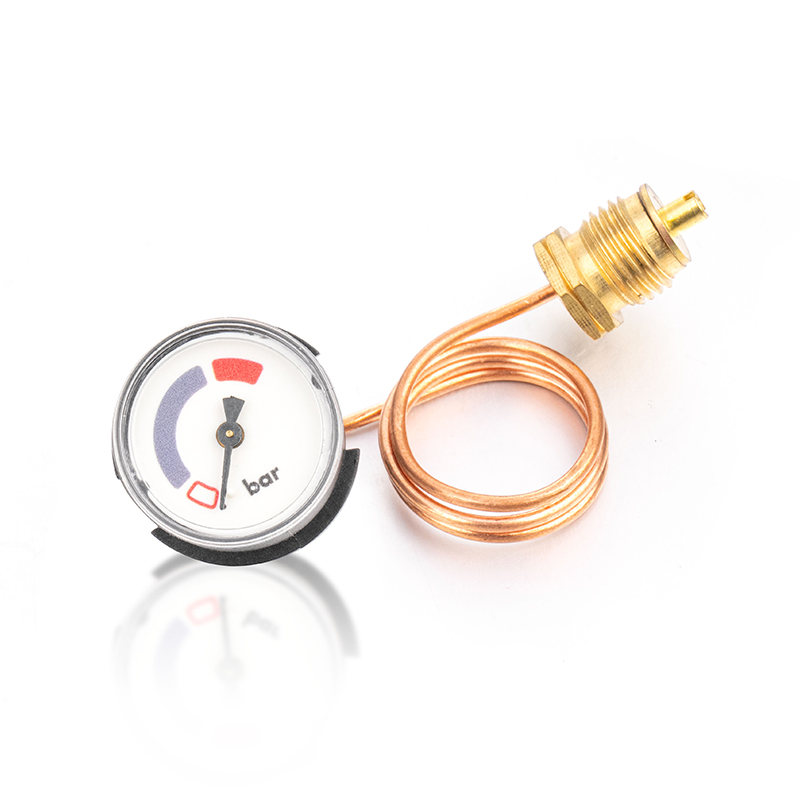
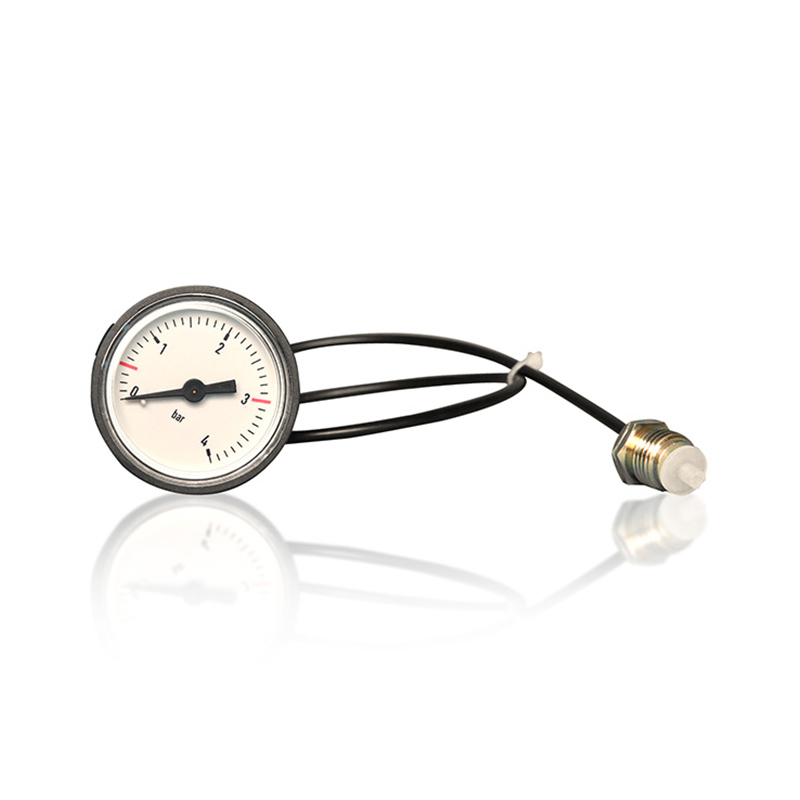
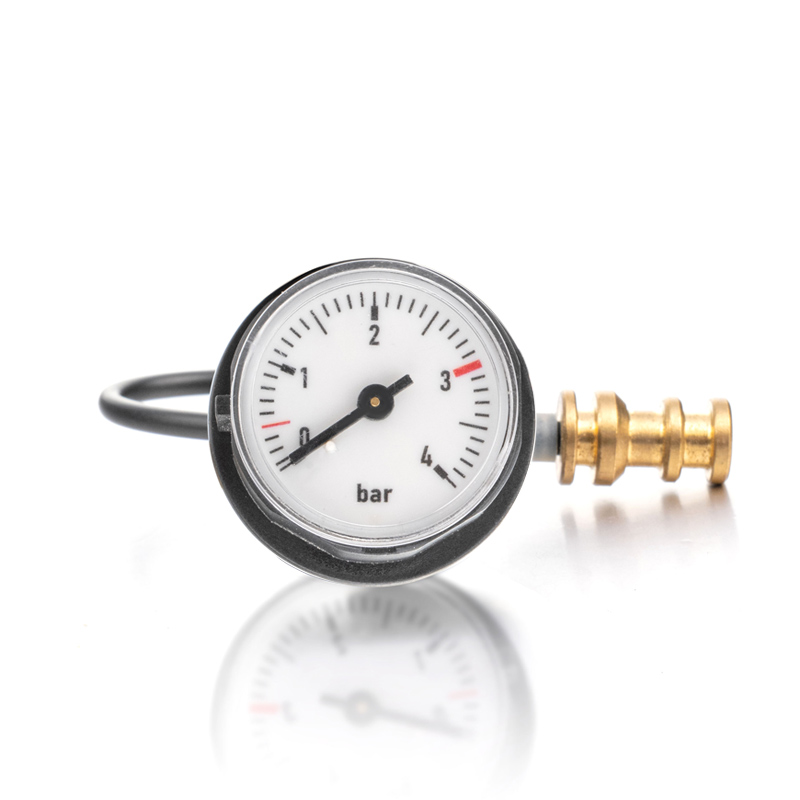
In modern industrial civilization, pressure is one of the three basic physical parameters alongside temperature and flow. The pressure gauge, a precision instrument that converts invisible physical force into a visual reading, is often described as the "eyes" of a process.
The fundamental definition of a pressure gauge is an instrument that utilizes elastic elements (such as Bourdon tubes, diaphragms, or bellows) to produce elastic deformation under pressure. This deformation is then transmitted to a pointer by an internal movement mechanism, indicating the pressure value on a dial. Its existence is not merely for displaying numbers; it carries three core missions:
From early mechanical analog displays to today's digital displays integrated with sensor technology, the evolution of the pressure gauge reflects the rise of industrial precision, yet its status as a system safety sentinel remains unchanged.
Understanding the internal mechanism of a pressure gauge is the foundation for selection and use. Depending on the measurement environment, the working principles are mainly categorized as follows:
This is the most widely used type of mechanical pressure gauge. Its core is a C-shaped, spiral, or coiled flat metal tube.
For media with high viscosity, easy crystallization, or strong corrosiveness, traditional Bourdon tubes are easily blocked or damaged. In these cases, a diaphragm pressure gauge must be used.
For hygiene (such as in the food industry) or corrosion protection, a diaphragm seal filled with a transmission fluid like silicone oil is installed at the bottom of the pressure gauge to completely isolate the internal instrument from the process media.
These utilize piezoresistive or capacitive sensors to convert pressure signals into electrical signals.
The pressure gauge is found in every corner of the world, from deep-sea diving equipment to aircraft in the stratosphere.
Choosing the wrong pressure gauge can lead to incorrect readings or even instrument rupture. The following key parameters must be considered:
| Characteristic | Mechanical Pressure Gauge | Digital Pressure Gauge |
| Accuracy Class | Typically 1.0% to 2.5% FS | Up to 0.05% to 0.2% FS |
| Power Requirement | None (driven by physical deformation) | Requires battery or external power |
| Environmental Adaptation | Excellent, strong temperature resistance | Limited by electronics; watch for drift |
| Vibration Resistance | Poor (unless liquid-filled) | Excellent, no mechanical wear |
| Functional Expansion | Limited to visual reading | Data logging, max value lock, alarms |
| Maintenance Cost | Low, requires regular calibration | Check battery and sensor aging |
Range Selection: The normal operating pressure of a pressure gauge should be between 1/3 and 2/3 of the full scale. Long-term operation at full load leads to rapid fatigue of the elastic element.
Wetted Materials: For common water and air, copper alloys are sufficient; for acidic or alkaline corrosive media, a pressure gauge made of 316L stainless steel must be selected.
Ambient Temperature: Excessive ambient temperature changes the metal's elastic modulus, causing pointer offset. Extreme environments require siphons/condensing tubes.
Dial Size: For long-distance viewing, select 100mm or 150mm dials; for close-up observation, 40mm or 60mm is suitable.
Installing a pressure gauge is more than just tightening a thread.
The Necessity of Calibration: Over time, the elastic element of a pressure gauge undergoes residual deformation. It is recommended that industrial-grade pressure gauges be cross-calibrated at least once a year using a deadweight tester or a high-precision master gauge.
A well-maintained pressure gauge can have a service life of over 10 years.
Understanding the internal structure of a pressure gauge helps in making the most durable choice for specific conditions. A high-quality mechanical pressure gauge consists of five core components:
| Component | Copper Alloy (Brass/Bronze) | Stainless Steel 316 | Monel Alloy |
| Applicable Media | Air, water, hydraulic oil | Steam, acids/bases, solvents | Hydrofluoric acid, seawater |
| Cost | Low | Medium | High |
| Oxidation Resistance | Fair (prone to verdigris) | Excellent | Superior |
| Max Temperature | Limited to 60°C | Up to 200°C | High thermal stability |
In industry, the accuracy of a pressure gauge is defined by international standards (such as ASME B40.100 or EN 837-1).
| Accuracy Grade | Typical Application | Calibration Cycle |
| 0.1 / 0.25 | Lab standards, calibration equipment | Every 3-6 months |
| 0.5 / 1.0 | Critical processes, boiler monitoring | Every 12 months |
| 1.6 / 2.5 | General pumps, pneumatic tools | As needed (1-2 years) |
Standard pressure gauge models cannot meet all complex environments, so specific configurations are needed to enhance reliability.
At outlets of reciprocating compressors or pump stations, severe vibration can cause the pointer of a standard pressure gauge to wear out or fall off.
In pharmaceutical and food industries, the pressure gauge must comply with EHEDG or 3A standards.
The height of the installation position of a pressure gauge can sometimes produce significant errors, known as "static head error."
When dealing with extreme media (such as strong acids, high-viscosity fluids, or high-temperature steam), direct measurement is often insufficient.
In this structure, the pressure gauge is physically isolated from the media by a flexible metal diaphragm. The space between the diaphragm and the internal element is filled with a system fill fluid (usually silicone oil or glycerin).
| Fill Fluid Type | Temperature Range | Primary Application |
| Glycerin | -20°C to +60°C | General industry, anti-vibration |
| Silicone Oil | -40°C to +200°C | Extreme temperatures, outdoors |
| Vegetable Oil | -10°C to +150°C | Food and Beverage processing |
| Fluorocarbon | -40°C to +180°C | Oxidizers, chlorine, or oxygen |
The installation interface specification is the most error-prone part of pressure gauge selection.
| Specification | Common Label | Sealing Method | Typical Region |
| NPT 1/4 | 1/4" NPT | Thread interference (needs tape) | North America, Oil and Gas |
| G 1/2 | G 1/2A (ISO 228) | Parallel thread (needs gasket) | Europe, General Hydraulics |
| M20x1.5 | M20x1.5 | Bottom gasket or O-ring | China, Industrial Vessels |
In high-pressure or hazardous chemical environments, the safety of the pressure gauge itself is paramount.
That is usually glycerin or silicone oil. This liquid-filled pressure gauge uses the viscosity of the liquid to provide damping, suppressing pointer vibration in high-vibration environments while lubricating internal gears to extend life.
A pressure gauge typically measures gauge pressure, which uses the local atmospheric pressure as the zero point. Absolute pressure uses a perfect vacuum as the zero point. Formula: Absolute Pressure = Gauge Pressure + Atmospheric Pressure.
The simplest way is to observe if the pointer returns exactly to zero when the system is depressurized. If it deviates beyond the accuracy range or jumps inconsistently during pressurization, the pressure gauge needs repair or replacement.
No Oil! Oxygen under high pressure reacts violently with oil and can explode. An oxygen-specific pressure gauge will have a clear red "No Oil" mark and undergoes strict degreasing during assembly.
This is called a "siphon" or "condensing pipe." Its purpose is to allow steam to cool and condense into water inside the loop. The condensate acts as a barrier, preventing high-temperature steam from directly entering the pressure gauge and damaging the internal elements.
"WOG" stands for Water, Oil, Gas. It means the pressure gauge can be safely used to measure the pressure of water, oil, or non-corrosive gases.
This is called a "safety margin." If your working pressure is 50 psi, choosing a 100 psi pressure gauge ensures the pointer stays near the 12 o'clock position (easiest to read) and prevents damage to the pressure gauge from minor pressure surges.
Not all of them. In areas with flammable gases, you must select a digital pressure gauge with an Intrinsically Safe (IS) rating. Mechanical gauges have a natural advantage as they contain no circuitry.
This is usually due to three reasons: 1. Worn or dusty internal gears; 2. Media crystallization blocking the port; 3. Severe pressure pulses causing the gears to dislodge. For such a pressure gauge, repair is not recommended; it should be replaced.
Usually high. Metal elastic elements become "softer" as their elastic modulus decreases at high temperatures. In the same pressure, they produce more displacement, causing the pressure gauge to display a reading higher than the actual pressure.
This is a common misconception. Most pressure gauges are rated for Full Scale Accuracy. If you use a 100 bar gauge with 1% accuracy to measure 10 bar, the error is still plus or minus 1 bar. This means at 10 bar, your relative error is 10%. Always choose a pressure gauge range so your working point is in the middle of the scale.

+86-15105800222
+86-15105800333


Shuangtang Industrial Zone,Liuheng Town , Putuo District, Zhoushan City,Zhejiang Province,China
We will reply to you within 12 hours after receiving the inquiry on working days. Or, give us a call.
The information provided on this website is intended for use only in countries and jurisdictions outside of the People's Republic of China.
Copyright © Zhoushan Jiaerling Meter Co., Ltd. All Rights Reserved.
 Wholesale Pressure Gauge Factory
