 English
 中文简体
中文简体

Call us
+86-15105800222
+86-15105800333


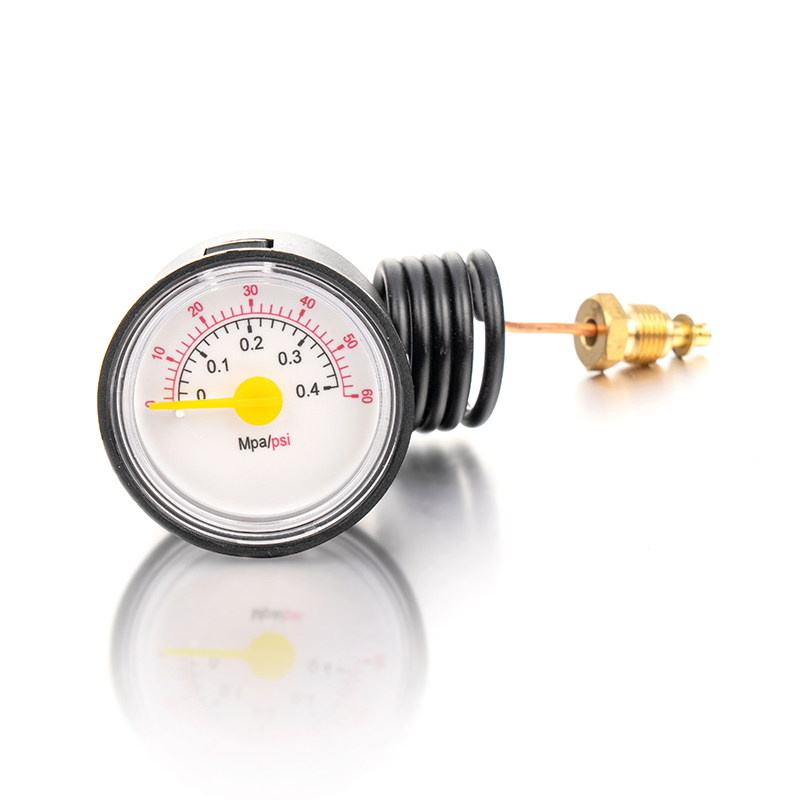
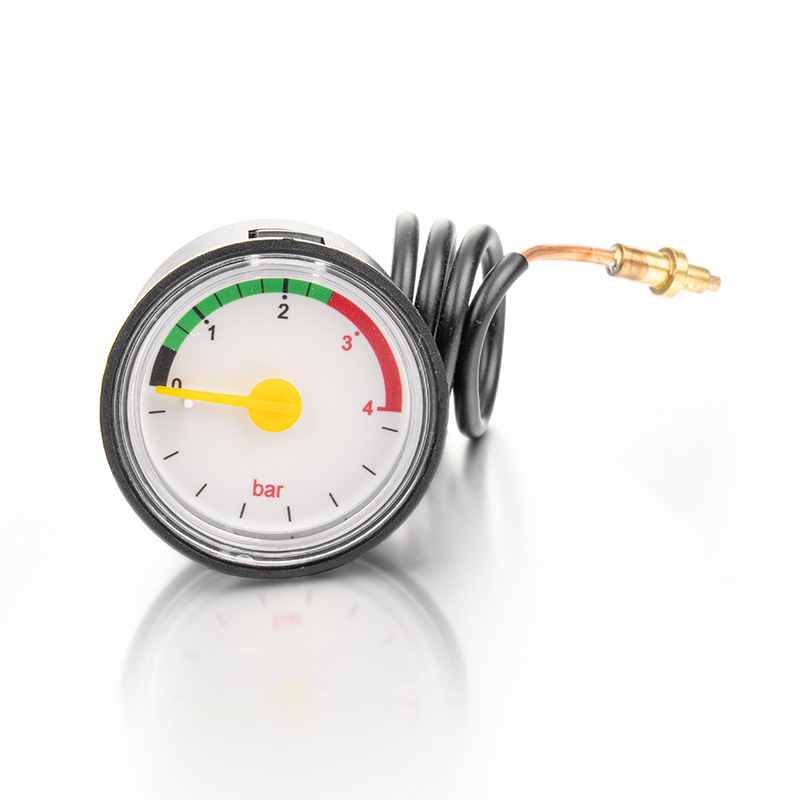
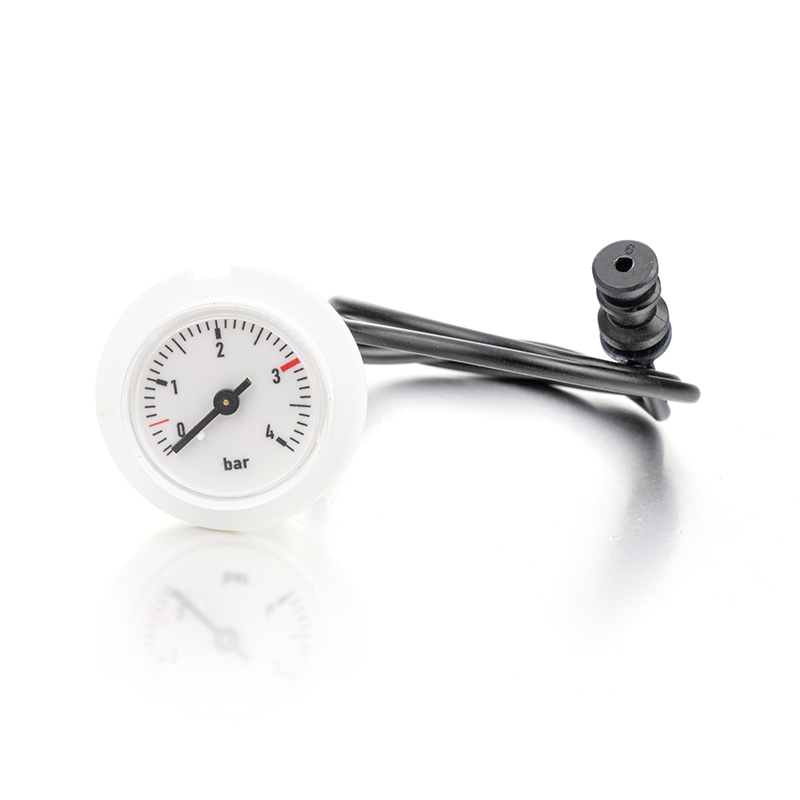
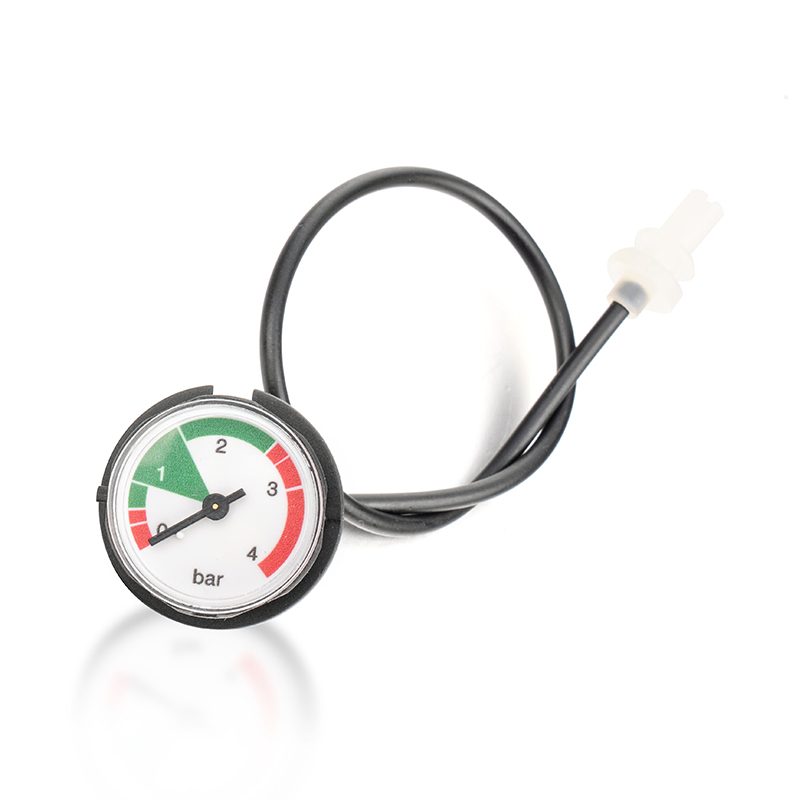
In the field of precision industrial measurement, selecting the correct pressure instrumentation is critical for system safety and operational stability. While Bourdon Tube pressure gauges dominate much of the global mechanical pressure measurement market, Diaphragm Pressure Gauge technology offers indispensable advantages for extreme conditions, high-viscosity media, and micro-pressure measurements.
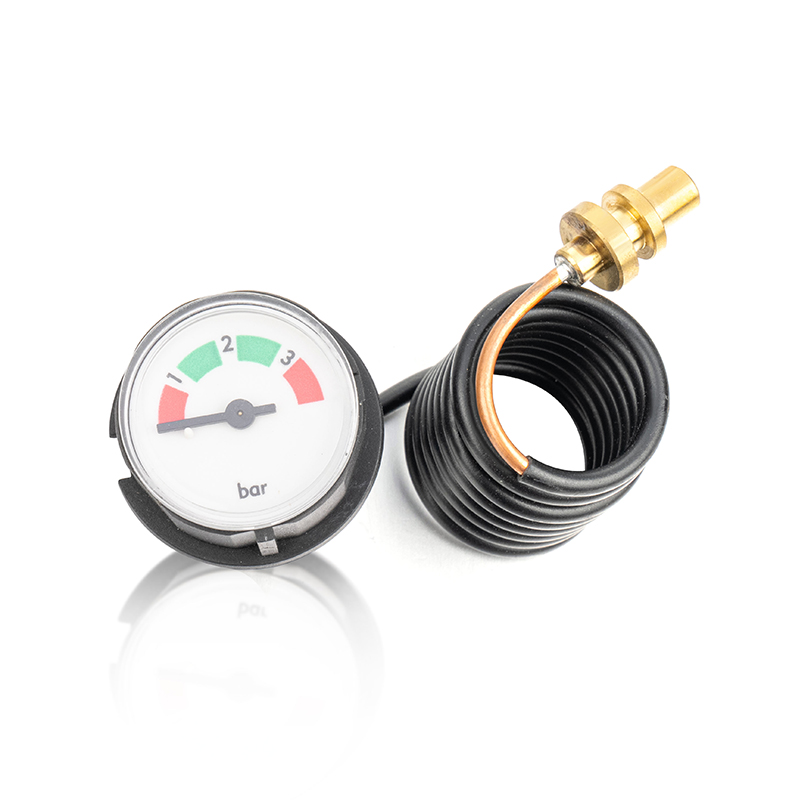
The core of a Bourdon Tube is a flattened metal tube shaped into a C-shape, helical, or spiral form. When the pressure medium enters the tube, the tube tends to straighten due to its elastic properties. This physical displacement is converted into a pointer reading via a Movement mechanism. Its simple structure and mature technology make it the standard choice for general industrial scenarios.
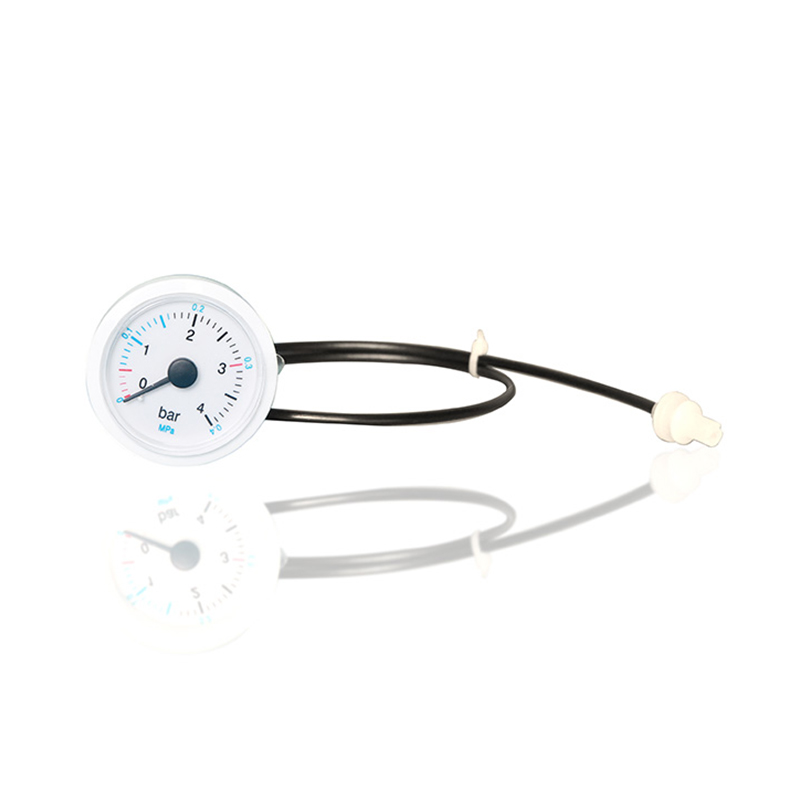
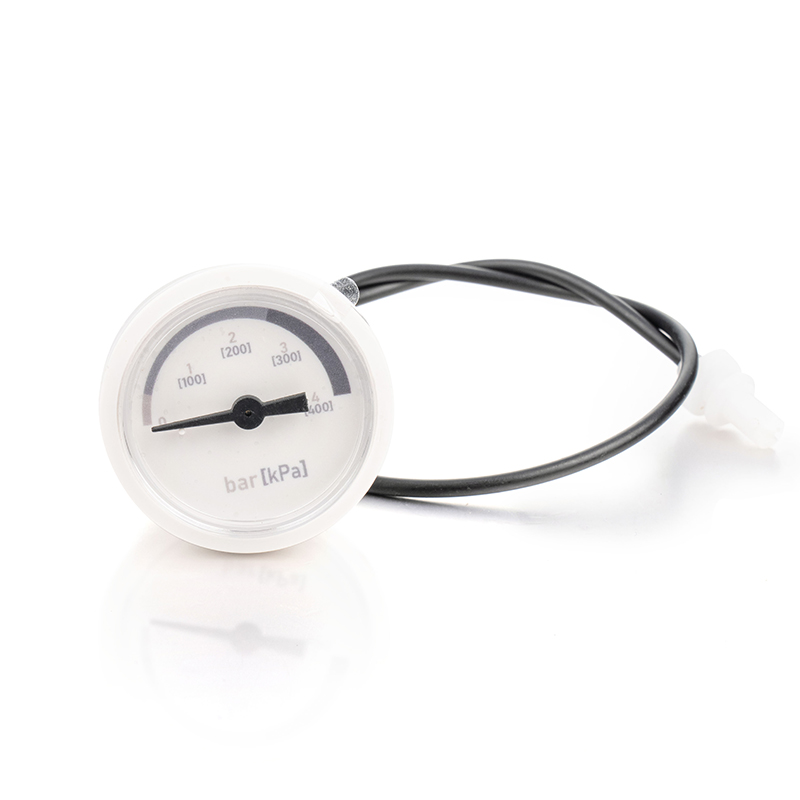
In contrast, a Diaphragm Pressure Gauge utilizes a corrugated elastic diaphragm as the sensing element. The diaphragm is clamped between two flanges. Pressure applied to one side causes a slight displacement, which drives the pointer through a linkage system. This design completely isolates the measuring medium from the internal mechanism, providing superior resistance to corrosion and clogging.
Regarding range coverage, the two technologies complement each other based on physical limitations:
Bourdon Tube: Due to the inherent stiffness of the metal tube, it struggles to measure extremely low pressures. Typically, the minimum range for a standard Bourdon tube gauge is approximately 600 mbar.
Diaphragm: Because of the large surface area and high sensitivity of the diaphragm, a Diaphragm Pressure Gauge can accurately measure pressures as low as 16 mbar. For industries requiring high-precision micro-pressure monitoring, such as ventilation systems and gas leakage detection, the diaphragm gauge is the only reliable mechanical solution.
This is where the Diaphragm Pressure Gauge excels. In sectors like petrochemicals, pharmaceuticals, and food processing, operators frequently encounter high-viscosity, crystallizing, or particle-laden media.
Anti-clogging Performance: The internal passage of a Bourdon Tube is narrow and long. Viscous media like asphalt or polymers, or solid particles, can easily block the tube, leading to gauge failure. Diaphragm gauges often feature open flange connections where the medium does not enter the gauge internals, completely eliminating the risk of clogging.
Material Compatibility: To handle highly corrosive media such as H2S, strong acids, or alkalis, the diaphragm can be easily coated with PTFE or manufactured from exotic materials like Hastelloy or Monel. While Bourdon tubes can also be made from different materials, the manufacturing process is more complex and significantly more expensive for specialized alloys.
In systems with frequent pressure surges, Overload Protection is a key metric for instrument lifespan.
Bourdon Tube gauges have limited resistance to overpressure, usually tolerating only about 1.3 times the full-scale value. Exceeding this causes permanent plastic deformation of the tube. However, the Diaphragm Pressure Gauge benefits from a natural physical support structure. When pressure exceeds the limit, the diaphragm is pressed against the upper flange seat, which provides a high safety factor. Certain models can withstand 5 times or even 10 times the full-scale pressure without damaging the calibration accuracy.
For industrial procurement, the following logic is recommended:
| Application Criteria | Bourdon Tube Gauge | Diaphragm Pressure Gauge |
| Media State | Clean gas or low-viscosity liquid | Viscous, crystallizing, or contaminated |
| Corrosion Risk | Standard environments | Aggressive chemicals (PTFE/Alloy options) |
| Minimum Range | 600 mbar | 16 mbar |
| Overload Capacity | Low (Limited safety margin) | High (Excellent protection) |
| Cost Efficiency | Higher for standard use | Higher initial investment for specialty use |

+86-15105800222
+86-15105800333


Shuangtang Industrial Zone,Liuheng Town , Putuo District, Zhoushan City,Zhejiang Province,China
We will reply to you within 12 hours after receiving the inquiry on working days. Or, give us a call.
The information provided on this website is intended for use only in countries and jurisdictions outside of the People's Republic of China.
Copyright © Zhoushan Jiaerling Meter Co., Ltd. All Rights Reserved.
 Wholesale Pressure Gauge Factory
