 English
 中文简体
中文简体
Call us
+86-15105800222
+86-15105800333


In the field of industrial steam power systems and thermal engineering, the Mechanical Pressure Gauge is the most common monitoring tool. However, when faced with high-temperature steam conditions, the primary cause of instrument damage is not pressure overload, but thermal injury. To protect precision instruments and extend their service life, installing a Syphon is not just an industry standard—it is a core technical requirement to ensure production safety.
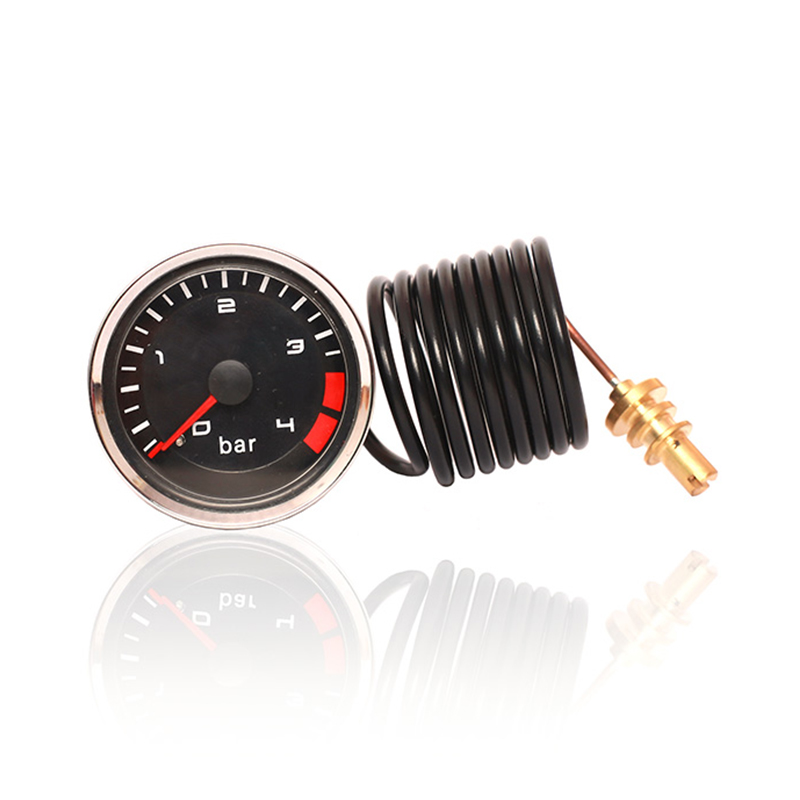
A Mechanical Pressure Gauge typically utilizes a Bourdon Tube as its core sensing element. The Bourdon tube senses pressure through the elastic deformation of metal. When high-temperature steam enters the tube directly, several negative impacts occur:
Material Softening: High temperatures cause the metal material of the Bourdon tube to soften, changing its modulus of elasticity. This leads directly to significant deviations in gauge readings, known as thermal drift.
Permanent Deformation: If the steam temperature exceeds the tempering temperature of the metal, the Bourdon tube will undergo irreversible plastic deformation, causing the pointer to fail to return to zero and rendering the gauge useless.
Solder Failure: Many industrial pressure gauge movements are connected to the socket using brazing. Continuous high-temperature steam can cause the solder points to melt or develop thermal fatigue cracks, leading to medium leakage.
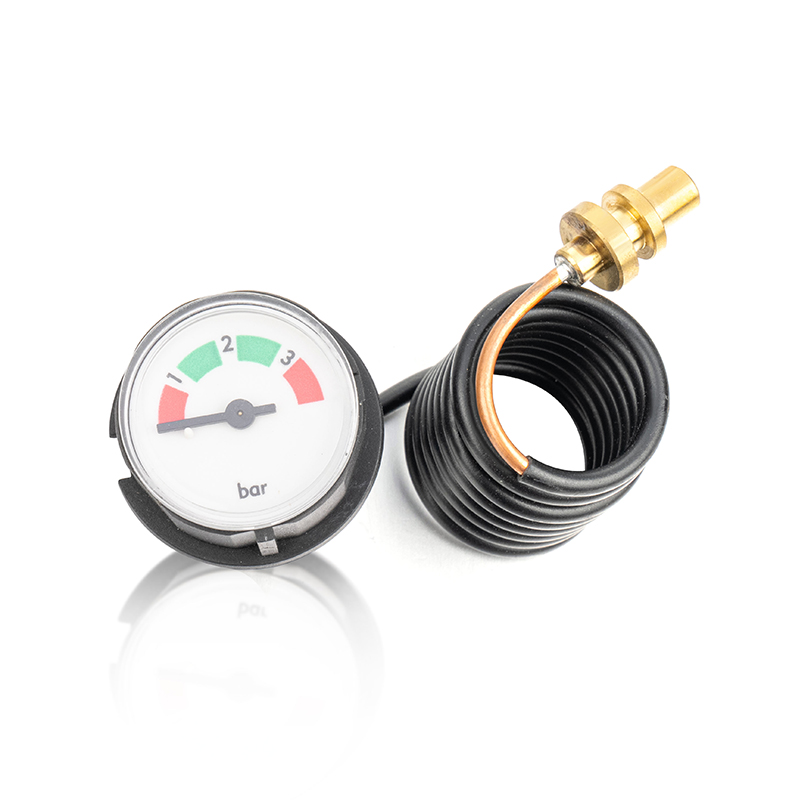
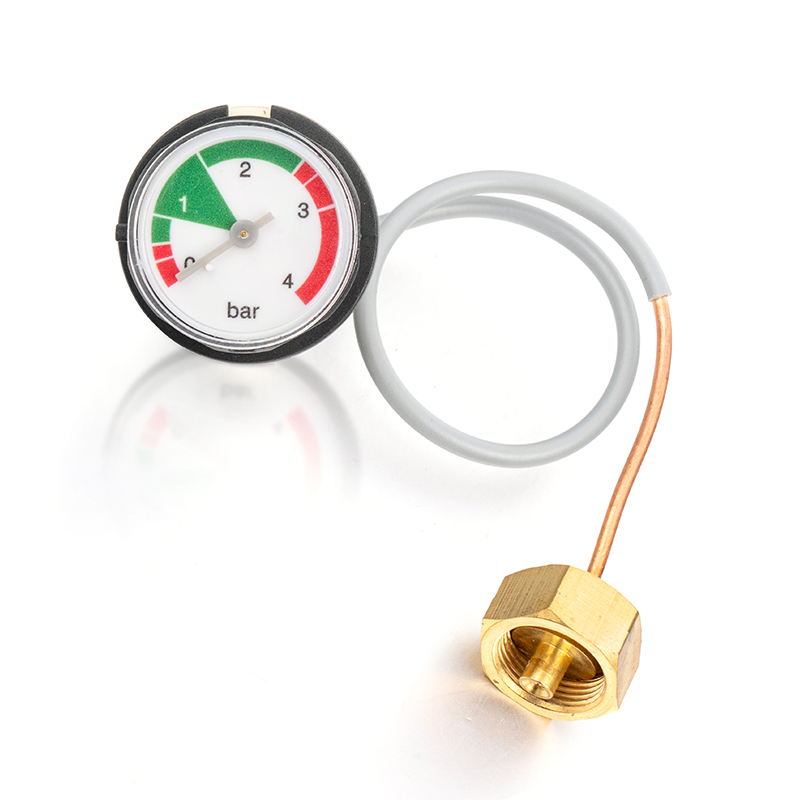
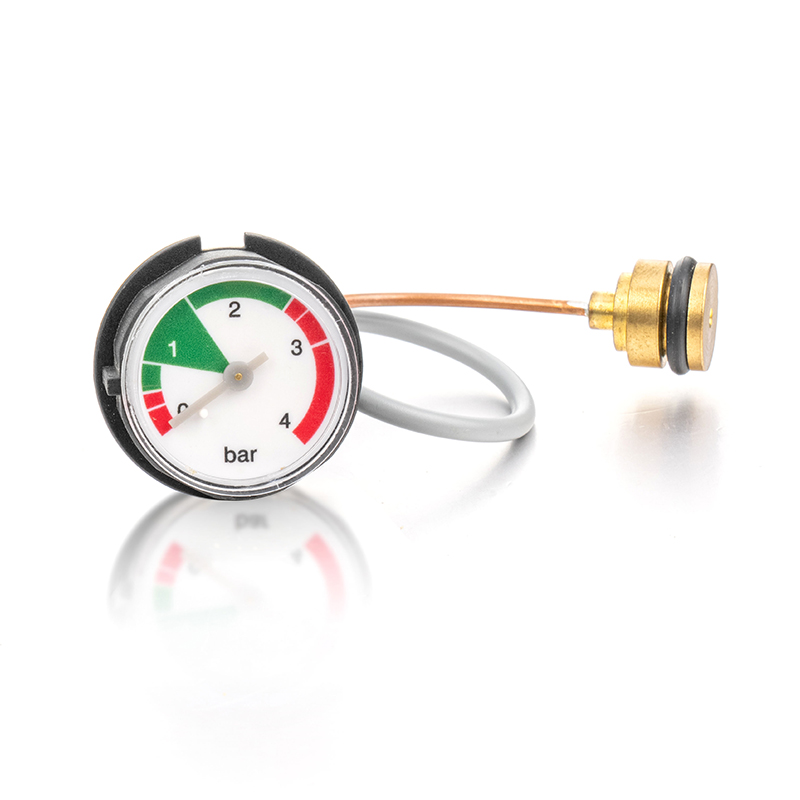
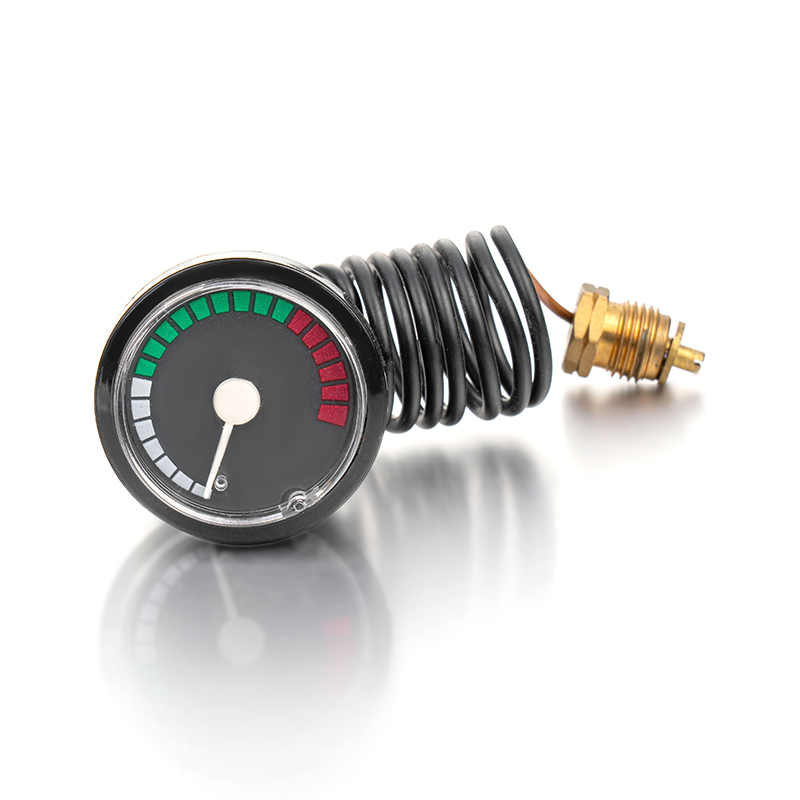
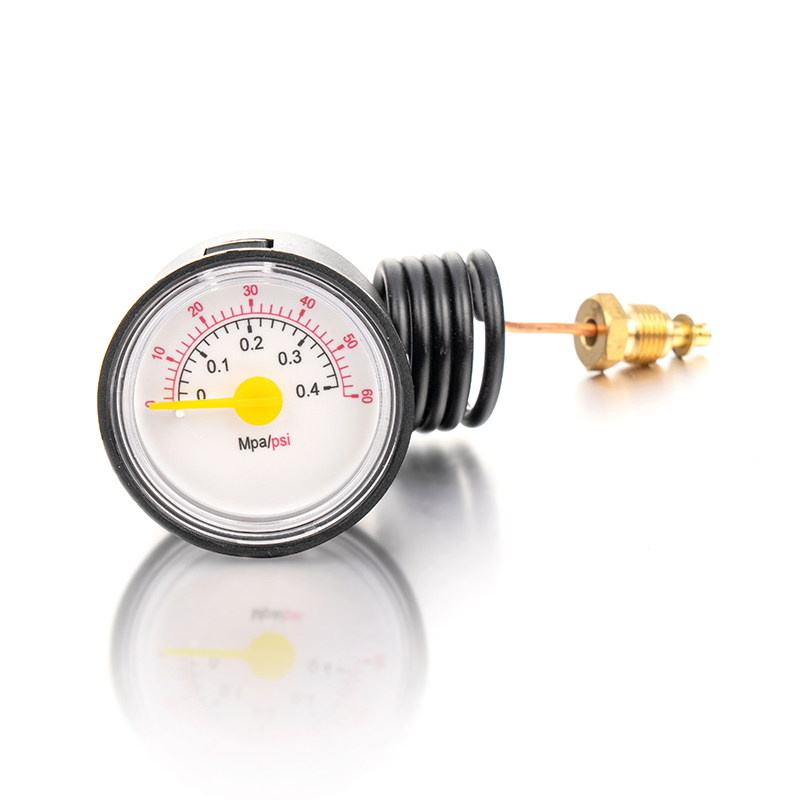
The Syphon, often referred to as a "pigtail" or "U-tube," functions as a highly efficient Heat Dissipator and isolation barrier.
When the steam system starts, a portion of the steam enters the curved section of the Syphon. Because this part of the piping is exposed to ambient air, the steam cools rapidly and condenses into water. This Condensate is trapped in the U-shaped or coiled portion of the tube.
Subsequent steam pressure is transmitted to the Mechanical Pressure Gauge through this layer of condensate. At this point, the part in contact with the gauge sensing element is the cooled water, not the high-temperature steam. This "water seal" mechanism successfully maintains the instrument's operating temperature within a safe range, effectively reducing hundreds of degrees Celsius to near-ambient temperature.
Beyond heat insulation, the Syphon provides a Damping Effect within the steam system. Steam systems are prone to instantaneous pressure fluctuations when valves are opened or closed. Because the Syphon is filled with condensate and features a curved structure, it can buffer these sudden Pressure Spikes, preventing the gauge pointer from suffering gear wear or detachment due to violent impact.
Depending on the installation space and piping layout, there are two common types of Syphon:
Pigtail Syphon: Ideal for vertical pipe installations. Its full circular design provides a larger surface area for heat dissipation, offering the best cooling effect.
U-Type Syphon: Suitable for horizontal pipe installations. It features a compact structure and uses the bottom of the U-bend to form the water seal.
When selecting a syphon, material compatibility is essential. For high-pressure steam systems, Seamless Steel Pipe or Stainless Steel materials are usually required to meet international pressure vessel standards such as ASME or DIN.
To ensure the Syphon provides its intended protection, one professional detail during installation is critical: the Syphon must be manually filled with water before the system is started for the first time.
If it is not pre-filled, the first wave of high-temperature steam will rush directly into the Mechanical Pressure Gauge, causing thermal damage before the condensate has a chance to form. This "dry firing" phenomenon is a major cause of bulk instrument failure during the commissioning phase of new projects.
The Boiler and Pressure Vessel Code provides clear regulations for the installation of instruments measuring steam pressure. Neglecting the installation of a Syphon not only violates Maintenance protocols but also risks safety incidents if an operator misjudges boiler pressure due to inaccurate gauge readings.

+86-15105800222
+86-15105800333


Shuangtang Industrial Zone,Liuheng Town , Putuo District, Zhoushan City,Zhejiang Province,China
We will reply to you within 12 hours after receiving the inquiry on working days. Or, give us a call.
The information provided on this website is intended for use only in countries and jurisdictions outside of the People's Republic of China.
Copyright © Zhoushan Jiaerling Meter Co., Ltd. All Rights Reserved.
 Wholesale Pressure Gauge Factory
