 English
 中文简体
中文简体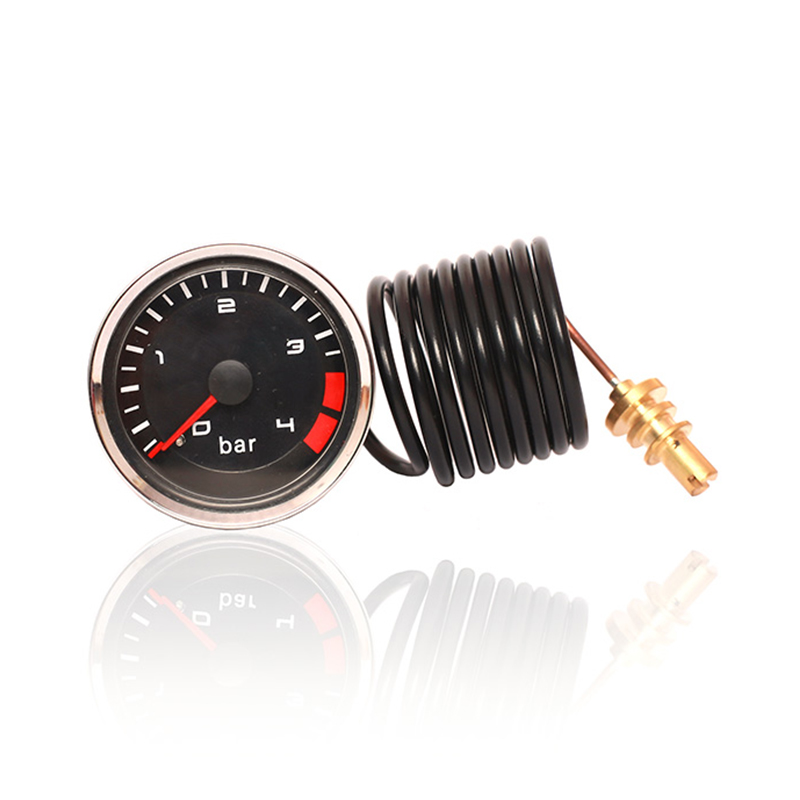


Call us
+86-15105800222
+86-15105800333


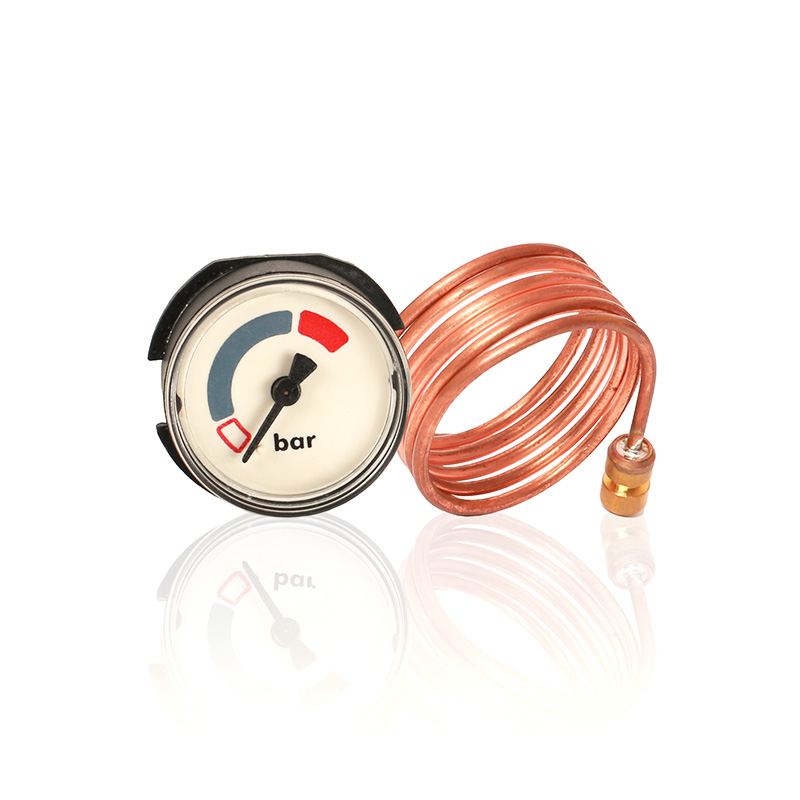
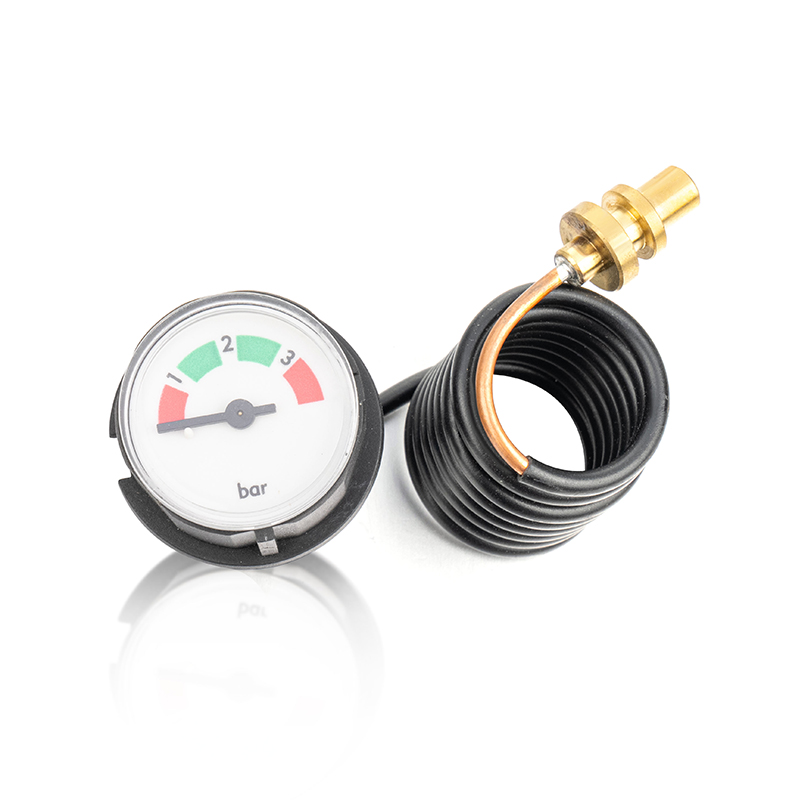
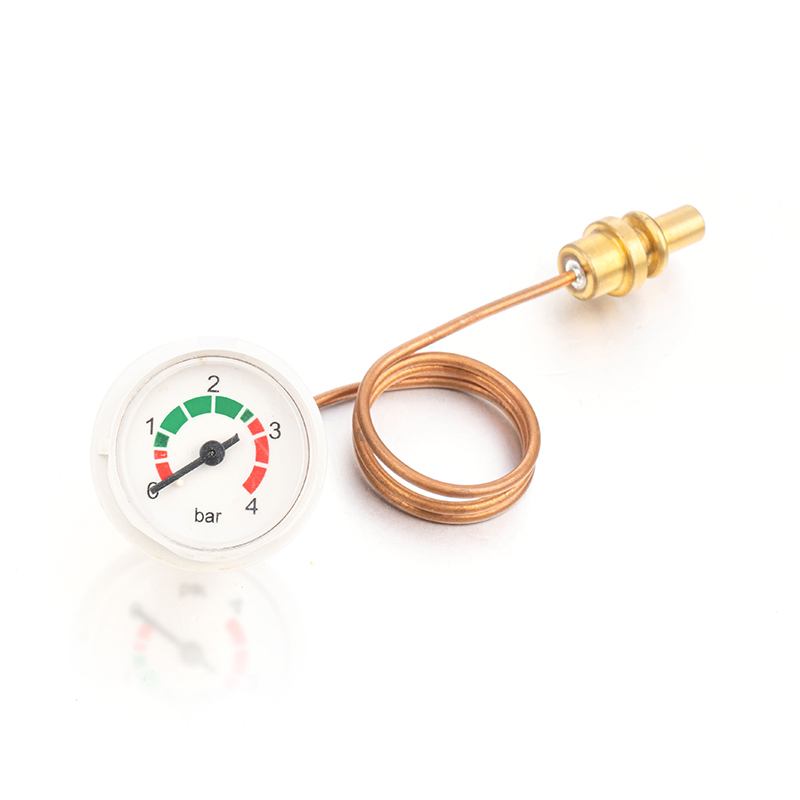
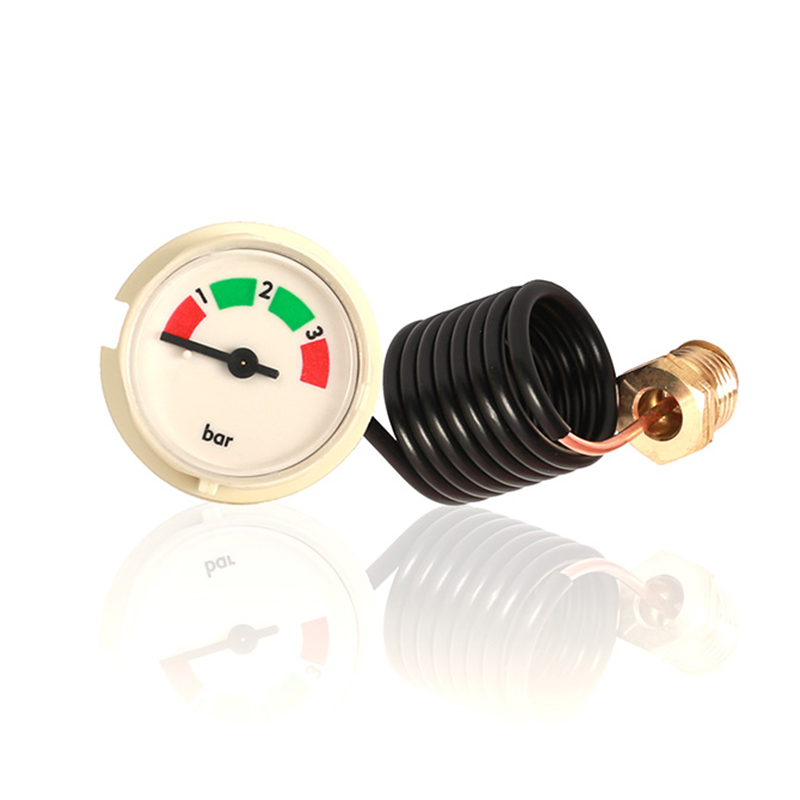
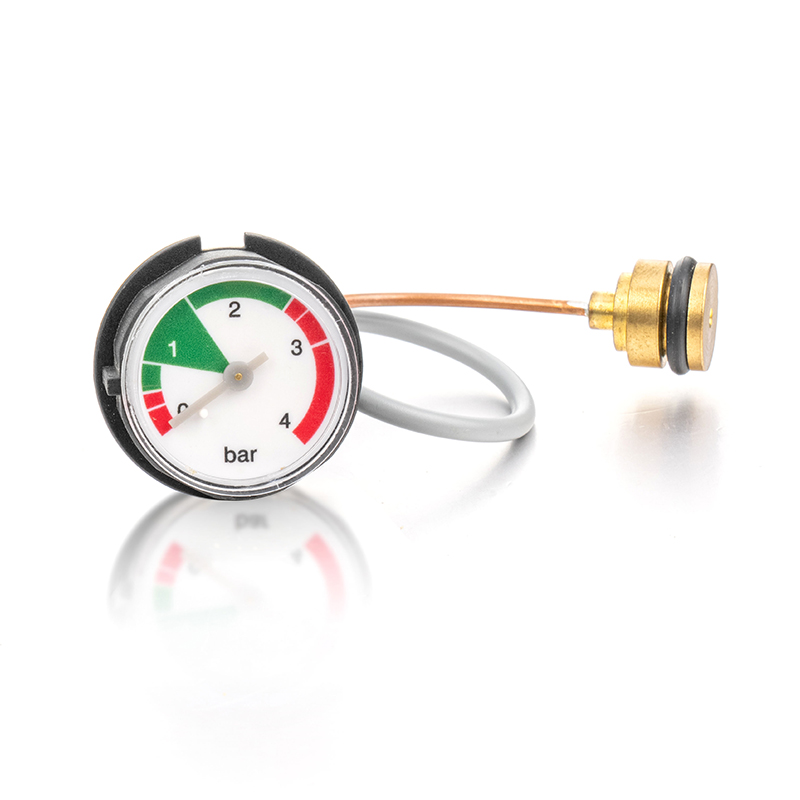
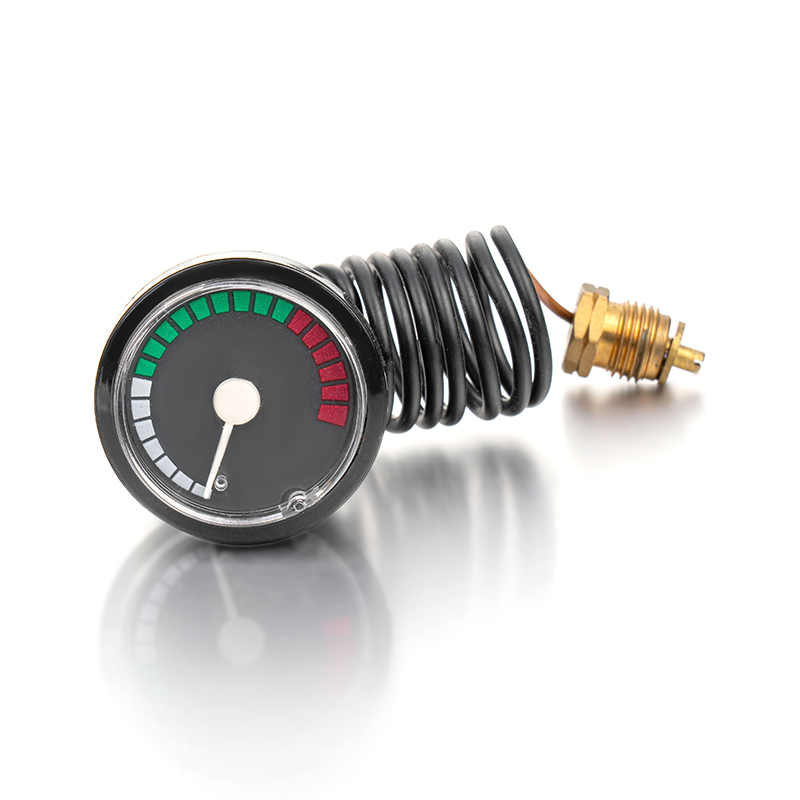
The pressure gauge in a water purifier is a critical instrument for monitoring system pressure, ensuring that the purification system operates within safe limits. During long-term use, pressure gauges may experience glass breakage or a stuck needle, significantly affecting monitoring accuracy and overall system safety. Understanding emergency response measures is essential to maintain stable operation, prolong equipment life, and reduce maintenance costs.
Glass breakage in pressure gauges is often caused by external impact, water hammer, sudden temperature changes, or long-term aging. Direct physical contact or collision can crack or shatter the glass. Water flow pulses or pipeline vibrations impose sudden pressure on internal components, which can lead to glass fracture. Extreme temperature fluctuations can cause thermal expansion and contraction, increasing the risk of breakage. Over time, aging of the glass material or micro-cracks formed during usage may also cause failure under pressure fluctuations.
A stuck needle usually results from mechanical wear, internal sediment buildup, or spring fatigue. Continuous exposure to water containing impurities or hard water can accumulate deposits in the needle bearing or sensing components, causing delayed or frozen pointer movement. Aging of the spring or gear elements may prevent the needle from returning to its proper position. Improper installation or excessive vibration of the pipeline can also contribute to needle jamming, affecting accurate pressure readings.
Immediately shut off the water source to prevent further contamination or injury from broken glass. Use protective gloves, brushes, or a vacuum cleaner to safely remove shards without direct hand contact. Inspect the gauge and pipeline connections for leaks, and temporarily block any escaping water. Replace the broken pressure gauge with a new unit promptly to ensure continued pressure monitoring. Installing a transparent protective cover or shatterproof film can enhance safety and reduce the risk of repeat breakage.
When the needle is stuck, first turn off the water pump or inlet valve to reduce pressure on the gauge. Gently tapping or rotating the gauge casing may restore needle movement, but excessive force should be avoided to prevent internal damage. If the needle remains stuck, remove the gauge and clean the needle bearings and pressure-sensing components using clean water or a neutral cleaning agent. Professional disassembly and lubrication may be required to restore proper function. Pressure gauges that cannot be repaired should be replaced immediately to maintain accurate system monitoring.
Regular inspection of the gauge appearance and readings can detect cracks or needle issues early. Maintain stable pipeline conditions to avoid excessive water hammer or vibrations. Choose high-quality, pressure-resistant, shatterproof, and corrosion-resistant gauges to minimize the risk of breakage and needle jamming. Routine cleaning of gauge connections and internal components prevents sediment buildup. Installing dampers or protective housings can further reduce external impact and pressure fluctuations on the gauge.

+86-15105800222
+86-15105800333


Shuangtang Industrial Zone,Liuheng Town , Putuo District, Zhoushan City,Zhejiang Province,China
We will reply to you within 12 hours after receiving the inquiry on working days. Or, give us a call.
The information provided on this website is intended for use only in countries and jurisdictions outside of the People's Republic of China.
Copyright © Zhoushan Jiaerling Meter Co., Ltd. All Rights Reserved.
 Wholesale Pressure Gauge Factory
