 English
 中文简体
中文简体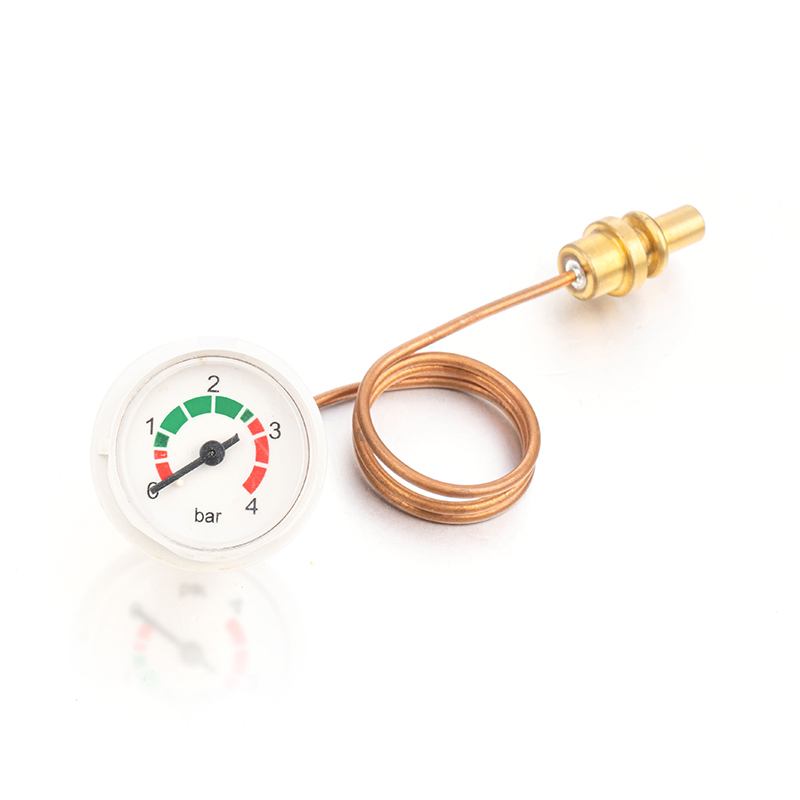

Call us
+86-15105800222
+86-15105800333


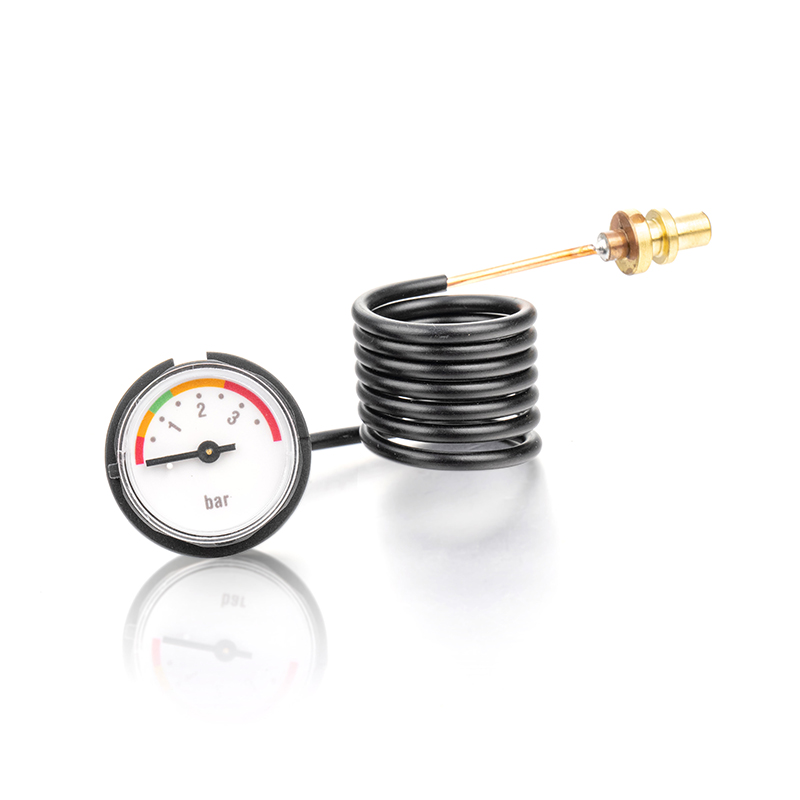
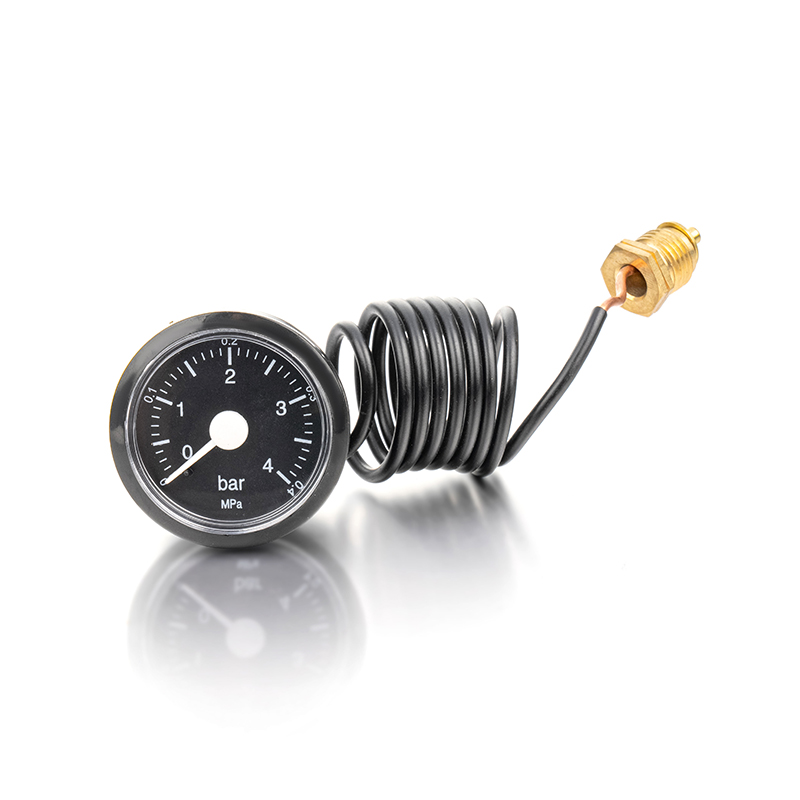
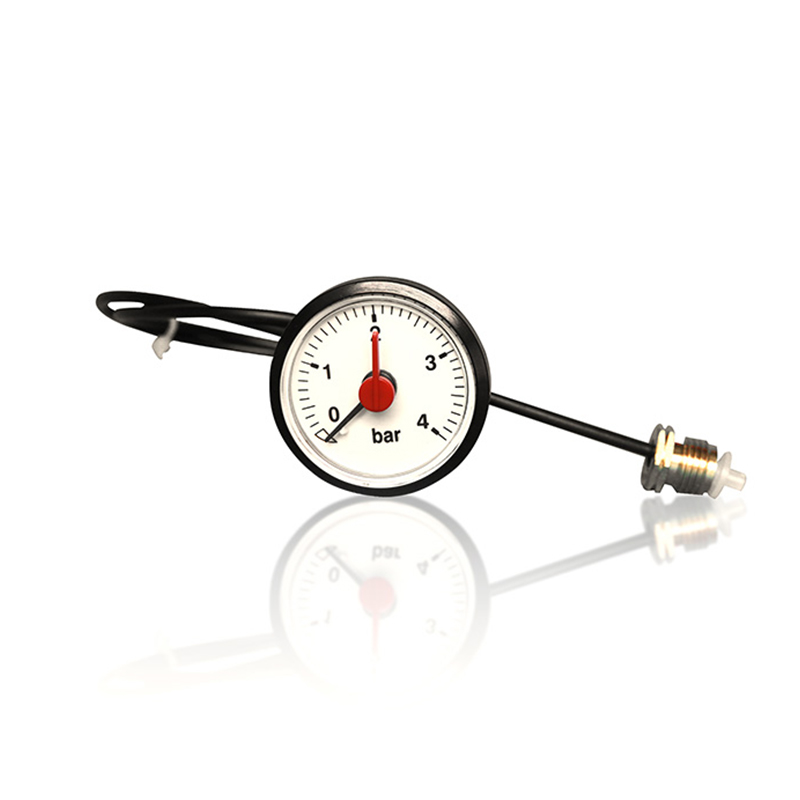
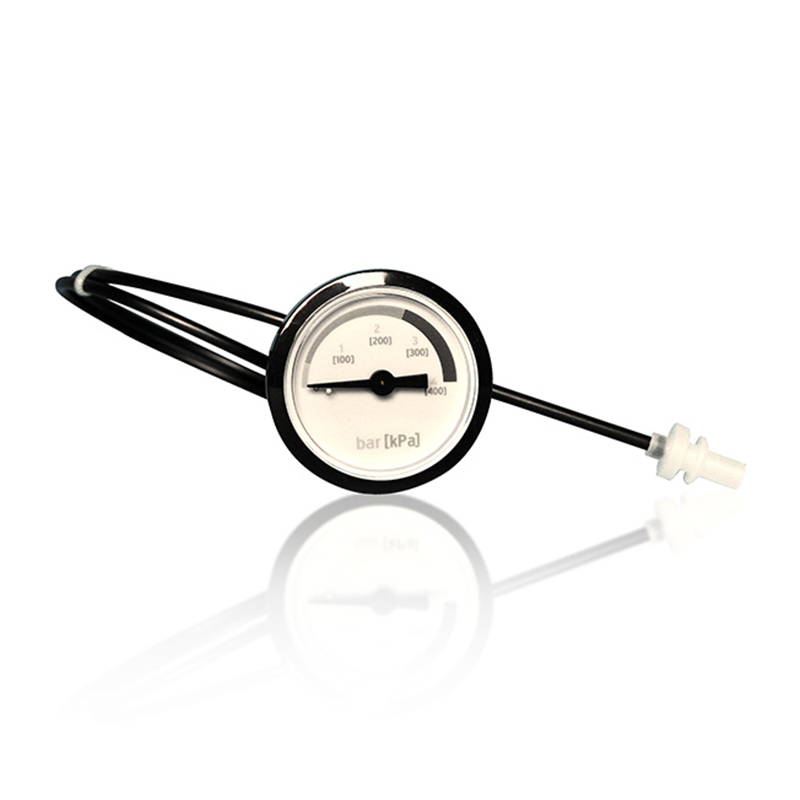
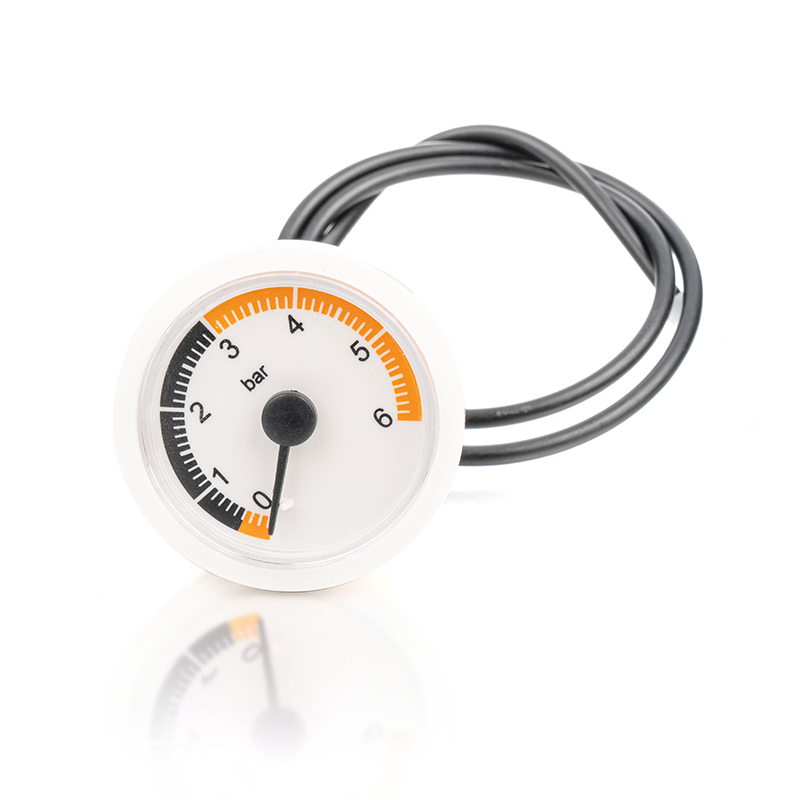
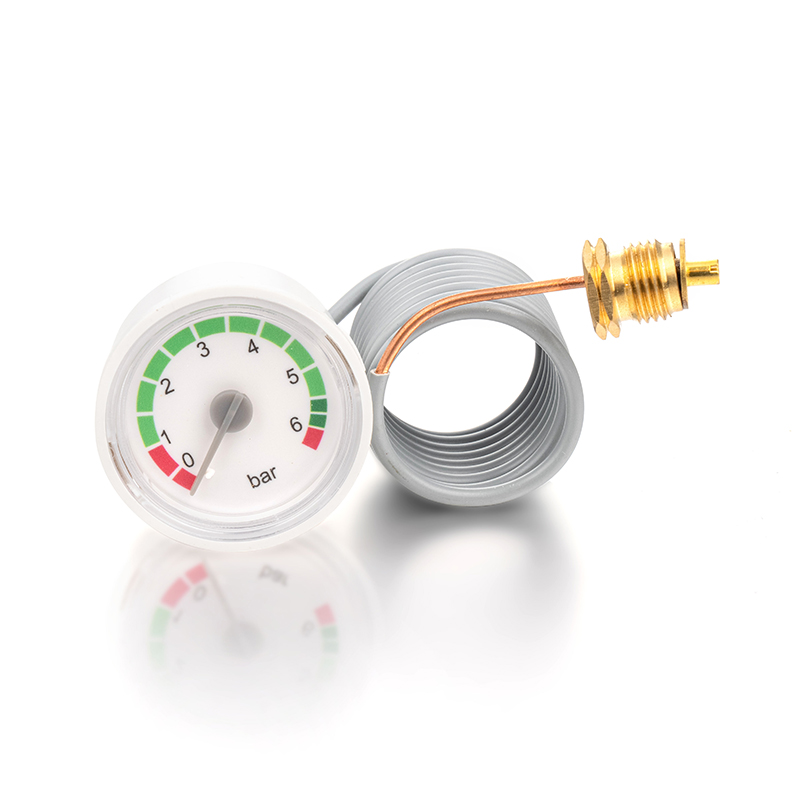
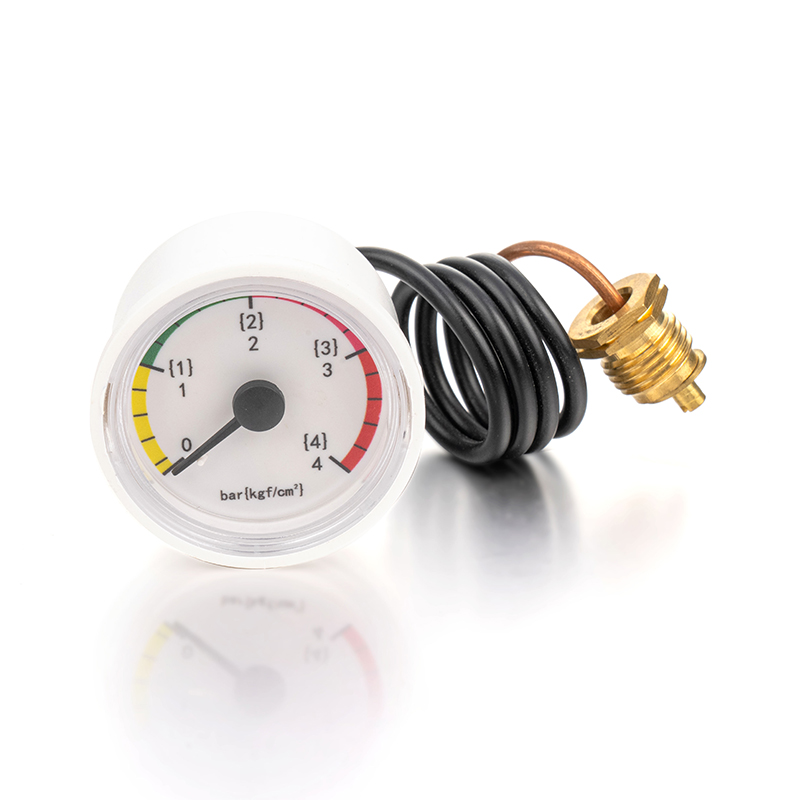
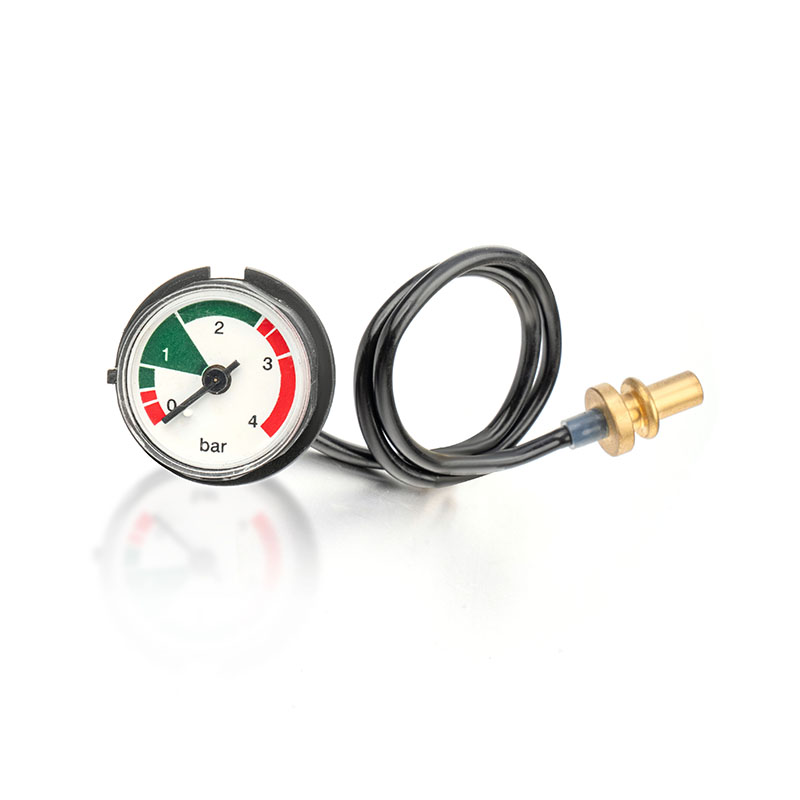
The pressure gauge in a water purifier is an essential monitoring device, primarily used to track water pressure changes in pipelines and filtration systems, ensuring normal operation. Over long-term use, pressure gauges may exhibit drift, affecting monitoring accuracy and the overall efficiency of the purifier. Understanding the causes of drift and proper calibration methods is crucial for maintaining purifier performance and prolonging its service life.
Pressure gauge drift refers to a deviation or fluctuation in the gauge reading compared to the actual pressure. Symptoms include the pointer not returning to zero, unstable readings, or long-term deviations that are either too high or too low. Drift is often caused by material aging, mechanical wear, corrosion from water quality, or improper installation. Prolonged exposure to water flow and impurities can fatigue sensitive components such as springs or diaphragms, causing delayed or inaccurate pointer responses. Hard water or water containing particulate matter may deposit scale inside the gauge, altering spring tension or sensing element elasticity and leading to drift.
Inaccurate readings can significantly impact monitoring and maintenance decisions. Drift may delay filter replacement or trigger premature replacement, and in severe cases, lead to pump overload or damage to reverse osmosis membranes. Regular calibration restores gauge accuracy, ensuring that the water purification system operates safely within the designated pressure range. Calibration also extends the lifespan of the gauge, reduces maintenance costs, and improves overall user experience.
Before calibration, it is essential to prepare a standard pressure source, calibration tools, and safety equipment. Standard pressure sources typically include adjustable hydraulic or pneumatic devices that provide stable, controllable pressure. Calibration tools may include a pressure calibrator, screwdriver, sealing rings, and protective gloves. Inspect the gauge for visible damage or leakage at connections. Follow manufacturer safety guidelines strictly during operation to prevent injury from high-pressure water or air.
Calibration generally involves zero-point adjustment, full-scale adjustment, and intermediate point comparison. First, ensure the gauge pointer accurately points to zero when no pressure is applied. If it deviates, use the fine adjustment screw to correct it. Next, apply full-scale pressure using the standard source and check whether the reading matches the standard value. If a discrepancy exists, adjust the pointer position or spring tension according to the manufacturer’s instructions. Intermediate point calibration can be performed using a multi-point pressure method to ensure accuracy across the entire pressure range. After calibration, record the results and deviations for future tracking and analysis.
Calibration is not a one-time procedure but should be combined with regular maintenance. Depending on water quality and usage frequency, accuracy checks and calibration should be performed every 6 to 12 months. Protect the gauge from water hammer, vibration, and high temperatures. Clean the gauge connections and pipelines to prevent scale or corrosion that may lead to drift. If necessary, install protective housings or dampers to minimize water flow pulsations, further extending the gauge’s lifespan.

+86-15105800222
+86-15105800333


Shuangtang Industrial Zone,Liuheng Town , Putuo District, Zhoushan City,Zhejiang Province,China
We will reply to you within 12 hours after receiving the inquiry on working days. Or, give us a call.
The information provided on this website is intended for use only in countries and jurisdictions outside of the People's Republic of China.
Copyright © Zhoushan Jiaerling Meter Co., Ltd. All Rights Reserved.
 Wholesale Pressure Gauge Factory
