 English
 中文简体
中文简体

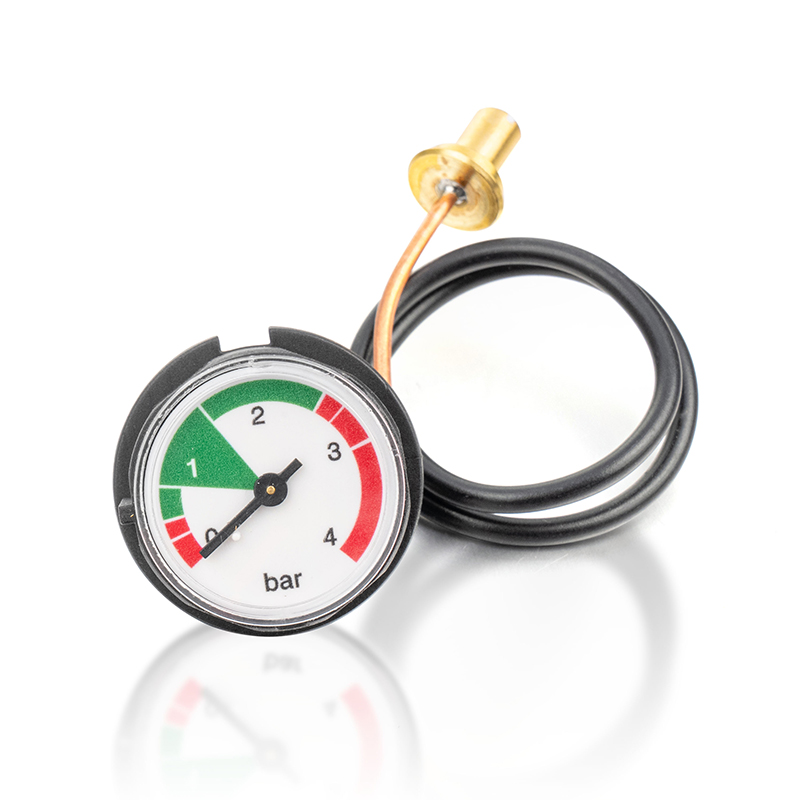
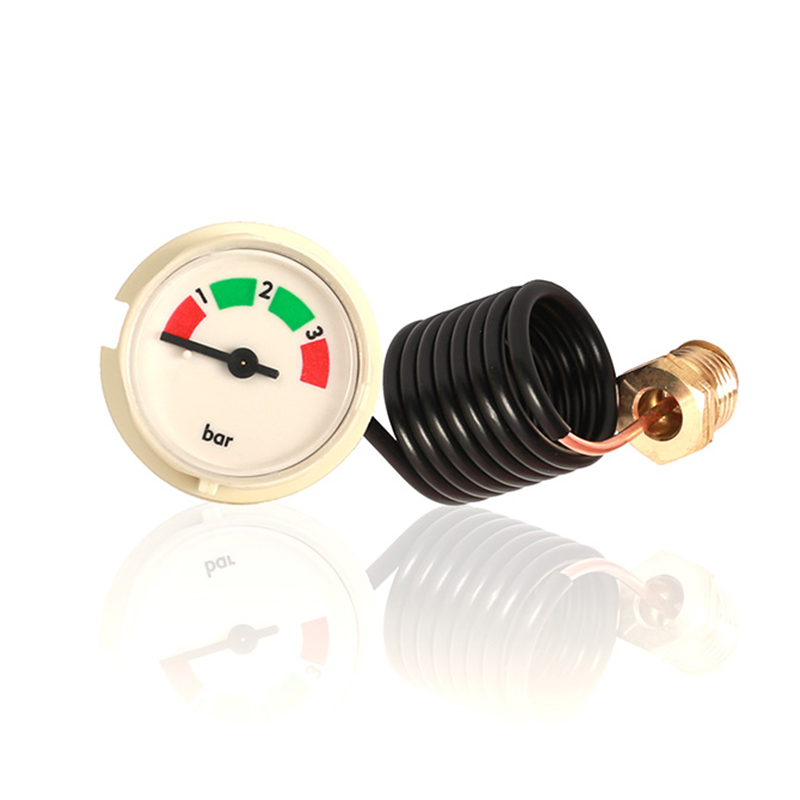
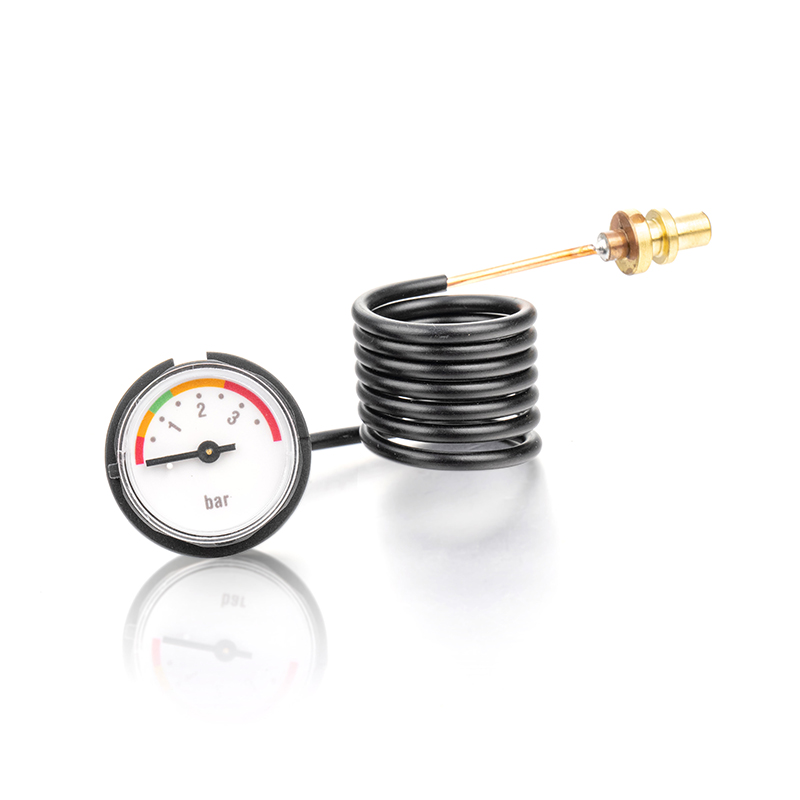
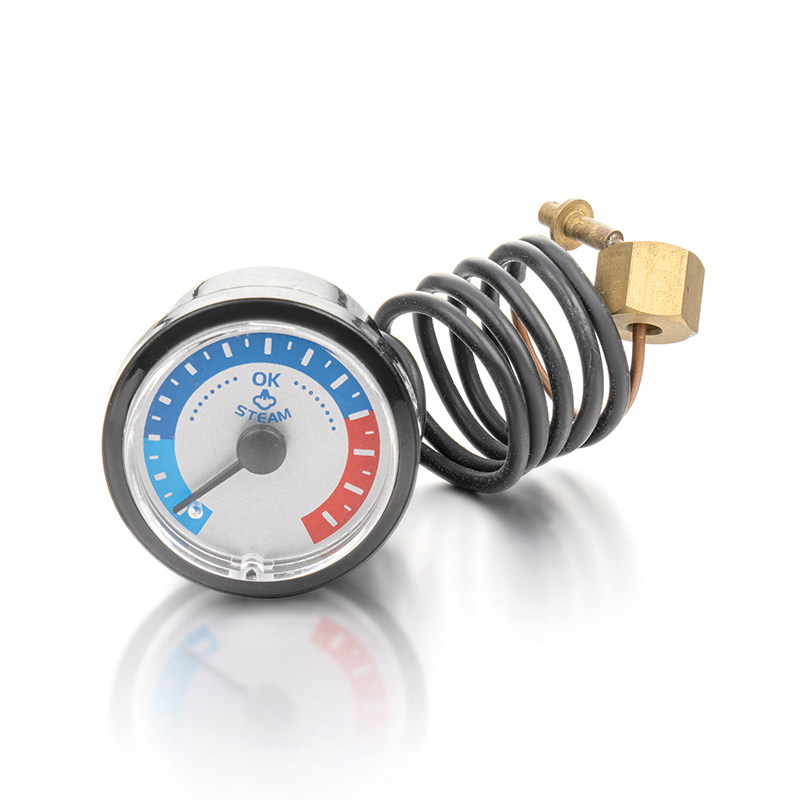


Call us
+86-15105800222
+86-15105800333


A process engineer walks up to a newly delivered pump package, glances at the pressure instruments, and already knows what is inside each round case. On most industrial equipment in service today, those small gauges share the same operating principle. For engineers and plant teams who source instruments, the same question always comes up: what is the most common pressure gauge? The short answer is the Bourdon tube pressure gauge. This article explains why that design became the standard across industries, how it works, which alternatives exist, and how to select the right gauge for a particular application.
The Bourdon tube pressure gauge, named after the French engineer Eugène Bourdon who patented the design in 1849, is the most widely used pressure-measuring instrument in the world. It is found in factories, compressor rooms, refineries, water treatment plants, hydraulic systems, and thousands of other installations. The word "pressure gauge" in this discussion refers to the instrument itself, and within that instrument category, the Bourdon tube type is the one you will meet most often.
Well over 150 years after its invention, the basic construction has not changed. It is fully mechanical, needs no power supply, tolerates harsh conditions, and gives a stable local reading. When someone says "a standard pressure gauge," in most cases they are describing a Bourdon tube gauge.
No single feature explains the dominance of this gauge type. It is the combination of several engineering advantages that are difficult to beat as a package.
This set of qualities is why the Bourdon tube gauge appears again and again in industry. If you are comparing it with diaphragm-style elements, our technical guide on Bourdon tube vs diaphragm pressure gauge selection can help you understand the crossover points.
The sensing element is a curved or coiled tube with an oval cross-section. When pressure enters the tube, the cross-section becomes rounder, and the free end of the tube straightens slightly. A link and a gear sector amplify this small movement and turn a pointer on a calibrated scale.
Because the elastic element does the work, the material quality and heat treatment control repeatability. Brass and phosphor bronze are common for air, water, and oil. For corrosive media, a 316 stainless steel tube and welded socket are used. When pumps or compressors create vibration, the case is filled with glycerin or silicone oil to dampen pointer flutter and protect the movement.
Not every Bourdon tube gauge has the same shape. Manufacturers produce several tube geometries to cover different pressure levels and sensitivity requirements.
In addition to the tube shape, the case style matters. Common dial sizes for industrial use are 63 mm, 100 mm, and 160 mm. Radial connection (lower mount) is typical for direct installation on a pipe or line; axial connection (back mount) is used on panels and control boards. For standard 60 mm industrial instruments, the Y-series offers a dependable and economical Bourdon tube option.
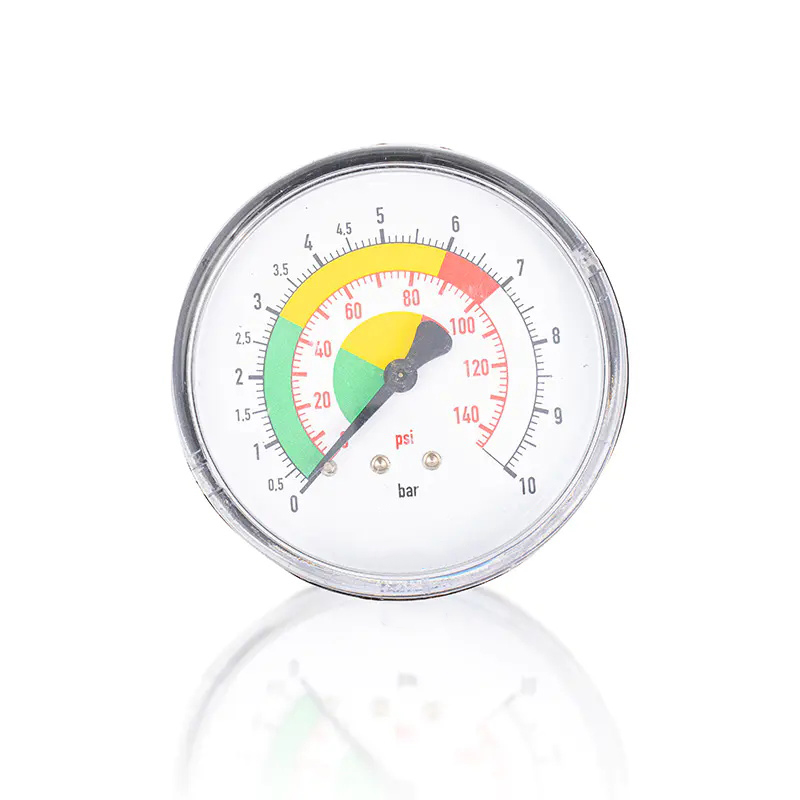 Y60 Series Bourdon Tube Pressure Gauge for Industrial UseA dependable 60 mm radial or axial pressure gauge suited for direct pipe or panel mounting. Its durable construction supports accurate monitoring of gases and liquids in pneumatic systems.View Product →
A Bourdon tube gauge is the most common type, but it is not the only one. Other mechanical designs solve particular problems in low-pressure, corrosive, or hygienic processes. Knowing them prevents an expensive mismatch between the gauge and the application.
| Gauge type | Sensing element | Typical pressure range | Best suited for |
|---|---|---|---|
| Bourdon tube | Curved metal tube | 0.6 to 1000+ bar | General industrial, hydraulic, pneumatic, steam service |
| Diaphragm | Corrugated metal diaphragm | 16 mbar to 40 bar | Corrosive media, viscous fluids, slurries, hygienic processes |
| Capsule | Two welded diaphragms | 2.5 to 600 mbar | Very low gas pressure, draft measurement, air flow monitoring |
| Bellows | Metal bellows element | 0.6 to 10 bar | Low-pressure gas and steam, level indication |
| Digital electronic | Pressure sensor and display | Depends on sensor range | High-accuracy reading, remote data, calibration tasks |
The chart below illustrates the typical pressure range coverage of the main mechanical types. The Bourdon tube gauge covers the widest portion of the industrial spectrum, which is one more reason for its dominant position.
Typical pressure range coverage by gauge type (illustrative)
Diaphragm gauges deserve special attention because they solve several problems that a Bourdon tube cannot. When the process medium is corrosive, contains solids, or may crystallize, a diaphragm element protects the measuring system. This type is widespread in food processing, pharmaceutical production, and water treatment lines where cleanliness and isolation are priorities.
Although the Bourdon tube gauge is the overall winner, the balance shifts when you walk into a specific sector. The most common pressure gauge in one industry is usually a specialized variation chosen for the local conditions.
The standard copper-alloy Bourdon tube gauge appears on pumps, compressors, machine tools, and test benches. A 63 mm or 100 mm dial with a 1/4" BSP or NPT connection, selected so that the normal working pressure stays between 25% and 75% of the scale, is the typical solution.
All-stainless steel Bourdon gauges and diaphragm gauges are the common choice. Wetted parts resist hydrochloric acid, hydrogen sulfide, and other aggressive chemicals. A PP or PTFE diaphragm seal prevents crystallization and clogging in polymerizing media.
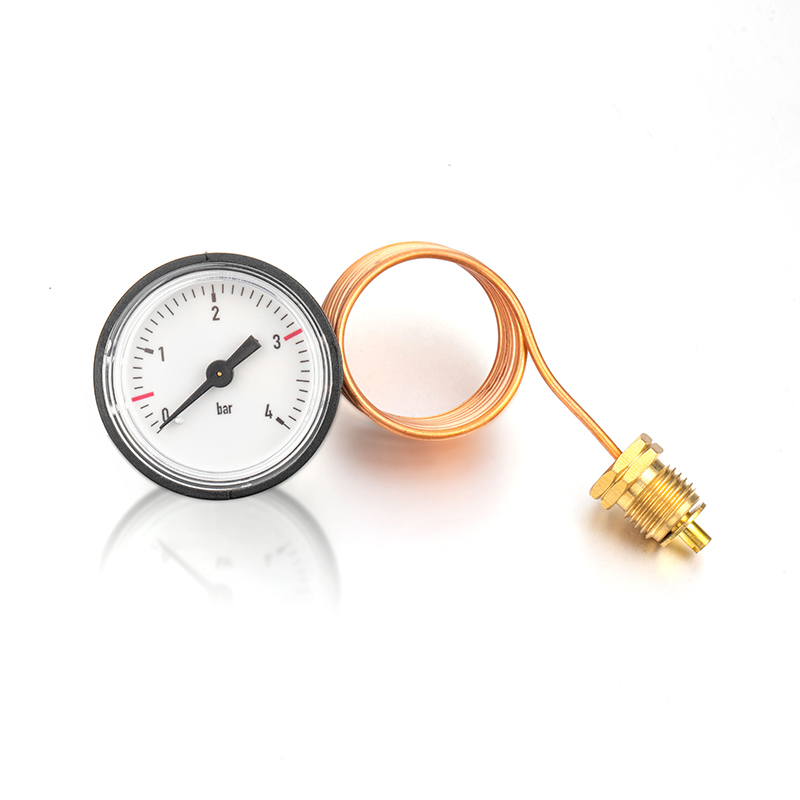
Refrigeration pressure gauges with a capillary tube allow remote mounting on a panel while the sensing element sits on the refrigerant line. In service kits, the most common instrument is a dual-scale gauge that shows both pressure and saturated temperature for refrigerants such as R134a, R22, or R410A.
Diaphragm-sealed gauges are common on water lines that carry suspended solids, while compact Bourdon gauges appear on filter housings and reverse osmosis manifolds. Brass internals are acceptable for potable water; seawater and chemical dosing lines need stainless steel wetted parts.
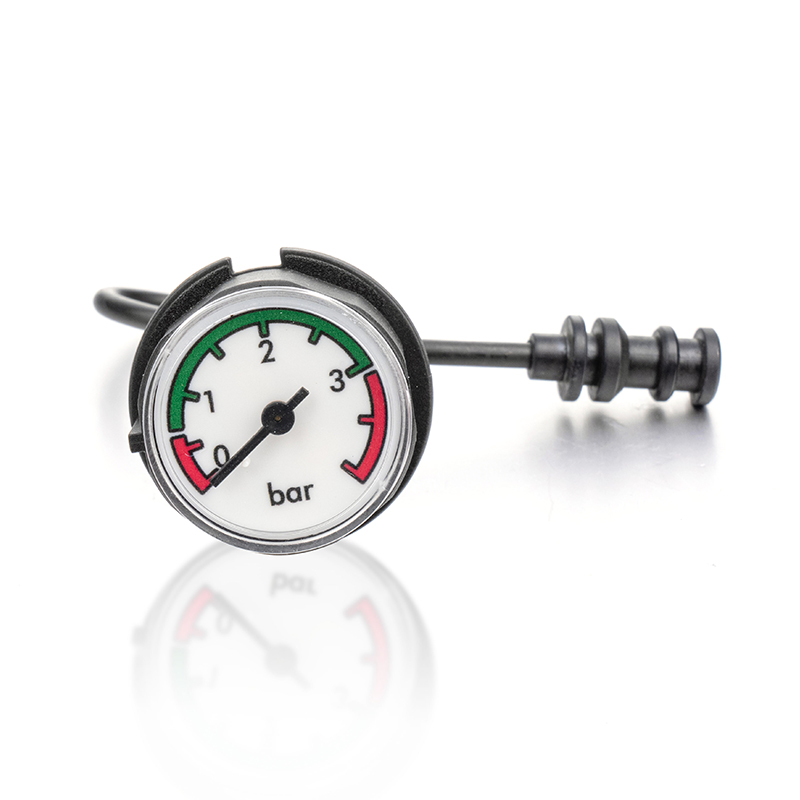
Small precision gauges are used on anesthesia machines, ventilators, oxygen regulators, and vacuum systems. Accuracy and smooth response are more important than a wide range, and the wetted materials must be compatible with medical gases.
The selection logic starts with the same three questions in every industry: what is the process medium, what is the operating pressure, and what is the installation environment. As a manufacturer, we build gauges that cover all of these categories, and our engineers can recommend a specific model when the application is outside the standard range.
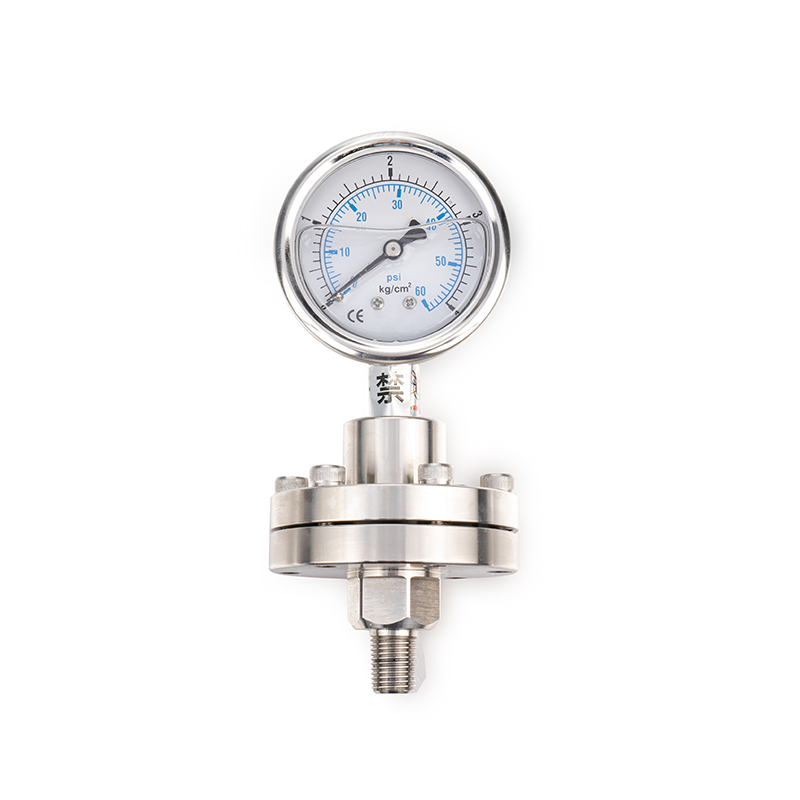 All-Stainless Steel Petrochemical Diaphragm Pressure GaugeBuilt with corrosion-resistant materials and a diaphragm seal, this gauge handles harsh media, high temperatures, vibration, and clogging risks, making it ideal for demanding petrochemical processes.View Product →
 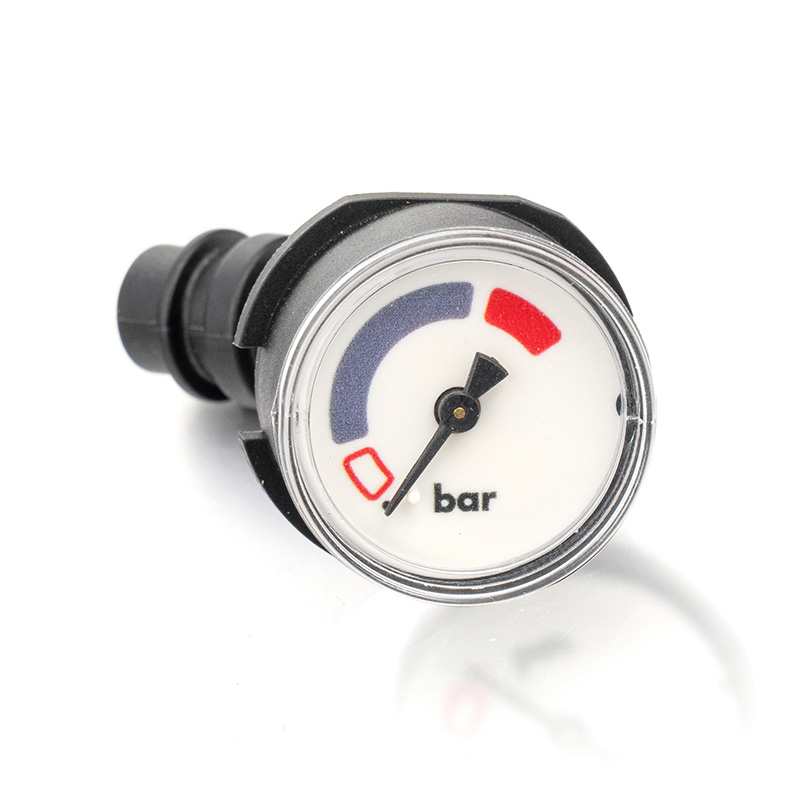 HVAC Pressure Gauge Without CapillaryEliminates capillary connections to simplify installation, reduce maintenance, and improve vibration resistance. A reliable choice for HVAC systems where long-term stability and lower costs matter.View Product →
Selecting a pressure gauge becomes straightforward when the requirements are written down in a fixed order. Most field failures trace back to one skipped step, not to a mysterious product defect.
When the normal working pressure sits above 75% of the scale, the elastic element sees constant stress and loses accuracy faster. Leave headroom above the maximum expected value.
Brass and copper alloys are fine for air, oil, and clean water, but they are damaged quickly by acids, seawater, and ammonia. Check the compatibility table of the wetted parts before installation.
Below roughly 0.6 bar, a Bourdon tube responds poorly and the pointer is difficult to read accurately. A capsule or diaphragm gauge is a better match for low-pressure gas.
On pump discharge and compressor lines, a dry gauge can fail within weeks because of pointer flutter. A liquid-filled case or a snubber in the connection protects the gear movement.
Even a robust mechanical gauge needs attention in service. The usual recommendation is to check calibration every 6 to 12 months, depending on the duty and on how critical the reading is to plant safety. A gauge that does not return to zero, has a bent pointer, shows a scratched dial, or has a cracked lens should be taken out of service immediately.
During calibration, a deadweight tester or a calibrated reference gauge is used as the standard. Pressure is applied in five evenly spaced steps up to full scale and then back down. The difference between the reading and the reference value is compared with the allowed limit of the accuracy class. If the error is outside the limit, the gauge is adjusted or replaced.
No. Digital pressure gauges can reach 0.25% of full scale or better. However, the accuracy of a Bourdon tube gauge, typically class 1.0 to 2.5, is sufficient for most industrial monitoring and safety functions, and the lower cost and higher reliability explain why it remains the most common choice.
Choose a diaphragm gauge when the medium is corrosive, viscous, contains solids, or has a pressure below about 0.6 bar. A diaphragm element also prevents the process fluid from entering the movement, which improves service life in dirty media.
Liquid-filled gauges use glycerin or silicone oil to dampen vibration and pulsation. For pumps, compressors, and vehicles, a liquid-filled gauge gives longer life. For steady, clean processes, a dry gauge is lighter and slightly easier to read from a distance.
It means that the maximum error at any point on the scale is within plus or minus 1.6% of the full-scale value. For a 0 to 10 bar gauge, the displayed value can deviate from the true pressure by up to 0.16 bar.
In a clean, stable application with no overpressure events, a quality Bourdon tube gauge typically lasts several years to more than a decade. The limiting factors are temperature, vibration, corrosion, and pressure cycles rather than time alone.
When engineers ask what the most common pressure gauge is, the answer has not changed for more than a century. The Bourdon tube gauge is the standard instrument because it offers a useful combination of range, accuracy, cost, and durability. For unusual conditions, the diaphragm, capsule, bellows, and digital gauges covered in this guide step in and complete the pressure measurement picture.
We manufacture Bourdon tube gauges and specialized models for HVAC, petrochemical, water treatment, medical, and general industrial use. If you are not certain which type suits your process, send us the medium, the pressure range, and the installation details, and our engineering team will recommend a suitable model.

+86-15105800222
+86-15105800333


Shuangtang Industrial Zone,Liuheng Town , Putuo District, Zhoushan City,Zhejiang Province,China
We will reply to you within 12 hours after receiving the inquiry on working days. Or, give us a call.
The information provided on this website is intended for use only in countries and jurisdictions outside of the People's Republic of China.
Copyright © Zhoushan Jiaerling Meter Co., Ltd. All Rights Reserved.
 Wholesale Pressure Gauge Factory
