 English
 中文简体
中文简体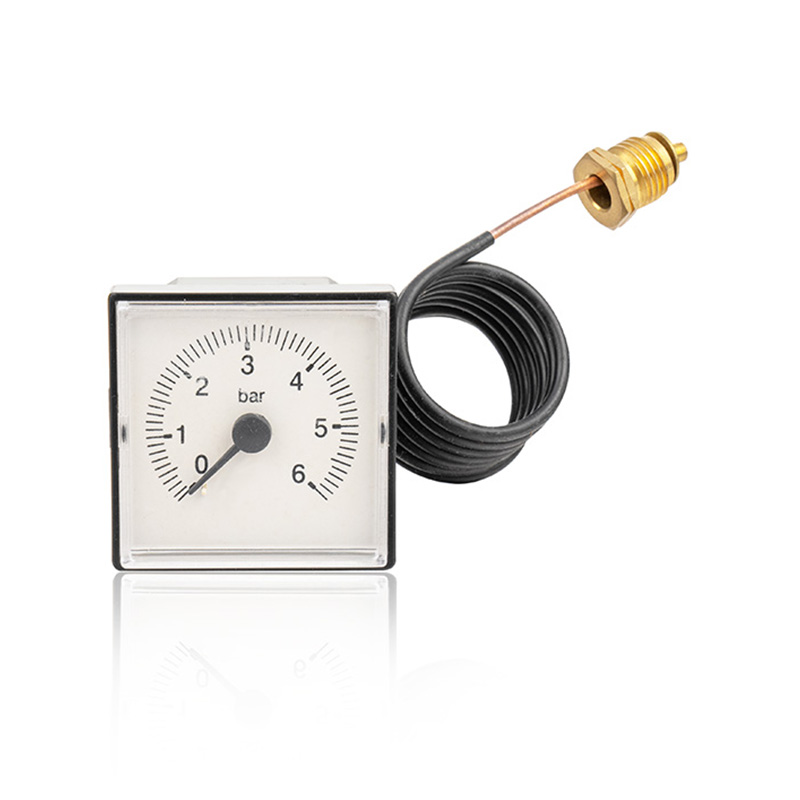

Call us
+86-15105800222
+86-15105800333


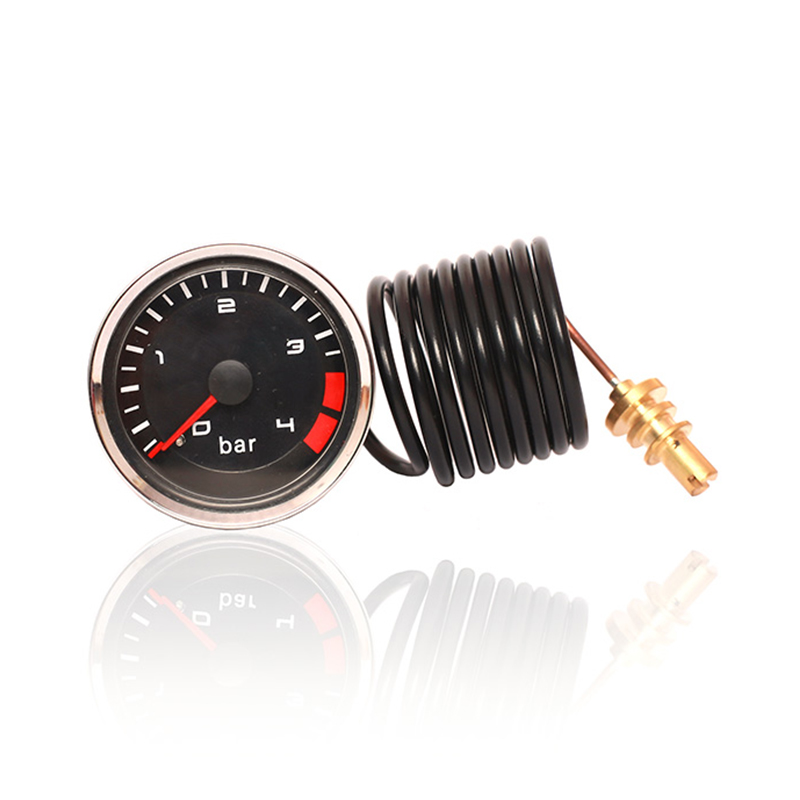
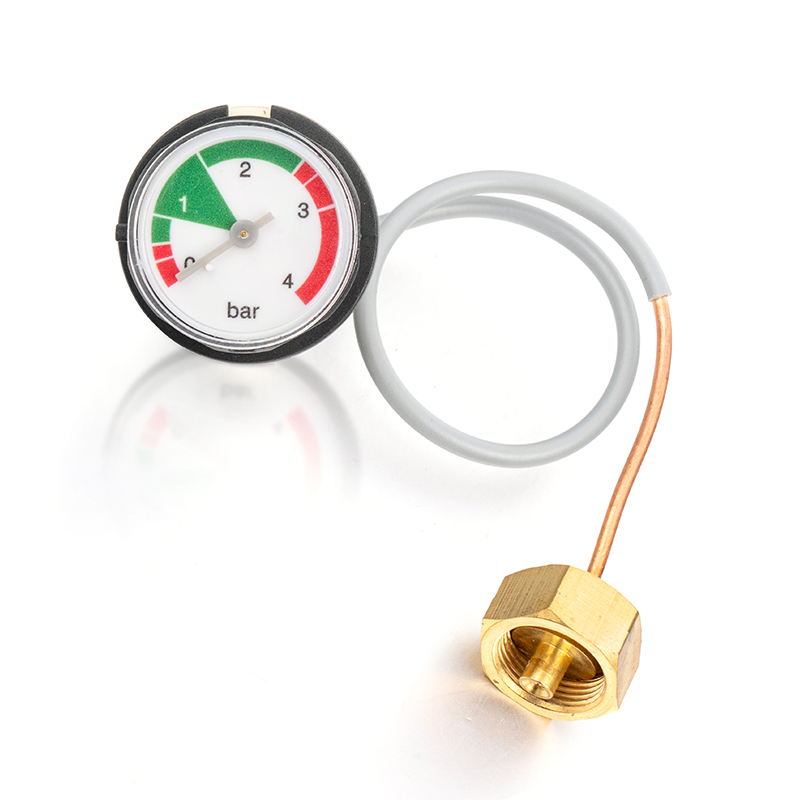
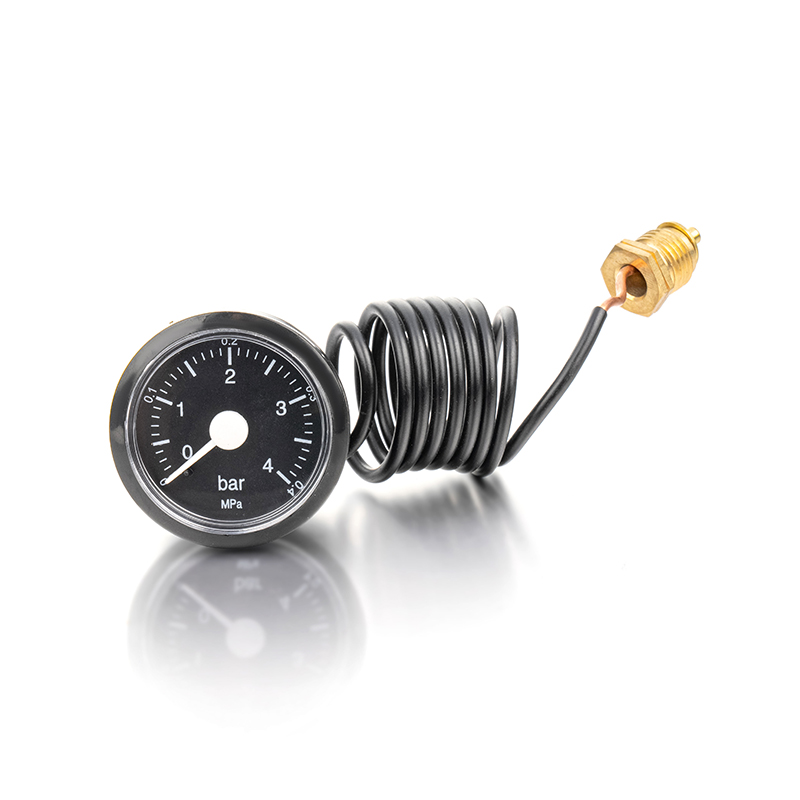
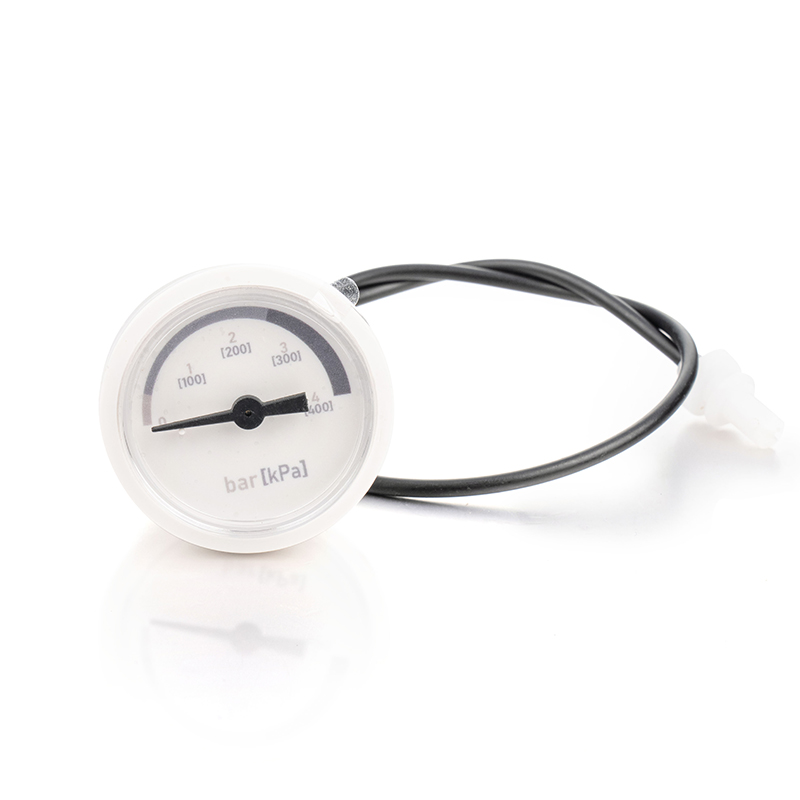
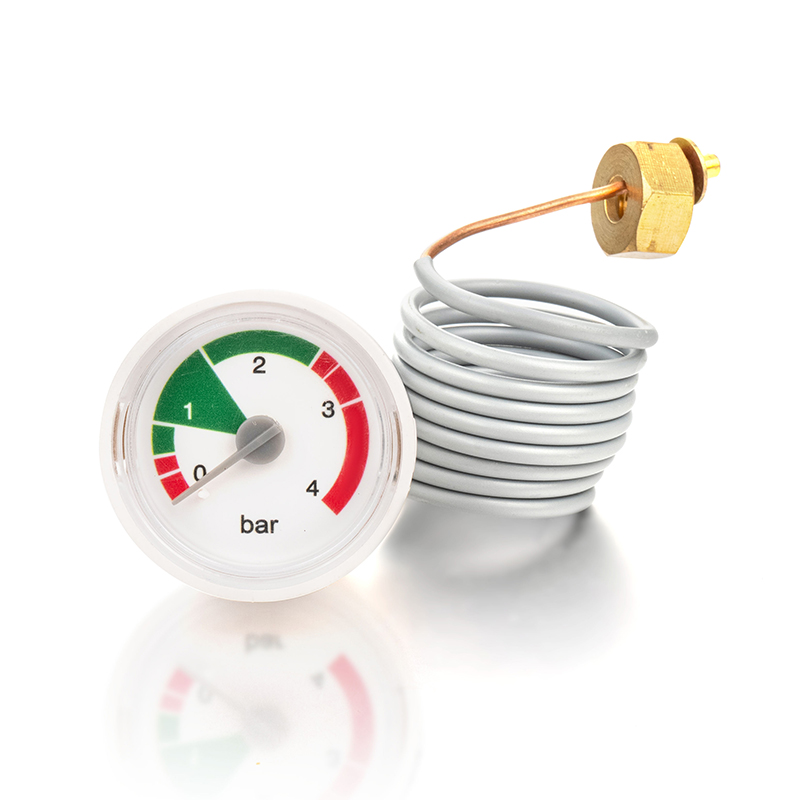
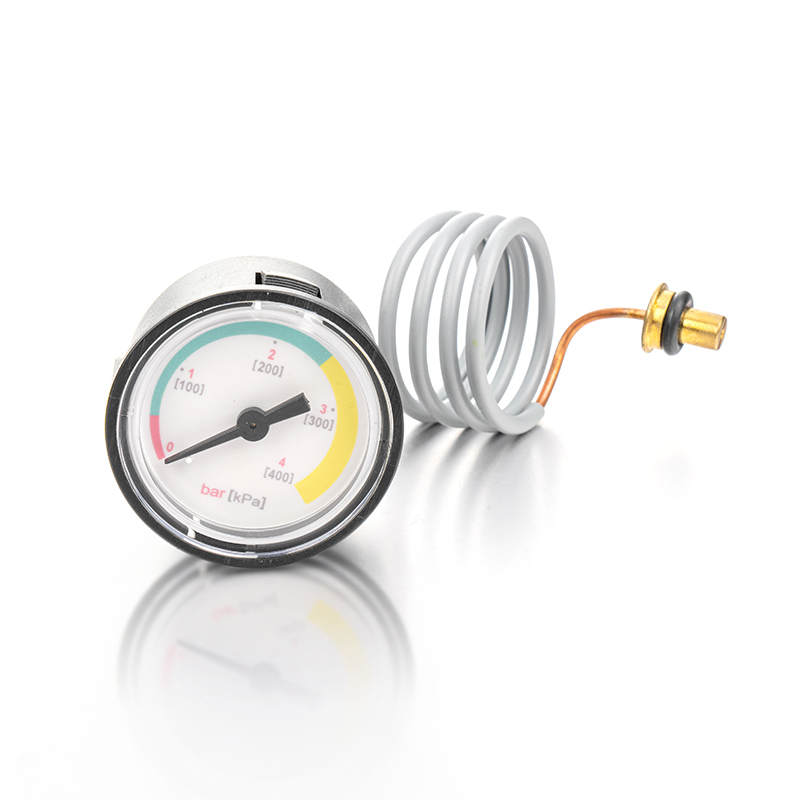
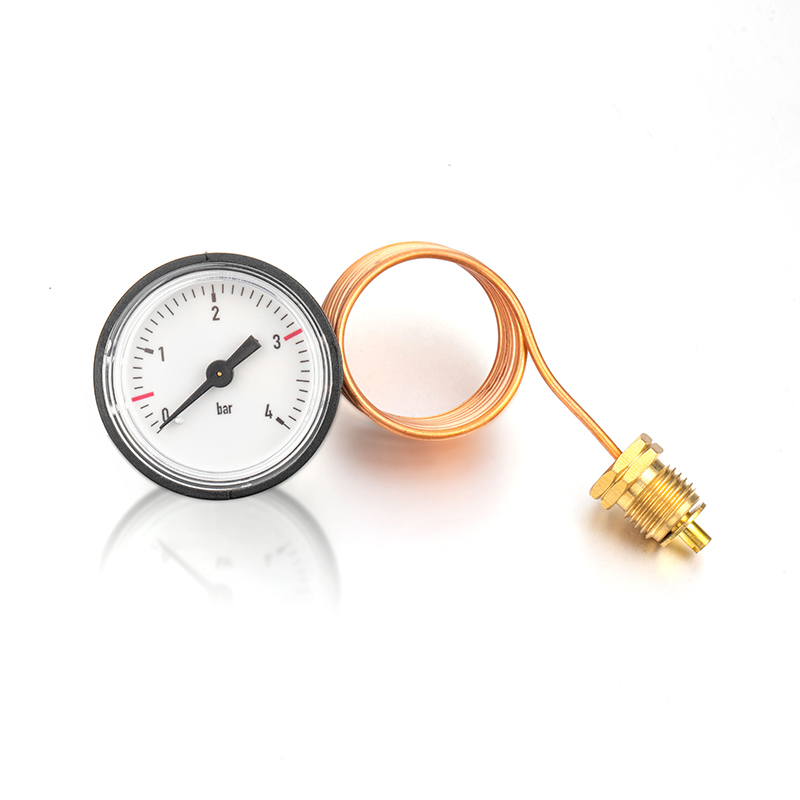
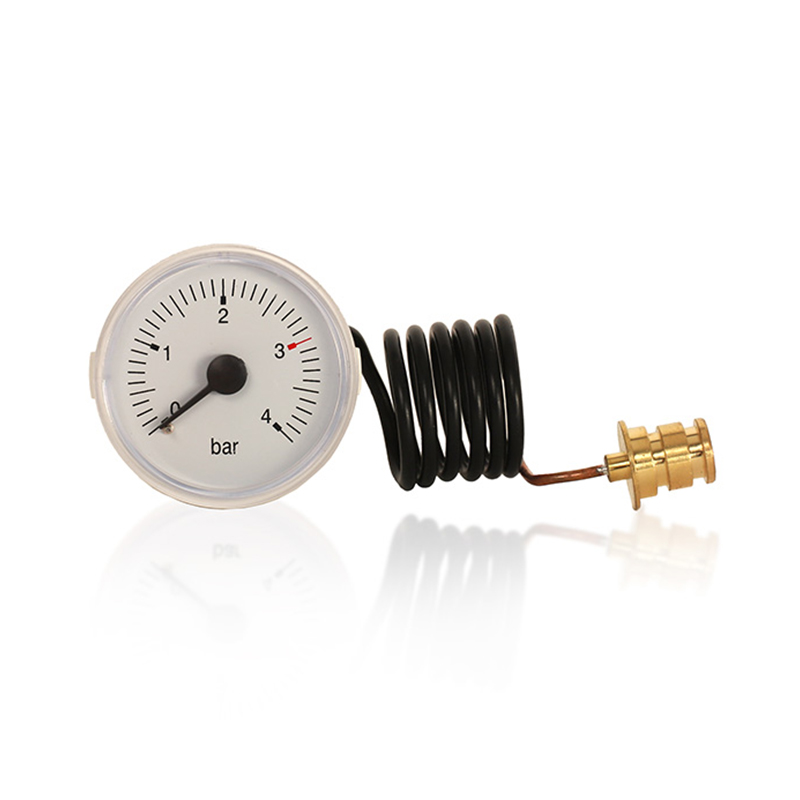
A pressure gauge is a precision instrument used to measure the force exerted by a fluid (liquid or gas) within a sealed container or pipe. From a physical perspective, pressure is defined as the perpendicular force applied per unit area: Pressure = Force / Area. The primary role of a pressure gauge is to convert this invisible physical force into a visual reading, such as a needle displacement on a dial or a digital readout.
Safety Assurance: Most fluid systems, such as steam boilers, hydraulic presses, and gas tanks, have specific pressure limits. A pressure gauge provides real-time warnings to prevent overpressurization, which could lead to container rupture or explosions.
Process Stabilization: In chemical synthesis, food processing, or pharmaceuticals, pressure determines the reaction rate and product quality. Operators use gauges to adjust pumps and valves to keep the system within the optimal operating range.
Cost Control and Diagnostics: Abnormal pressure fluctuations often indicate system issues. For example, a sudden drop may signify a leak, while a gradual increase suggests a clogged filter. Monitoring helps reduce energy waste and maintenance costs.
In oil refineries and chemical plants, pressure gauges monitor real-time conditions inside reactors. Hydraulic machinery, such as excavators and presses, relies on high-pressure hydraulic oil to output torque; gauges ensure the system does not exceed load limits and damage seals.
Pressure gauges monitor refrigerant states in both commercial central AC units and home boilers. The High-Pressure Side monitors compressor discharge pressure, while the Low-Pressure Side ensures there are no refrigerant leaks and maintains heat exchange efficiency.
Urban water networks and rural irrigation systems rely on gauges to ensure stable output pressure. In filtration systems, gauges are installed before and after filters to monitor differential pressure, which indicates when a filter needs replacement.
In hyperbaric oxygen chambers, anesthesia machines, and laboratory chromatographs, gauges must have extreme precision (often 0.1% or higher). Small deviations can impact research data or patient safety.
The most common application is tire pressure monitoring. Additionally, heavy-truck air brakes, aircraft hydraulic landing gear, and marine engine oil systems all rely on pressure gauges for functional safety.
This is the most widely used type globally. It features a flattened metal tube shaped like a C, a helix, or a spiral. As medium enters the tube, the pressure causes the tube to straighten, which moves a gear mechanism to rotate the pointer. They are cost-effective, durable, and cover a vast range from vacuum to 1000 MPa.
These use a corrugated metal diaphragm as the sensing element. Pressure acts on one side of the diaphragm, causing a displacement. The diaphragm completely separates the medium from the internal mechanism, making it ideal for viscous, crystallizing, or corrosive fluids.
[Image of diaphragm pressure gauge diagram]
Consists of two corrugated diaphragms welded together to form a sealed chamber. Pressure enters the interior of the capsule, causing it to expand. They offer high sensitivity and are specifically designed for measuring micro-pressure such as gas combustion systems.
Uses a container with thin-walled metallic folds, similar to an accordion. Pressure causes the bellows to expand axially. They are often used for differential pressure measurement and produce a larger displacement than a Bourdon tube with excellent linearity.
| Feature | Bourdon Tube | Diaphragm | Capsule | Bellows |
| Measurement Range | Very Wide | Medium | Very Low | Low |
| Main Advantage | Cost-effective | Anti-clogging | High Sensitivity | Linearity |
| Typical Medium | Water, Oil, Air | Acids, Slurry | Dry Gas | Steam |
Use electronic sensors with LCD displays. They offer high precision, data output, and recording functions, often used for calibration and high-accuracy laboratory requirements.
Feature two inlets to display the difference between two pressure points. They are commonly used for filter monitoring and cleanroom airflow control to ensure pressure gradients are maintained.
Specifically designed to measure pressure in spaces that are lower than atmospheric pressure. The scale typically starts at 0 and moves into negative values to indicate the level of vacuum.
Typically filled with glycerin or silicone oil. The liquid acts as a dampener to absorb vibrations and pulsations, preventing the pointer from fluttering and reducing wear on internal parts.
The Ideal Range for a home is 40 - 60 PSI. This provides the best performance for dishwashers and showers. The Minimum Acceptable level is 30 PSI, below which flow weakens significantly. The Upper Limit is 80 PSI; exceeding this can damage faucet seals and pipe joints.
Exceeding 80 PSI can lead to water hammer, pipe leaks, dripping faucets, toilet fill valve failure, and a shortened lifespan for water heaters and other water-based appliances.
If pressure is too low, a booster pump is usually required. If pressure is too high, a Pressure Reducing Valve (PRV) must be installed at the main water line to protect the household plumbing system.
Follow the 1/3 to 2/3 rule: the working pressure should fall in the middle of the gauge's full scale to prevent spring fatigue. Common dial sizes are 1.5 inch for compact spaces and up to 6 inch for remote reading requirements.
Use Copper or Brass for economical air and water applications. Choose 316 Stainless Steel for chemicals or saltwater. Standard industrial accuracy is usually 1.6 percent, while precision test gauges reach 0.25 percent.
Consider ambient temperature and vibrations. If the gauge is mounted on a vibrating pump, liquid-filled models are mandatory. Mounting can be radial (bottom connection) or axial (back connection) depending on space.
Over time, internal spring elements experience elastic hysteresis. Industrial standards generally require annual calibration using a Deadweight Tester to ensure the accuracy of the readings remains within the specified tolerance.
| Symptom | Possible Cause | Recommendation |
| Pointer not at zero | Internal damage | Replace the gauge |
| Fog inside glass | Poor seal | Reseal or replace gauge |
| Pointer fluttering | Rapid pulses | Use a liquid-filled gauge |
| Zero reading under pressure | Clogged inlet | Clean the connection |
The liquid (usually glycerin) provides dampening and lubrication. It stabilizes the pointer against vibration and protects the internal movement from wear in harsh environments.
Absolutely not. Oxygen gauges must be free of oil. If a standard gauge with oil residue is used with high-pressure oxygen, it can cause a violent explosion. Oxygen gauges are marked with a No Oil symbol.
Gauge Pressure is measured relative to atmospheric pressure (most common). Absolute Pressure is measured relative to a perfect vacuum. Absolute Pressure = Gauge Pressure + Atmospheric Pressure.
Air pressure changes during shipping can cause internal pressure build-up. Most filled gauges have a rubber plug. After installation, cut the tip of the plug to vent the gauge and equalize the pressure; the pointer will return to zero.
In a stable environment, a high-quality gauge can last 5 to 10 years. However, in high-vibration or corrosive environments, the lifespan may be less than 12 months. Regular inspection is necessary for safety.

+86-15105800222
+86-15105800333


Shuangtang Industrial Zone,Liuheng Town , Putuo District, Zhoushan City,Zhejiang Province,China
We will reply to you within 12 hours after receiving the inquiry on working days. Or, give us a call.
The information provided on this website is intended for use only in countries and jurisdictions outside of the People's Republic of China.
Copyright © Zhoushan Jiaerling Meter Co., Ltd. All Rights Reserved.
 Wholesale Pressure Gauge Factory
