 English
 中文简体
中文简体
Call us
+86-15105800222
+86-15105800333


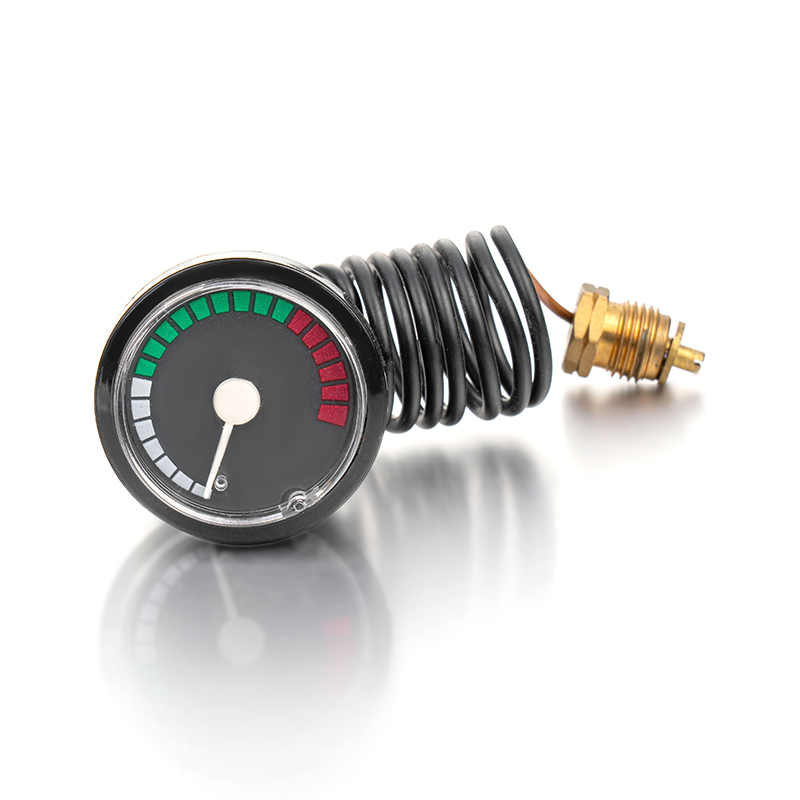
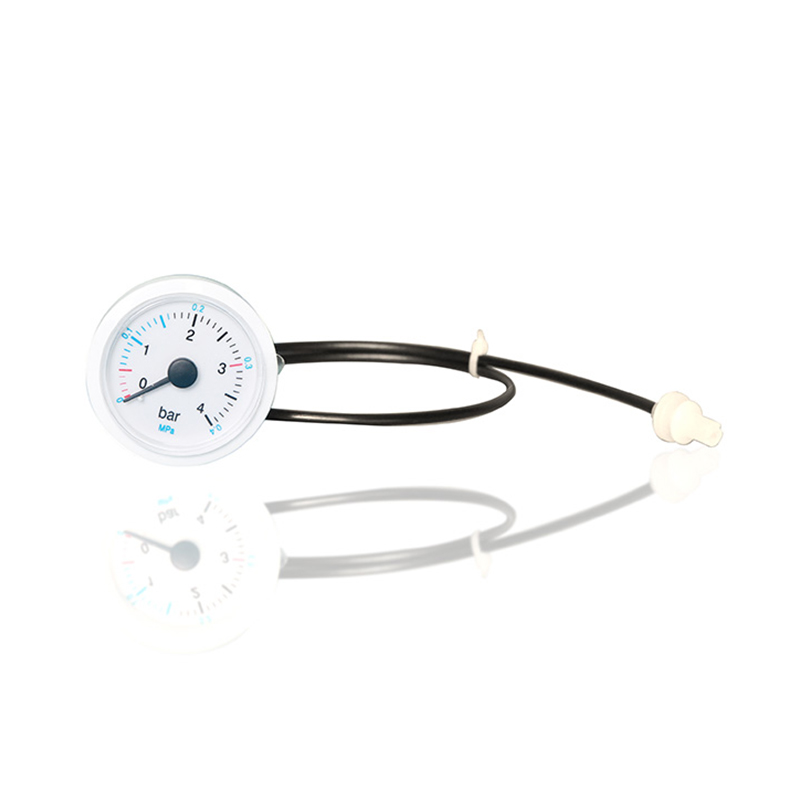
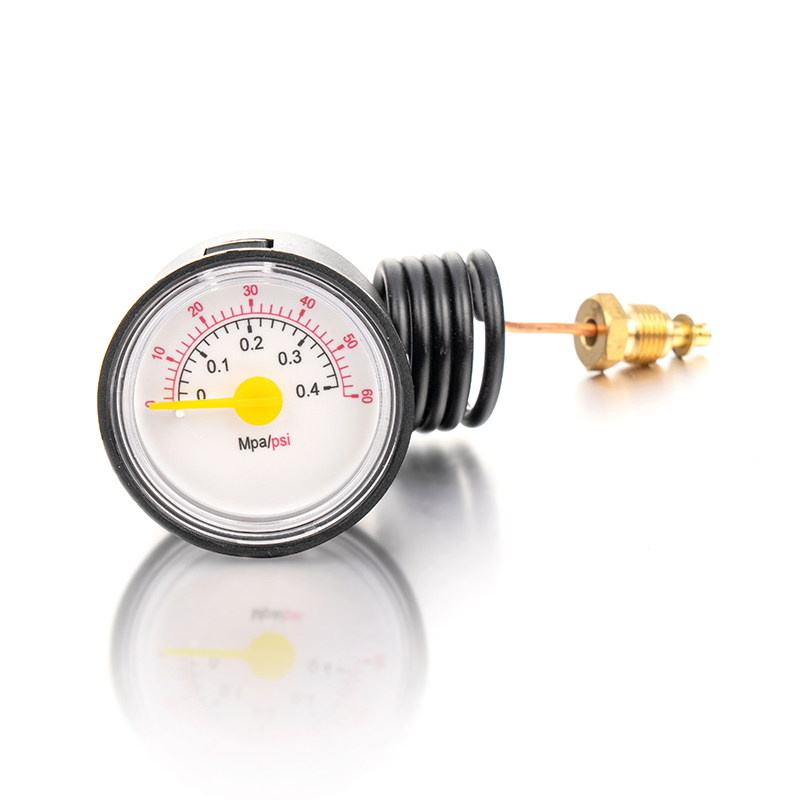
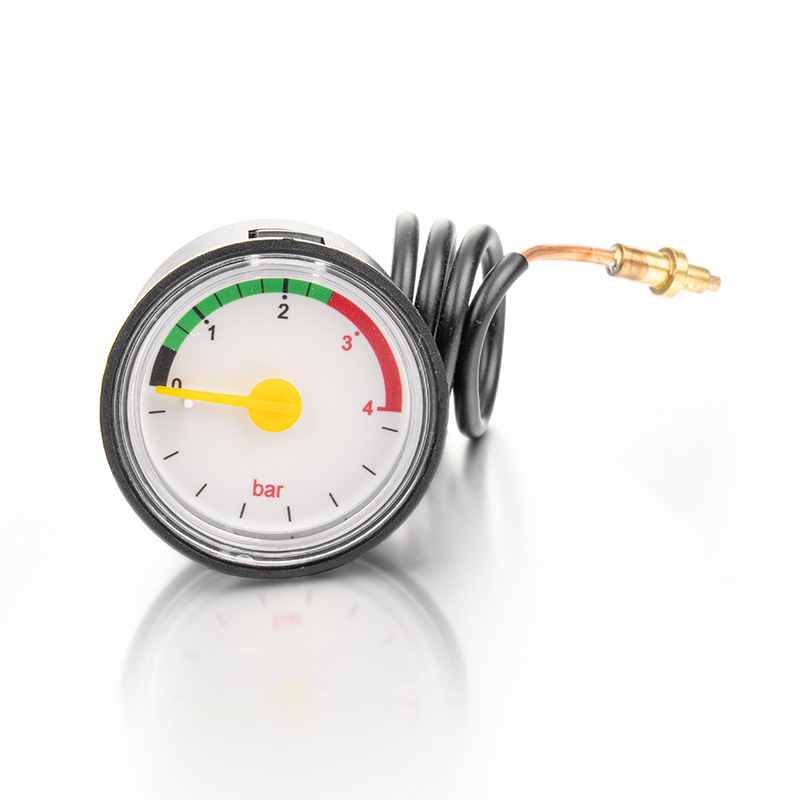
In the field of modern industrial manufacturing and environmental control, real-time monitoring of the physical state of systems is the core of ensuring production safety and efficiency. Especially the precise control of dual indicators of pressure and temperature is directly related to equipment operation life and energy consumption. By integrating HVAC Pressure Thermometer, digital temperature gauge, and air pressure thermometer, technical personnel can build a comprehensive monitoring system to provide reliable data support for complex working conditions.
In industrial fluid transmission and air handling systems, pressure and temperature are often physical variables that are causes and effects of each other. The application of HVAC Pressure Thermometer is not only to obtain values, but more importantly, to simultaneously capture the thermodynamic performance of the medium under specific pressure through dual-display or integrated sensing technology.
Traditional mechanical instruments are stable but their readings often lag in high-frequency fluctuation environments. The introduction of digital temperature gauge solves this pain point. Utilizing thermistor or thermocouple sensors, digital instruments can achieve millisecond-level response speeds and intuitively display tiny numerical fluctuations through LCD screens. This high-sensitivity monitoring plays a vital early warning role in preventing compressor overheating or pipeline overpressure.
In order to more intuitively understand the performance differences of different measurement components, the following table compares core equipment in typical industrial monitoring applications:
| Performance Indicators | HVAC Pressure Thermometer | digital temperature gauge | air pressure thermometer |
| Measurement Range | -40C to 200C / 0-600 psi | -50C to 300C | -20C to 120C / 0-1.0 MPa |
| Accuracy Class | +/- 1.5% FS | +/- 0.5% to +/- 1.0% | +/- 1.0% FS |
| Display Mode | Dial Scale or Digital | High Brightness LCD/LED | Analog Dial |
| Protection Level | IP65 | IP67 | IP54 |
| Power Supply | No Power or 24V DC | Battery or 4-20mA Loop | Pressure Driven/Mechanical |
| Response Speed | Medium | Extremely Fast | Fast |
When installing air pressure thermometer, the influence of the measurement point position on the accuracy of the value must be considered. Usually, the sensor probe should penetrate deep into the center area of the pipeline cross-section to avoid temperature deviation caused by wall effects. At the same time, for working conditions with severe vibration, it is recommended to use oil-filled shock-proof instruments, which can not only protect internal precision components but also effectively suppress pointer jumping to ensure consistency of readings.
The application of digital temperature gauge is more concentrated in scenarios requiring remote monitoring and data analysis. By outputting standard electrical signals, it can transmit field data to the control system in real time to achieve automatic compensation or over-limit shutdown. For large workshops or precision manufacturing plants, this digital monitoring method significantly reduces the error cost of manual inspection.
During long-term operation, HVAC Pressure Thermometer may lose measurement accuracy due to medium scaling or corrosion. Regular zero-point calibration is the top priority of maintenance work. If the instrument reading is found to be significantly inconsistent with the actual working conditions, focus on checking whether the sensing diaphragm is damaged or whether the capillary tube is kinked.
For air pressure thermometer, sealing is the prerequisite for its reliability. Leakage at the interface will not only cause the pressure reading to be low but may also introduce external interference signals. Using high-quality thread seals and adapters ensures that the sensor remains robust during complex pressure fluctuations.
In industrial air purification and cooling circulation systems, HVAC Pressure Thermometer plays the role of "nerve endings." By monitoring the pressure difference and temperature difference before and after the heat exchanger, technicians can accurately judge whether the filter element is clogged or whether the refrigerant charge is insufficient.
Combined with the accurate feedback of digital temperature gauge, the system can automatically adjust fan frequency or valve opening according to the real-time load. This operation strategy based on precise measurement data not only effectively improves the overall operation efficiency of the system but also significantly extends the maintenance cycle of the entire machine system by reducing unnecessary wear and tear of equipment. For production environments pursuing high reliability, choosing measurement instruments that meet relevant industry standards is the basis for building a robust industrial system.

+86-15105800222
+86-15105800333


Shuangtang Industrial Zone,Liuheng Town , Putuo District, Zhoushan City,Zhejiang Province,China
We will reply to you within 12 hours after receiving the inquiry on working days. Or, give us a call.
The information provided on this website is intended for use only in countries and jurisdictions outside of the People's Republic of China.
Copyright © Zhoushan Jiaerling Meter Co., Ltd. All Rights Reserved.
 Wholesale Pressure Gauge Factory
