 English
 中文简体
中文简体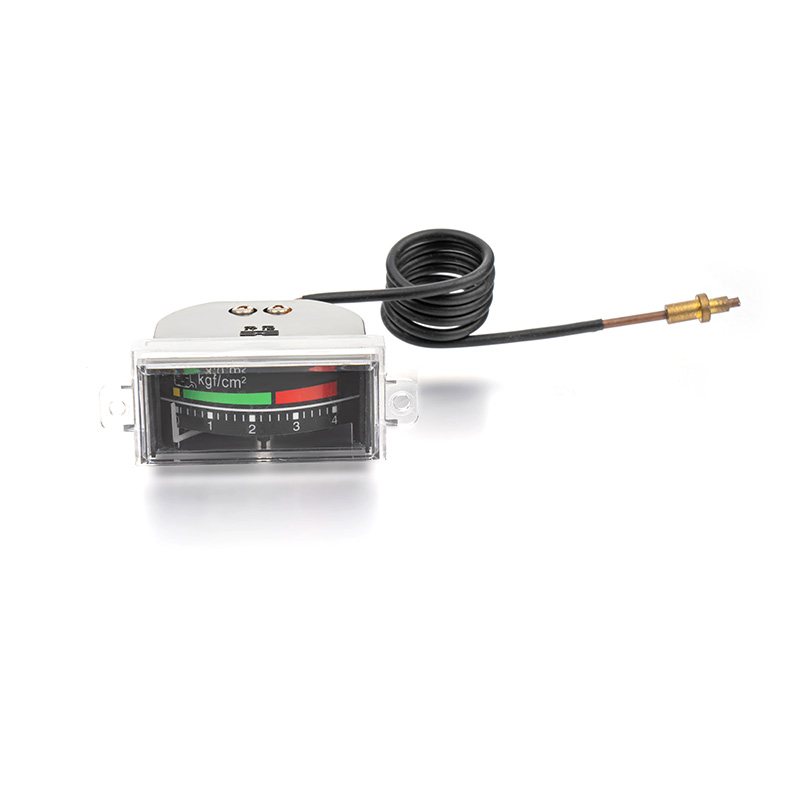


Call us
+86-15105800222
+86-15105800333


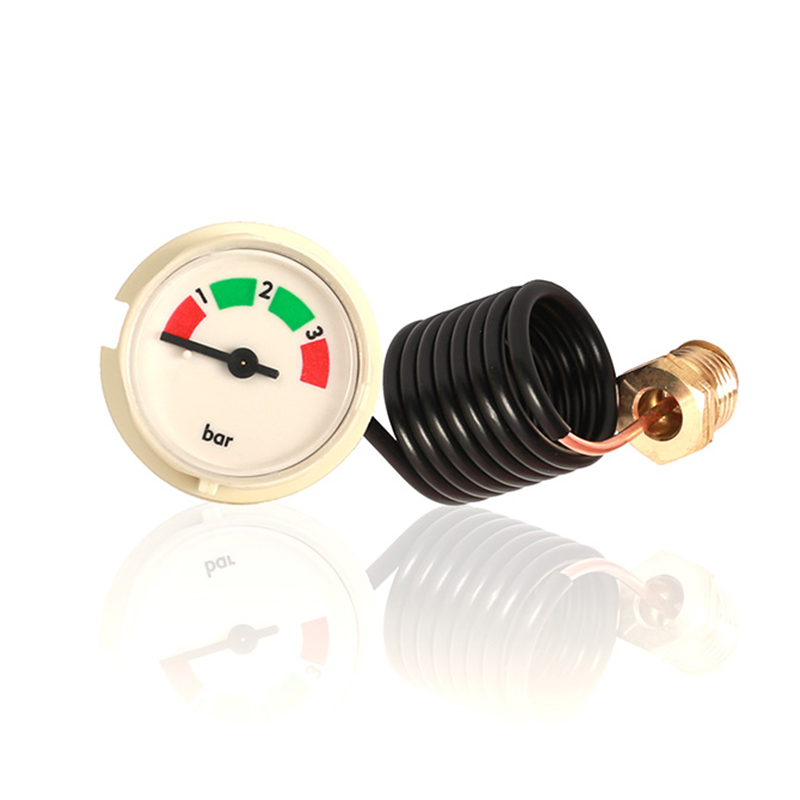
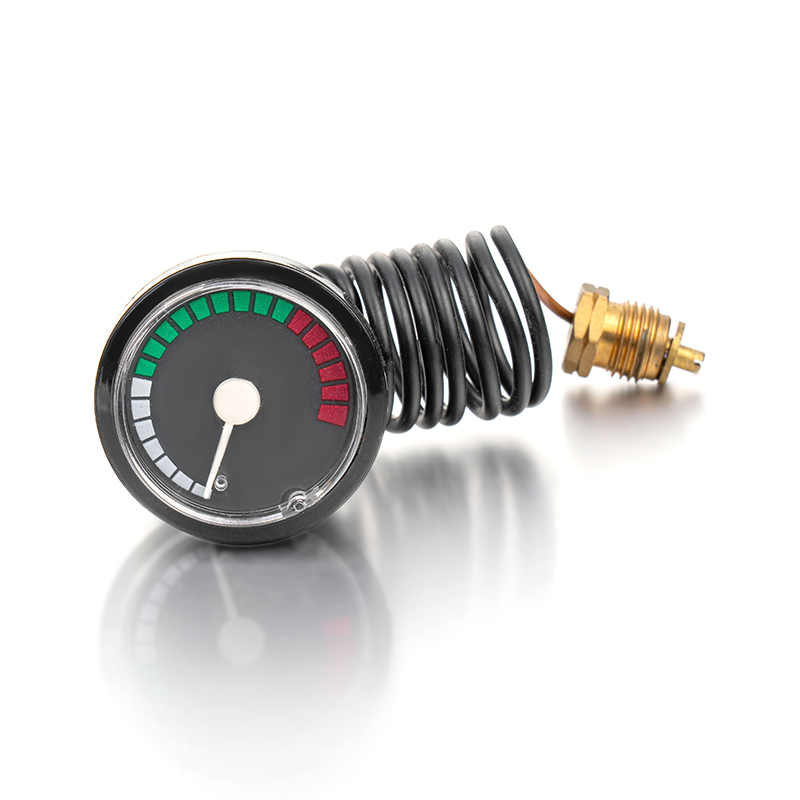
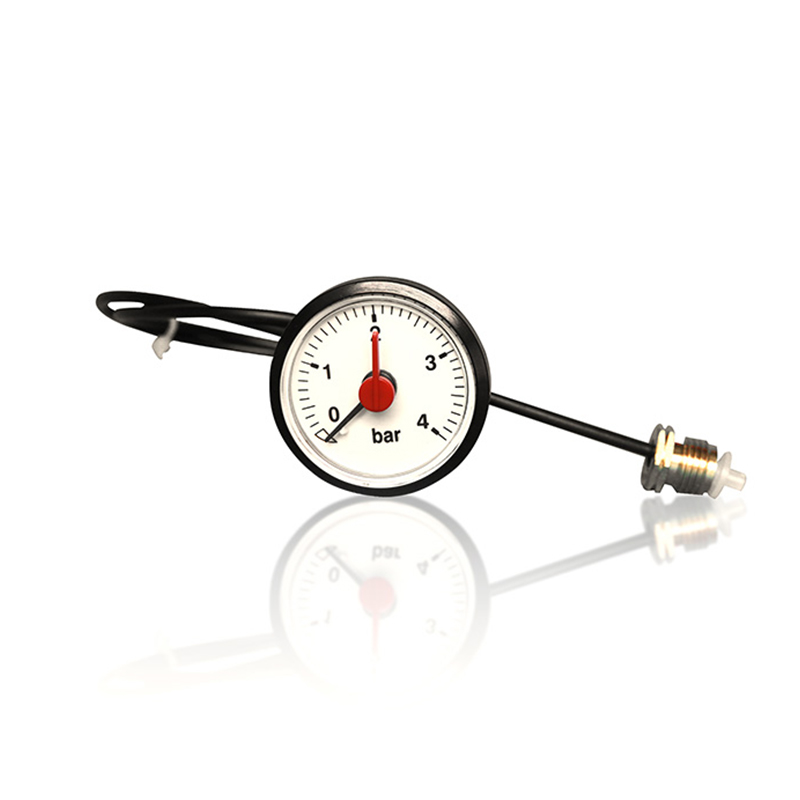
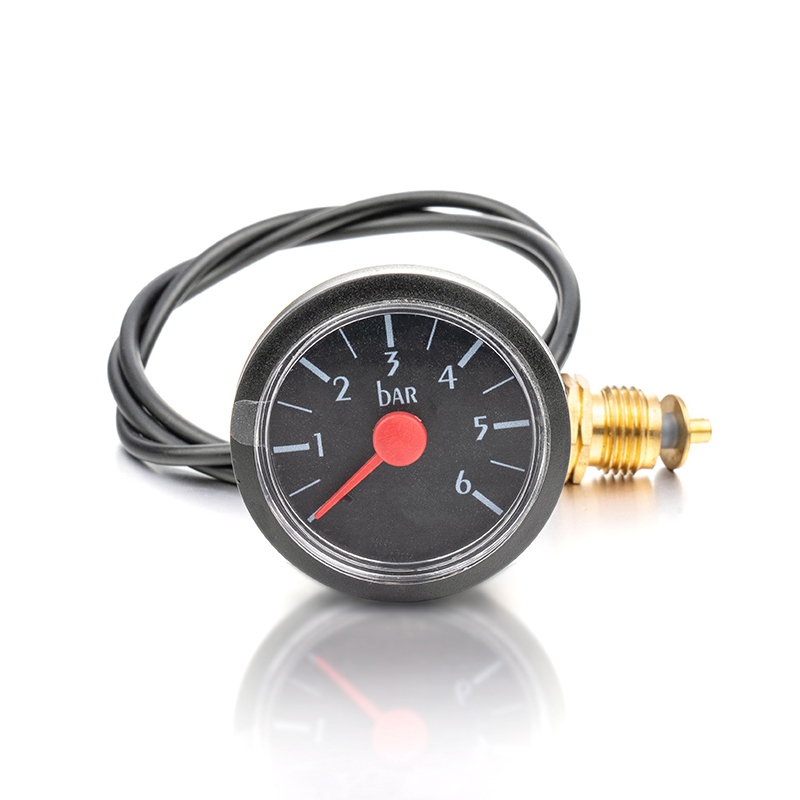
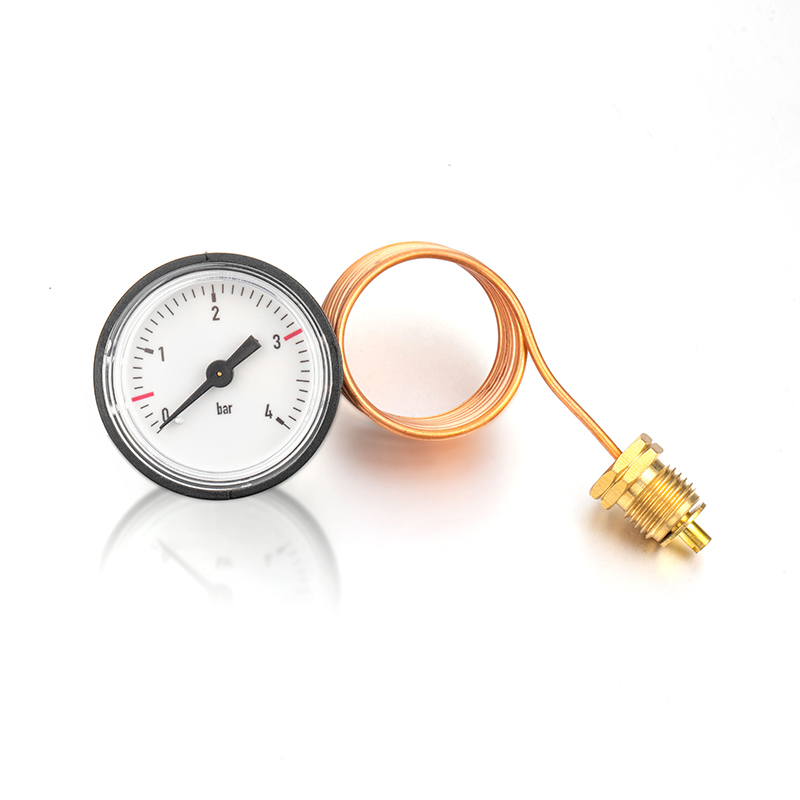
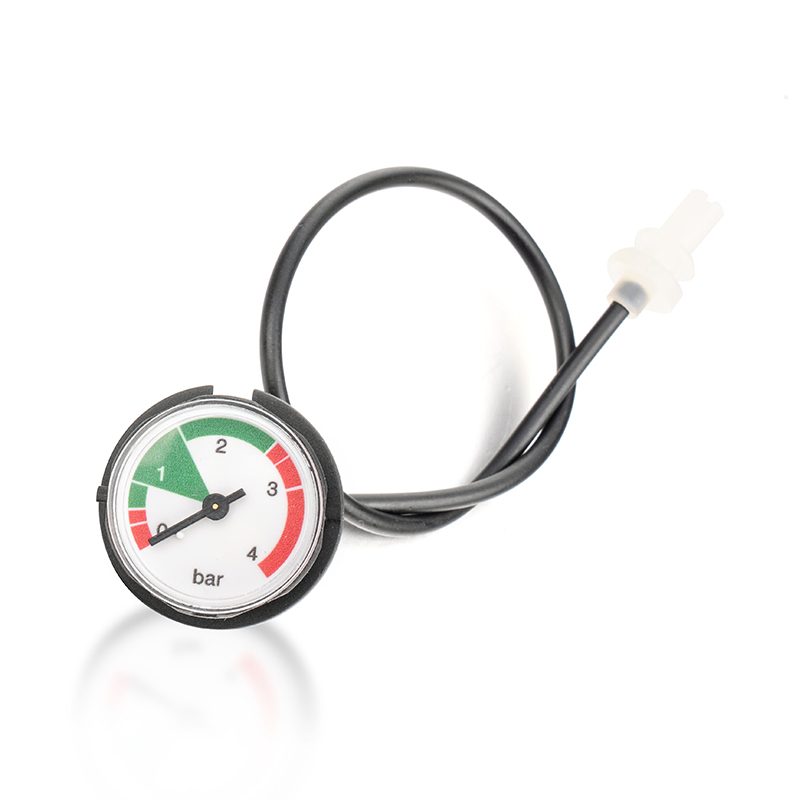
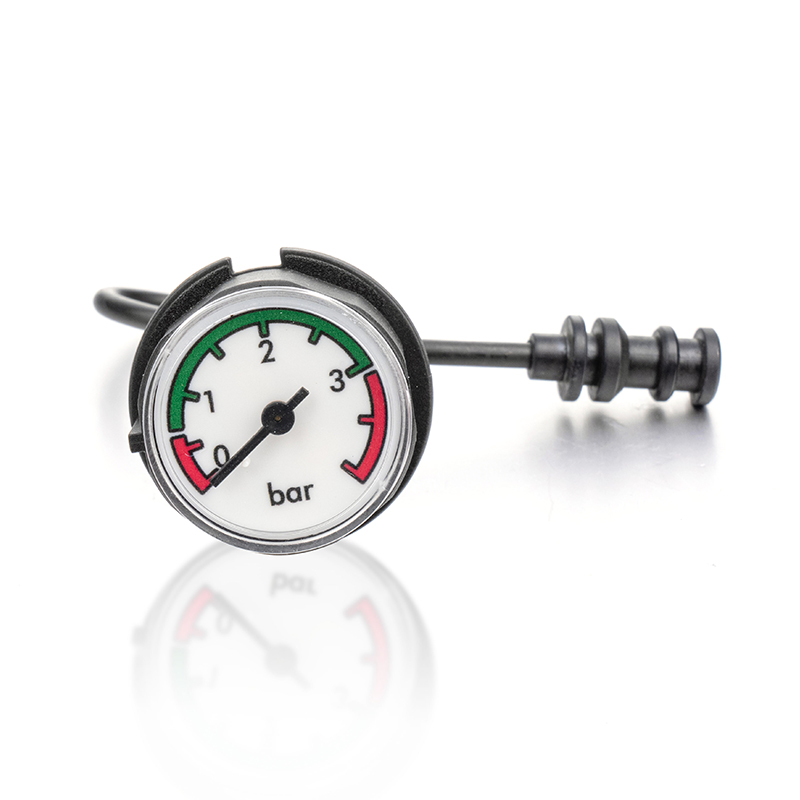
The pressure gauge in a water purifier is one of the key components used to monitor the operational status of the water purification system. It helps users track water flow pressure and determine whether the device is functioning properly. If the pressure gauge is damaged or fails, it not only affects system efficiency but also reduces water quality. Therefore, understanding the factors that can cause damage or failure of the pressure gauge can help users prevent issues and extend the device's lifespan.
Water quality is an important factor that affects the lifespan of the water purifier pressure gauge. If the water source contains large amounts of impurities, minerals, or chemicals, these substances may accelerate the clogging or corrosion of filters, increasing water flow pressure. Excessive pressure can cause long-term strain on the pressure gauge, leading to premature damage. In addition, corrosive substances in the water (such as chlorides, acids, etc.) can corrode the materials of the pressure gauge, causing it to fail. Therefore, poor water quality is one of the main causes of pressure gauge damage.
When a water purifier operates continuously under load, with excessive water flow or high resistance in the filtration system, the pressure gauge will remain under high pressure for extended periods. Long-term high pressure can cause fatigue in the internal components of the pressure gauge, leading to damage. This is particularly common when the water quality is poor or the filtration system is aging. Overloading the system causes the pressure gauge to become overwhelmed and eventually fail.
Internal leaks in the water purification system are another common cause of pressure gauge failure. If pipes, connectors, or seals become aged or damaged, they can cause unstable water flow, leading to pressure fluctuations. When a leak occurs, the water pressure will no longer remain consistent, affecting the accuracy of the pressure gauge and potentially causing damage. Leaks not only compromise the accuracy of the pressure gauge but also significantly reduce the efficiency of the water purifier.
The quality and manufacturing process of the pressure gauge are important factors affecting its lifespan. If a low-quality pressure gauge is used or the design and materials are substandard, it is more likely to fail. Poor-quality pressure gauges are highly sensitive to external environmental factors such as temperature changes, humidity, and vibration, which can cause malfunction. Additionally, inferior pressure gauges may develop leaks, corrosion, or other issues over time, leading to inaccurate readings. Choosing a high-quality, standard-compliant pressure gauge is crucial.
External environmental factors significantly affect the water purifier pressure gauge. High or low temperatures can cause the sensitive components of the pressure gauge to deform or malfunction. Extreme temperature fluctuations can cause the materials to expand or contract, affecting the accuracy of the readings. High humidity environments can also accelerate corrosion, leading to failure. It is important to avoid exposing the pressure gauge to extreme environmental conditions during installation and use.
Improper installation is a common cause of pressure gauge failure. If the pressure gauge is not installed in the correct location, it may fail to accurately monitor system pressure. For example, if the gauge is positioned too high or too low, its readings may be interfered with. Loose connections during installation may also lead to leaks or unstable pressure, which can affect the performance of the pressure gauge. It is essential to follow the installation instructions to ensure proper placement and secure connections.
During operation, mechanical shocks or vibrations can damage the pressure gauge. If the water purifier is unstable or internal vibrations are strong, the pressure gauge’s accuracy may be affected or it may break. Long-term vibration can cause the internal components of the pressure gauge to loosen or break, resulting in malfunction.
Water purifiers require regular maintenance, especially for the pressure gauge. Without periodic cleaning and upkeep, dirt may accumulate on the pressure gauge, affecting the accuracy of its readings. Regular checks and cleaning can extend the lifespan of the pressure gauge. Furthermore, failing to replace aging or damaged filters and seals may lead to abnormal system pressure, further affecting the performance of the pressure gauge.
Improper use is another major reason for the damage of the water purifier pressure gauge. Over-adjusting the pressure gauge, frequently operating the water purifier's switches, or forcing the purifier to run while malfunctioning can increase the pressure gauge’s load, causing it to fail. Proper use and operation of the water purifier can prevent pressure gauge damage and improve overall system performance.

+86-15105800222
+86-15105800333


Shuangtang Industrial Zone,Liuheng Town , Putuo District, Zhoushan City,Zhejiang Province,China
We will reply to you within 12 hours after receiving the inquiry on working days. Or, give us a call.
The information provided on this website is intended for use only in countries and jurisdictions outside of the People's Republic of China.
Copyright © Zhoushan Jiaerling Meter Co., Ltd. All Rights Reserved.
 Wholesale Pressure Gauge Factory
