 English
 中文简体
中文简体
Call us
+86-15105800222
+86-15105800333


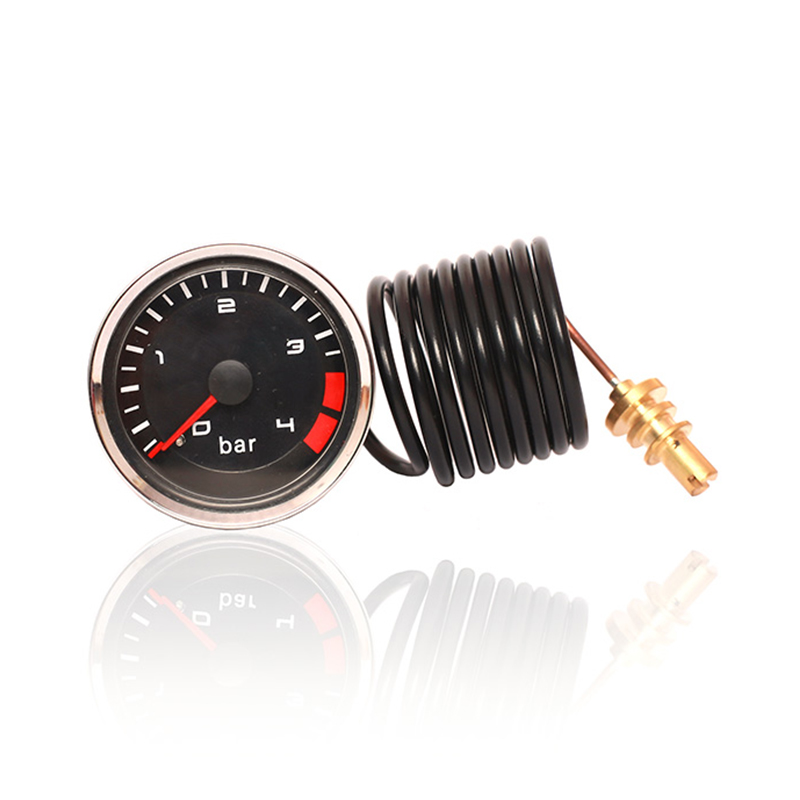
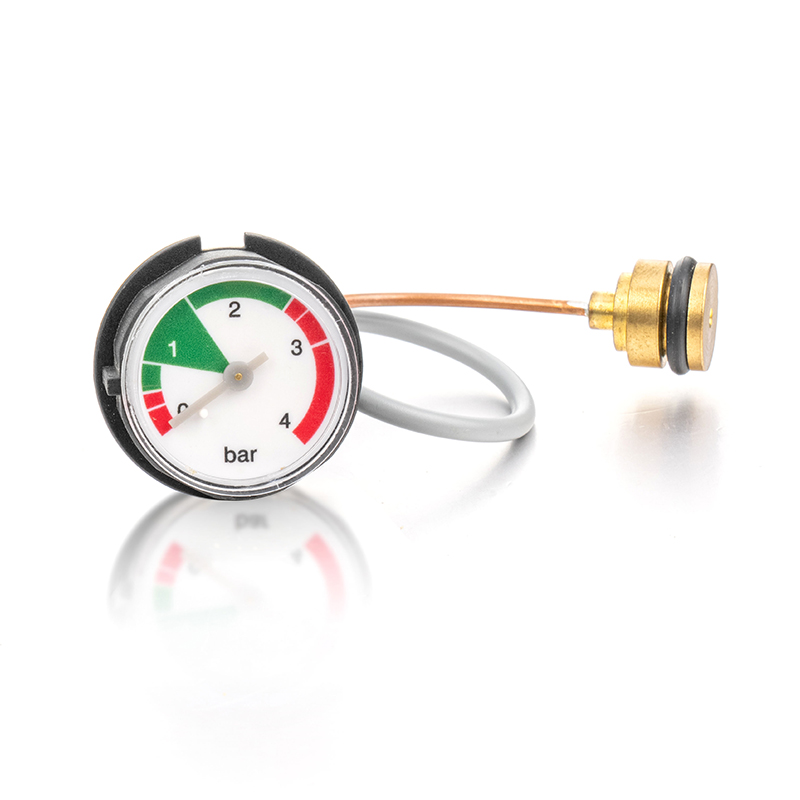
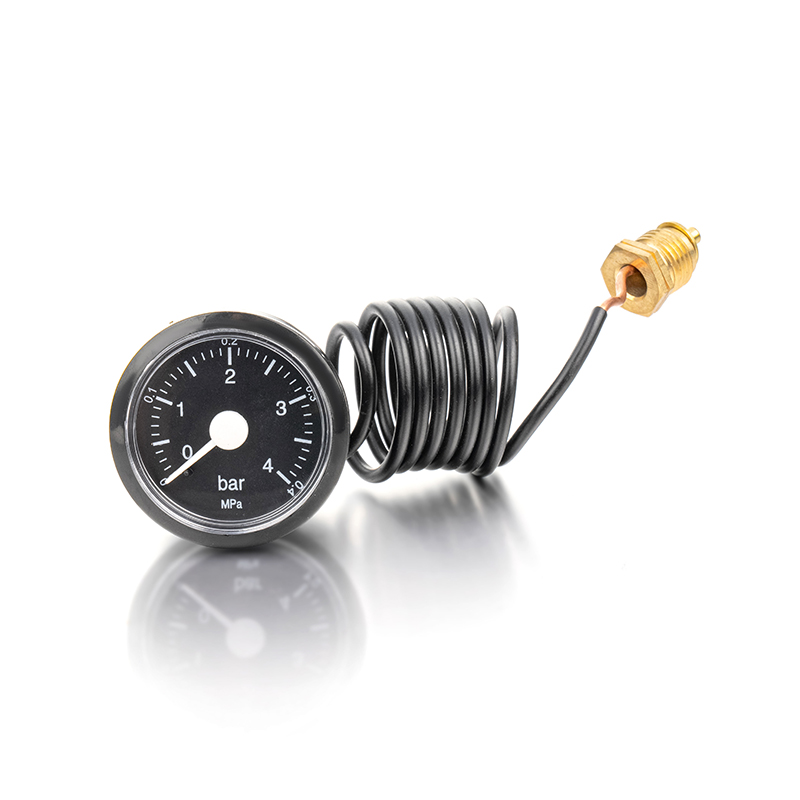
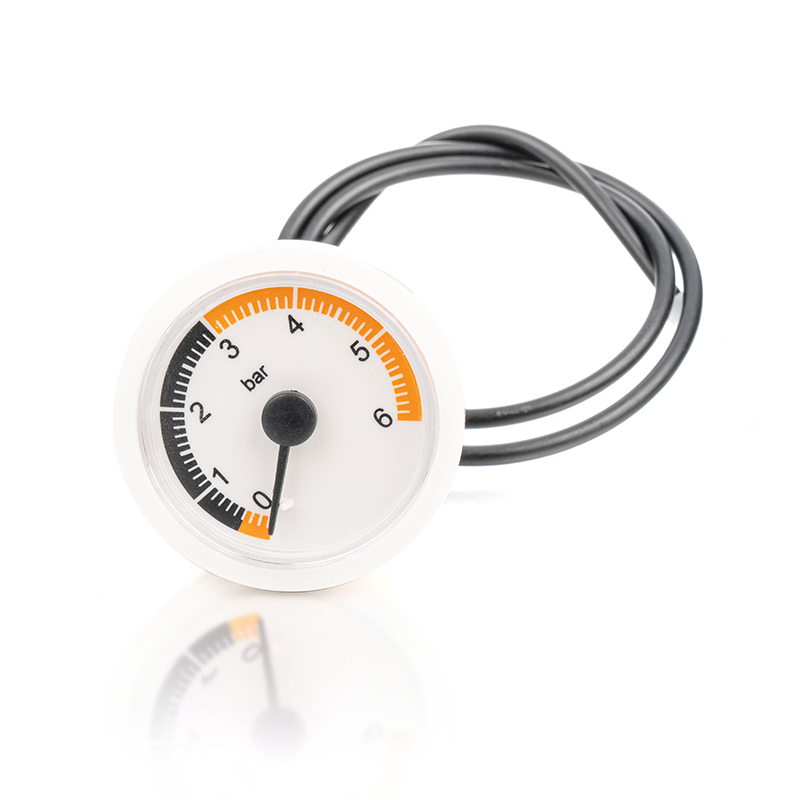
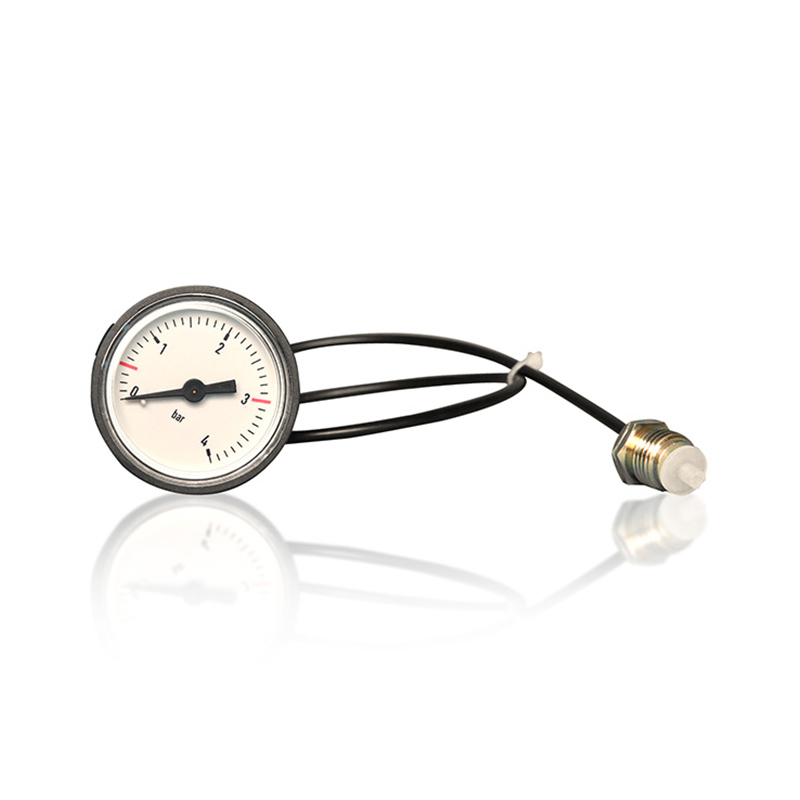
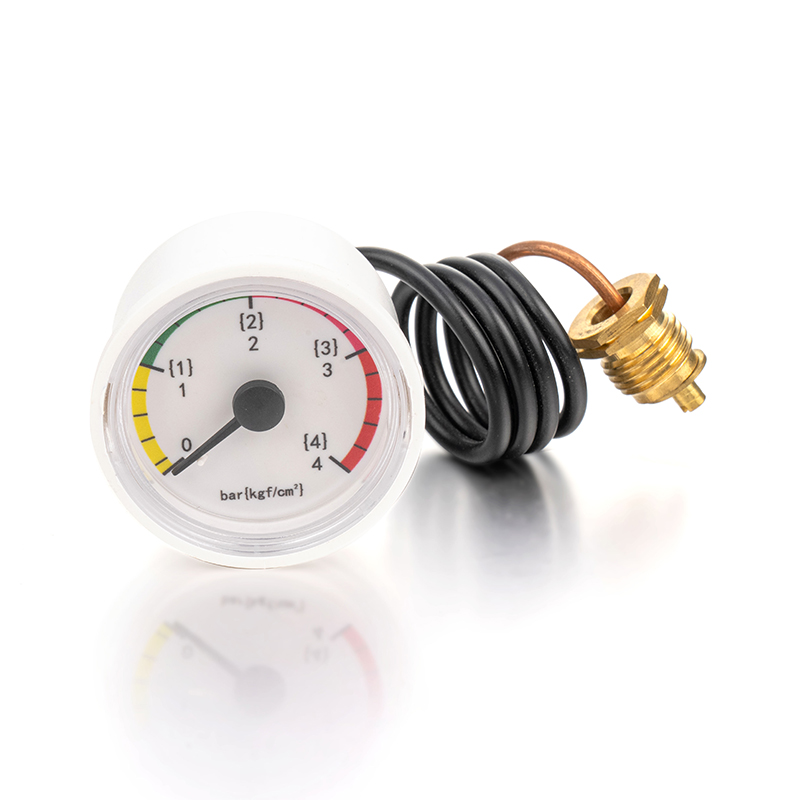
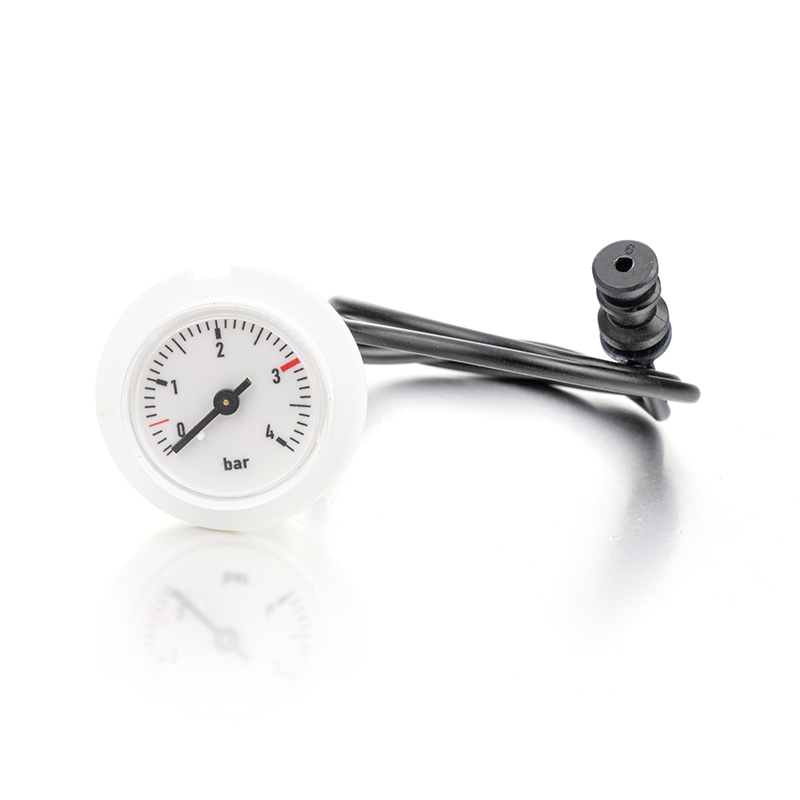
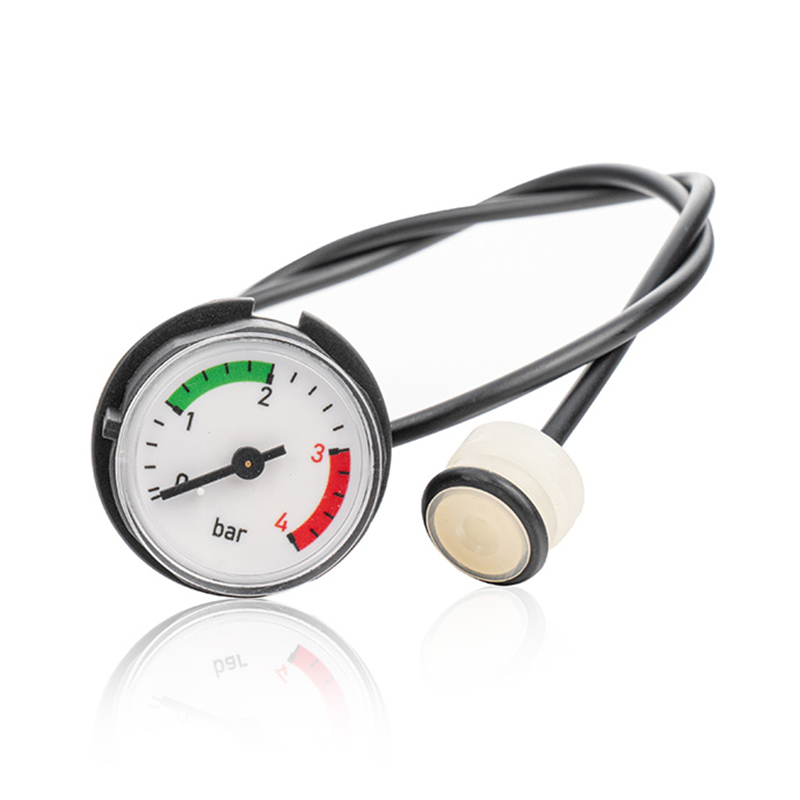
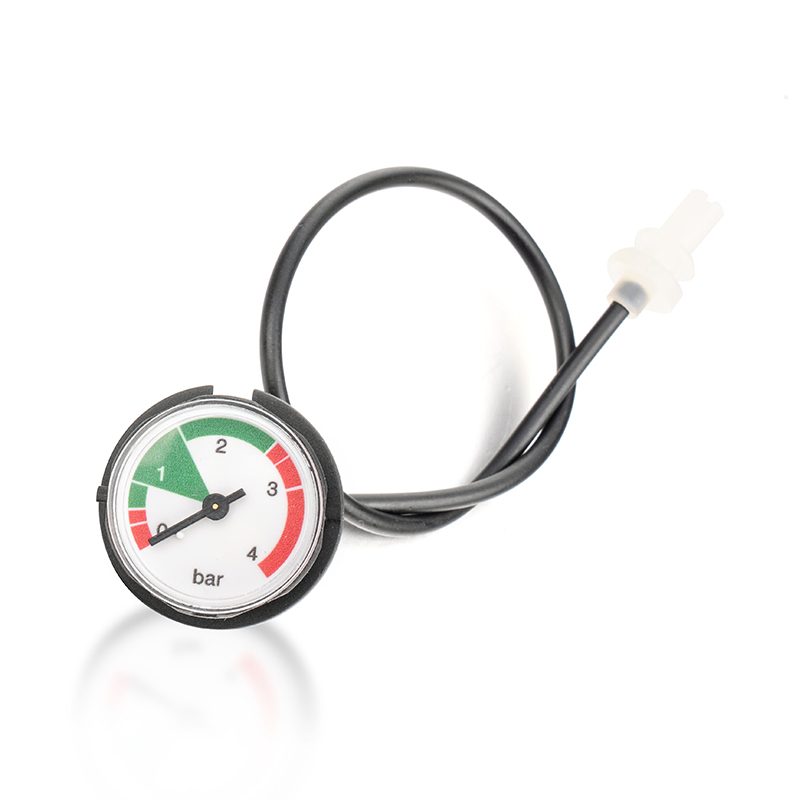
The pressure gauge of a water purifier is an important tool used to measure the water pressure in the system. In water purifiers, the pressure gauge is typically used to monitor water flow, helping to determine if the system is functioning normally. The pressure changes as water flows through filters, RO membranes, and other components, directly affecting the purifier's performance. Therefore, regular monitoring of the pressure gauge readings is key to ensuring the water purifier is working efficiently.
1. Changes in Water Quality
Changes in water quality directly impact the pressure gauge readings. If the water contains a lot of impurities, the filters may become clogged, increasing the flow resistance and causing abnormal readings on the pressure gauge. On the other hand, if the water source is too clean, the filter may have a longer lifespan, leading to smoother water flow and lower pressure readings.
2. Condition of the Filter
The filter is one of the core components of the water purifier, and changes in its resistance directly affect system pressure. Filters that haven't been replaced for a long time may become clogged, increasing the water flow resistance and raising the pressure gauge reading. If the filter is aging or clogged, the system's pressure will rise, and the pressure gauge will show abnormal readings.
3. Condition of the Water Pump
The water pump is a key component that provides water pressure in a purifier. If the pump malfunctions, it can cause the system's pressure to become too low or too high, resulting in abnormal readings on the pressure gauge. Normally, the water pump should run steadily, and any unusual noise or lack of water flow indicates a potential issue with the pump, affecting the pressure gauge reading.
4. Clogging or Leakage in Pipes
If the pipes in the water purifier system are clogged or leaking, it can cause the pressure gauge to show abnormal readings. Clogging leads to insufficient water flow, raising the pressure, while leakage causes water pressure to drop. Therefore, checking for blockages or leaks in the pipes is a necessary step to ensure the pressure gauge is working properly.
1. Observe the Pressure Gauge Readings
The pressure gauge on a water purifier typically fluctuates within a standard working pressure range. If the reading is clearly too low or too high, it suggests there may be a problem with the system. For example, the normal working pressure of an RO membrane should be between 50-80 PSI. If it exceeds this range, the system may have a fault.
2. Compare with the User Manual
Each water purifier model has its own specific working pressure range. By checking the user manual, you can determine the normal operating pressure range. If the pressure gauge reading exceeds this range, further inspection is needed to identify potential issues such as filter clogging, pump malfunction, or pipe problems.
3. Regular Checks and Calibration
To ensure the accuracy of the pressure gauge, regular checks and calibration are important. After long-term use, the pressure gauge's accuracy may decrease. It's recommended to calibrate the pressure gauge periodically to ensure reliable readings.
4. Monitor Water Flow Changes
Changes in water flow can also help determine if the pressure gauge is functioning properly. After a period of use, the water flow should remain relatively stable. If the flow suddenly decreases and the pressure gauge reading increases, it indicates there may be a blockage in the filter or pipes, affecting the system's performance.
5. Check for Pressure Fluctuations
The pressure gauge reading should remain stable during operation. Frequent fluctuations in pressure without obvious reasons could indicate a malfunction in the pressure gauge or issues within the system components.
1. No Pressure Gauge Reading
This situation usually occurs when the pressure gauge itself malfunctions, or there is insufficient water flow in the system to generate pressure. In this case, check whether the water pump is working normally or if there is a leak in the pipes.
2. Frequent Pressure Gauge Fluctuations
If the pressure gauge reading fluctuates rapidly in a short period, it may indicate a malfunctioning component inside the purifier, such as the pump, filter, or leaks in the system.
3. Pressure Gauge Showing Too High or Too Low Readings
When the pressure gauge shows readings that are too high or too low, the system is likely not functioning properly. A high reading typically indicates filter clogging or an overloaded pump, while a low reading suggests water flow issues due to pump failure or pipe leakage.

+86-15105800222
+86-15105800333


Shuangtang Industrial Zone,Liuheng Town , Putuo District, Zhoushan City,Zhejiang Province,China
We will reply to you within 12 hours after receiving the inquiry on working days. Or, give us a call.
The information provided on this website is intended for use only in countries and jurisdictions outside of the People's Republic of China.
Copyright © Zhoushan Jiaerling Meter Co., Ltd. All Rights Reserved.
 Wholesale Pressure Gauge Factory
