 English
 中文简体
中文简体



Call us
+86-15105800222
+86-15105800333


In HVAC systems, thermometers are essential devices for monitoring and controlling system temperatures. Common types of thermometers include square capillary thermometers and digital thermometers, each with different installation methods. Understanding the differences in their installation can help users choose the appropriate device and ensure stable system performance. This article will discuss the installation differences between HVAC square capillary thermometers and digital thermometers from a professional perspective, helping you make a more accurate choice.
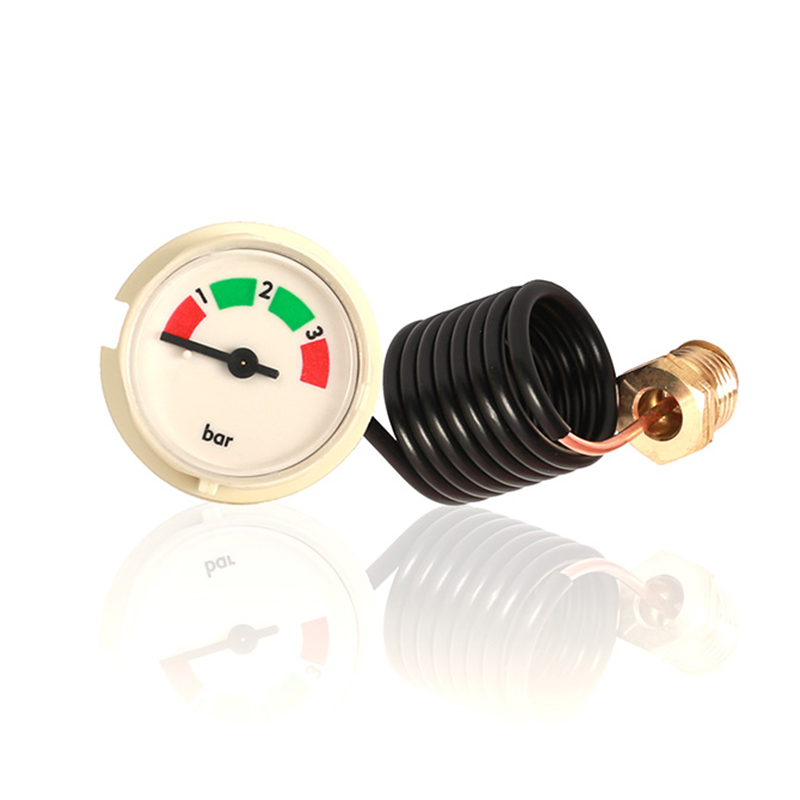
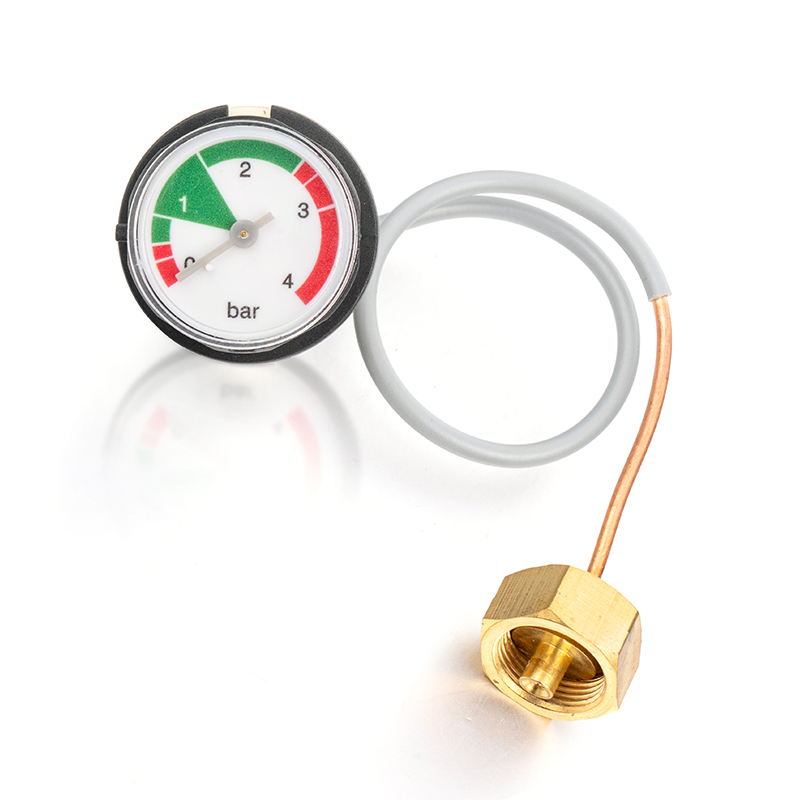
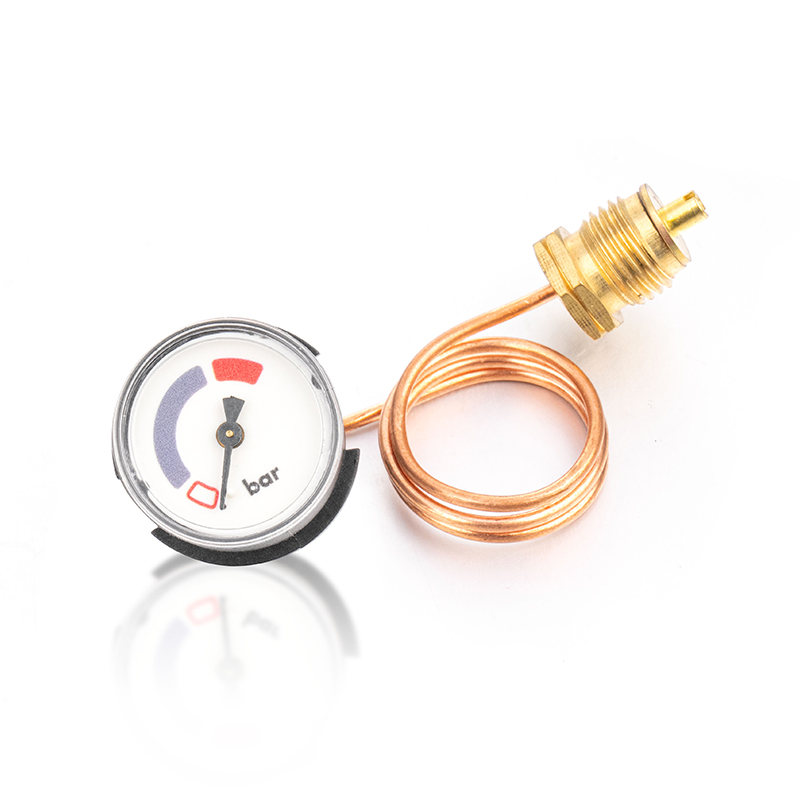
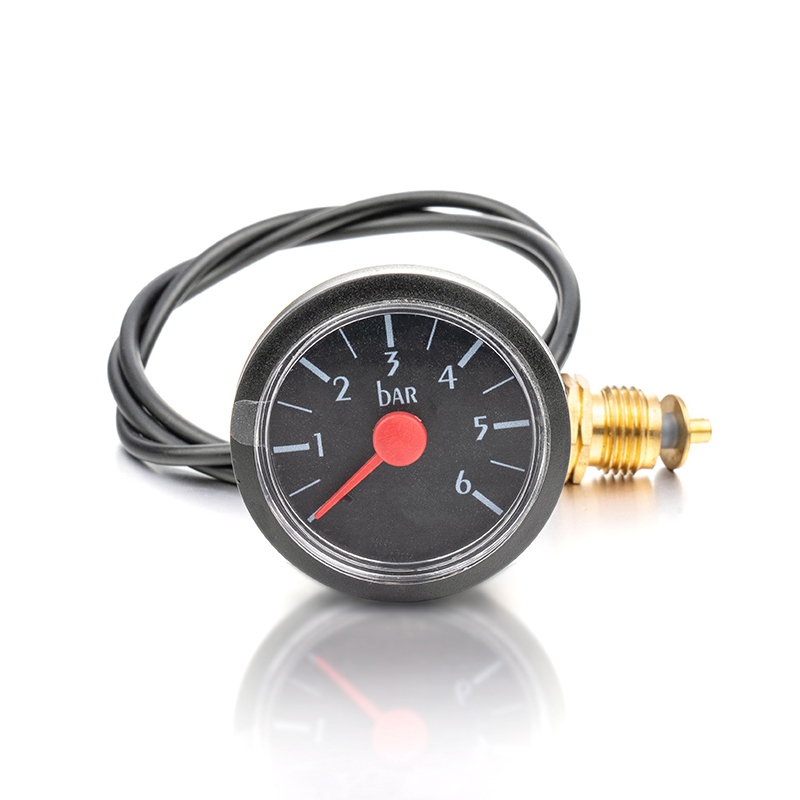
Square capillary thermometers typically consist of a temperature-sensing tube, a capillary tube, and a pointer dial. The working principle involves the liquid or gas inside the capillary tube expanding or contracting with temperature changes, driving the pointer to indicate the corresponding temperature value. The installation process for this type of thermometer is relatively simple but requires proper placement to ensure accurate readings.
The installation location of the square capillary thermometer is crucial. It is typically installed in areas where there is a significant temperature change, such as on the air conditioning or refrigeration equipment, or near the system’s intake and outlet vents, condensers, and evaporators. The installation site should avoid excessive vibrations and direct heat sources, as these can affect measurement accuracy.
The installation angle of the square capillary thermometer must be appropriate to avoid obstruction to the flow of liquid or gas inside the capillary tube. The thermometer should generally be installed vertically to ensure the free flow of the liquid in the capillary tube, which is essential for the speed and accuracy of the temperature readings.
The temperature-sensing tube is typically connected to the HVAC system’s pipeline using connectors or threaded fittings. During installation, it is important to ensure that the connection between the temperature-sensing tube and the pipe is secure to avoid air or water leaks. The diameter of the pipe and the interface of the sensing tube should be compatible to ensure proper sealing.
Unlike square capillary thermometers, digital thermometers use electronic sensors (such as thermocouples or RTDs) to measure temperature, with the temperature readings directly displayed on a digital screen. Due to their electronic nature, the installation of digital thermometers is more complex but offers greater flexibility and precision.
The location of the sensor in a digital thermometer is similar to that of a square capillary thermometer and should be installed in areas with significant temperature fluctuations. The sensor is typically mounted on the surface of pipes, particularly in air conditioning and refrigeration systems. The sensor should be placed where fluid or gas flow is present to accurately reflect temperature changes.
Unlike square capillary thermometers, digital thermometers require a power source. When installing a digital thermometer, it is important to ensure stable power supply. Most digital thermometers use batteries or external power sources. During installation, it is necessary to verify that the power input type matches the thermometer's power requirements and maintain stable power throughout its use.
Digital thermometers typically have a sensor connected to a display unit via signal wires. During installation, it is important to ensure that the signal wire is free from external interference to prevent inaccurate temperature readings. The installation of the signal wire must also avoid high current, electromagnetic interference sources, or any other devices that could disrupt signal transmission.
Digital thermometer sensors are generally fixed using clamps, screws, or other mechanical connections to ensure that the sensor is in good contact with the pipe surface. It is important to keep the sensor’s contact surface clean to ensure good thermal contact and accurate readings.
Installing a square capillary thermometer is relatively simple, requiring only the connection of the temperature-sensing tube to the pipe and ensuring contact with the pipe surface. On the other hand, the installation of digital thermometers is more complex, involving power supply connection, signal wire setup, and ensuring stable signal transmission between the sensor and display unit.
Due to the electronic sensors used in digital thermometers, their installation locations are more flexible compared to square capillary thermometers. Digital thermometers can be installed at a distance from the sensor, with temperature data transmitted to a remote display unit via signal wires. Square capillary thermometers must be installed on the pipeline and usually need to be placed near areas with significant temperature changes.
Square capillary thermometers typically have a slower response time, especially in rapidly changing temperature conditions, and may not reflect temperature changes immediately. Digital thermometers, in contrast, offer faster response times and are able to provide real-time, accurate temperature readings, making them more suitable for modern HVAC systems that require high-precision temperature control.
Square capillary thermometers typically do not require additional batteries or external power sources, making their maintenance costs lower and their lifespan longer. However, mechanical components may wear out over time and require regular checking and calibration. Digital thermometers, while offering higher precision, use electronic components that may require periodic battery replacements or electrical inspections.

+86-15105800222
+86-15105800333


Shuangtang Industrial Zone,Liuheng Town , Putuo District, Zhoushan City,Zhejiang Province,China
We will reply to you within 12 hours after receiving the inquiry on working days. Or, give us a call.
The information provided on this website is intended for use only in countries and jurisdictions outside of the People's Republic of China.
Copyright © Zhoushan Jiaerling Meter Co., Ltd. All Rights Reserved.
 Wholesale Pressure Gauge Factory
