 English
 中文简体
中文简体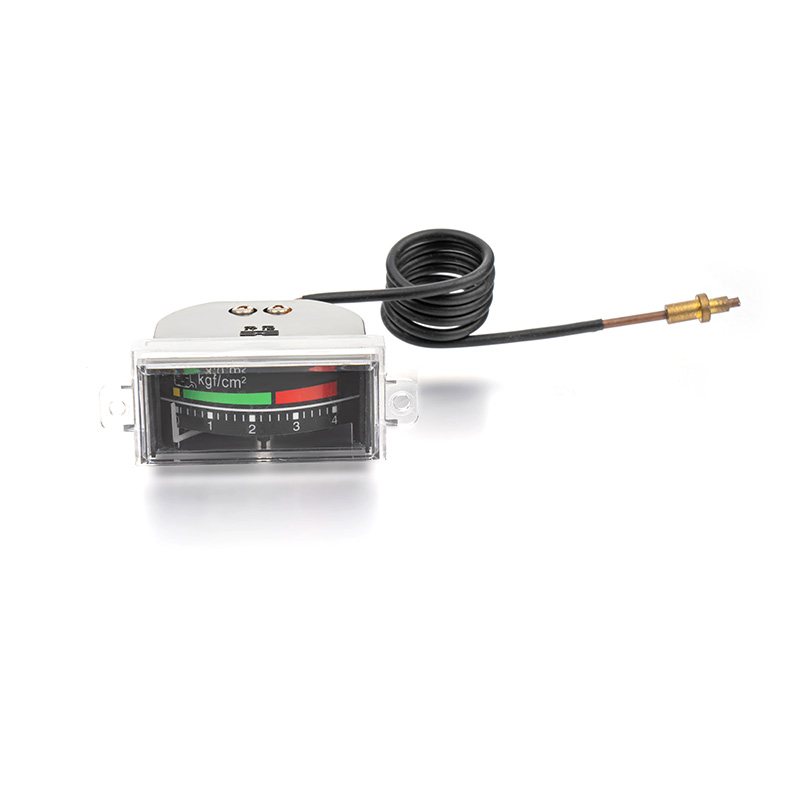



Call us
+86-15105800222
+86-15105800333


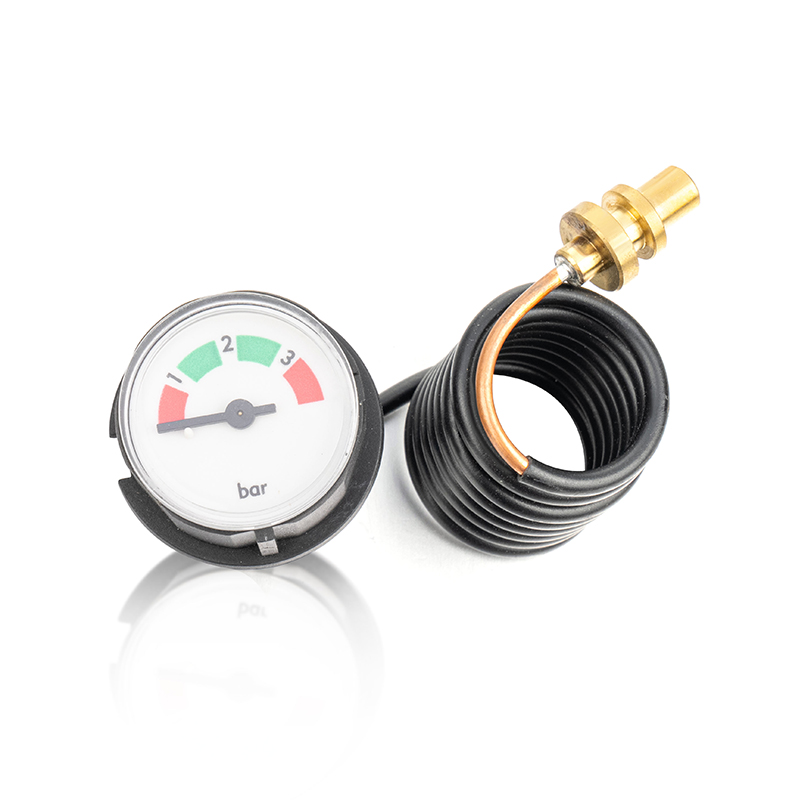
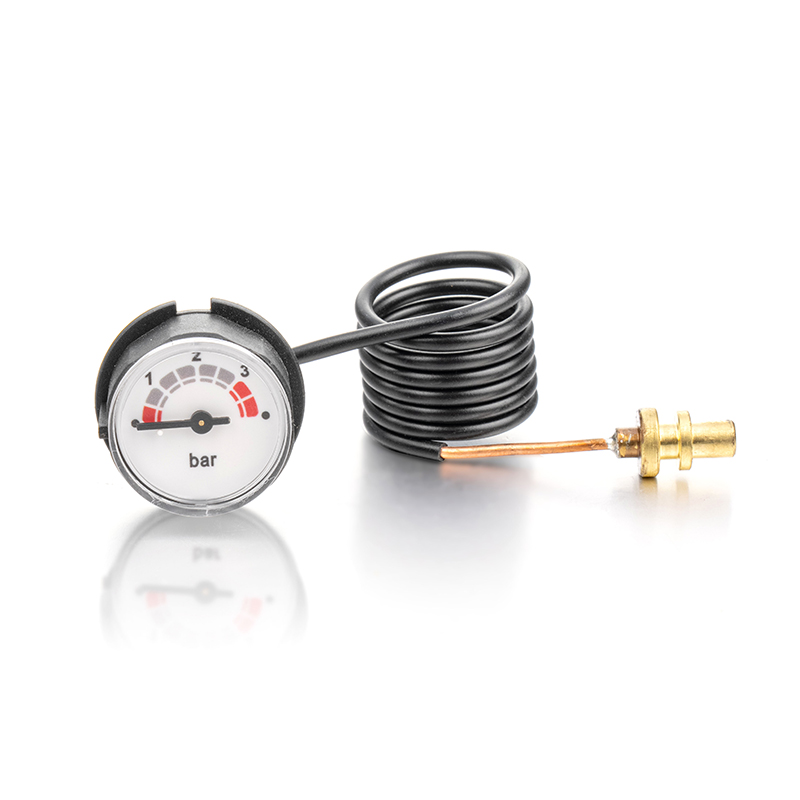
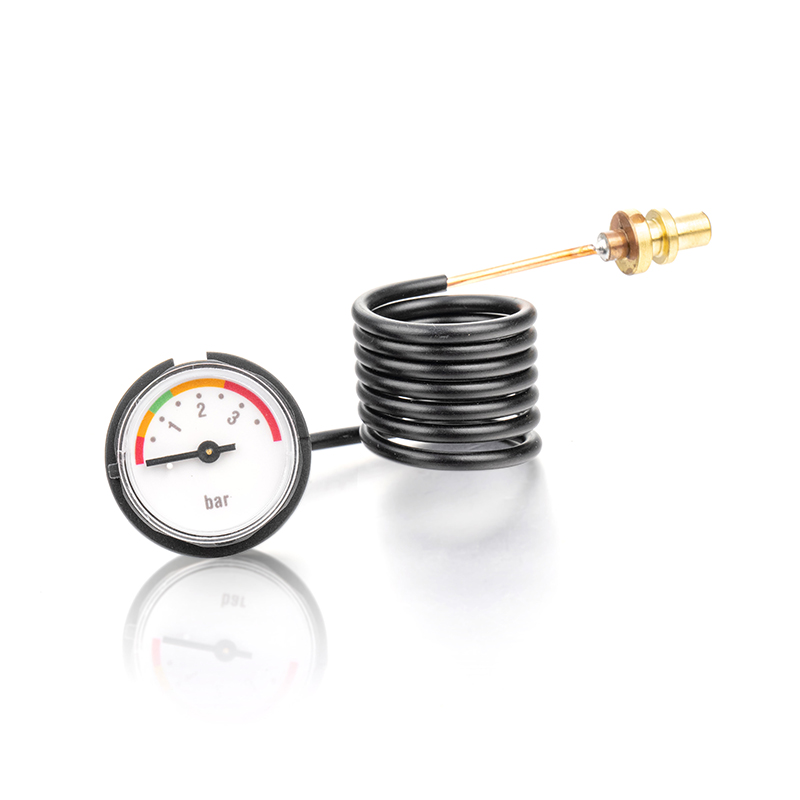
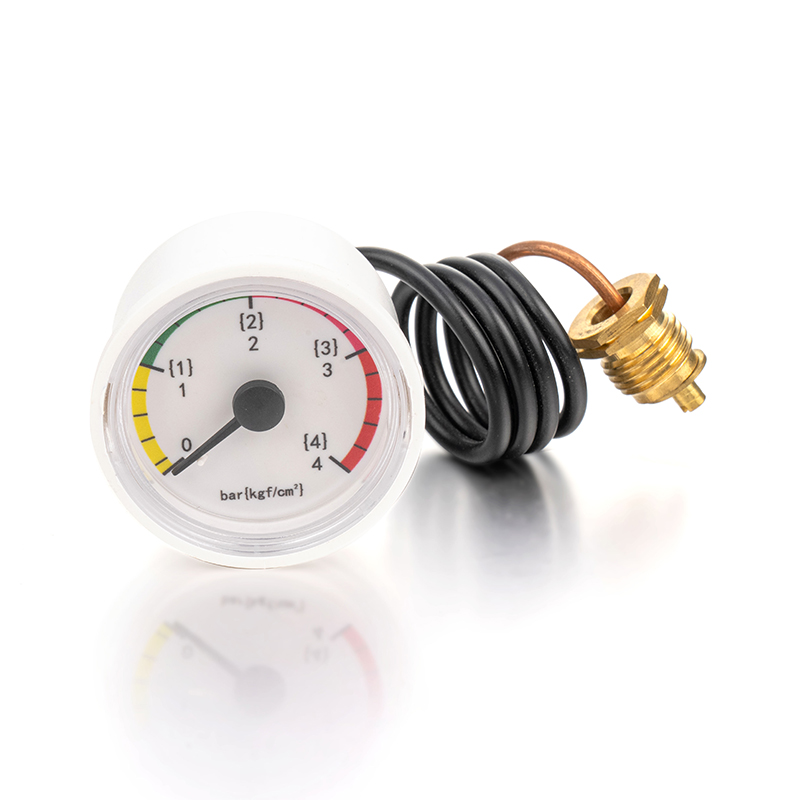
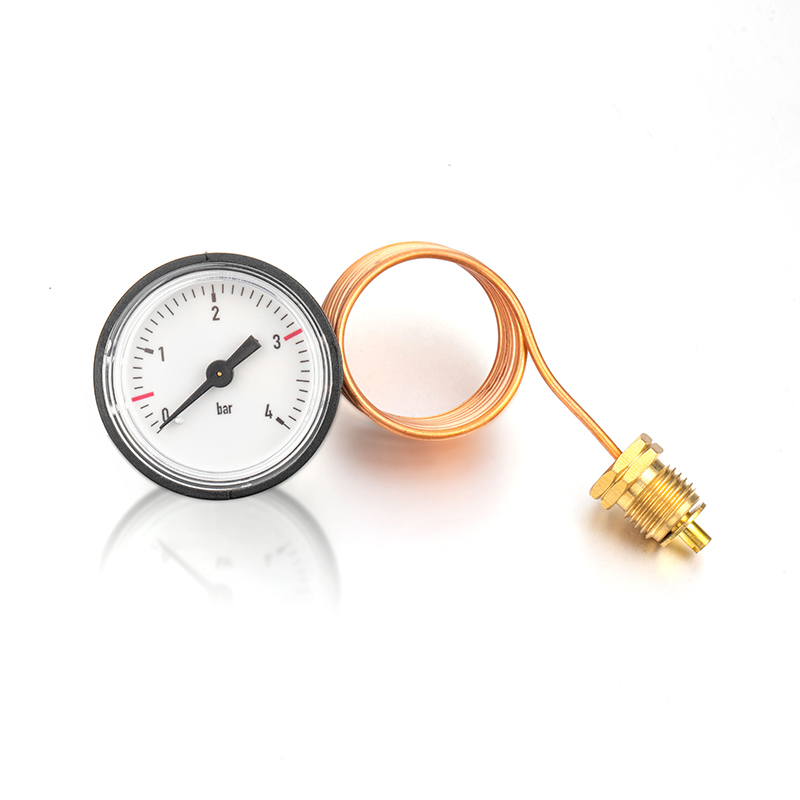
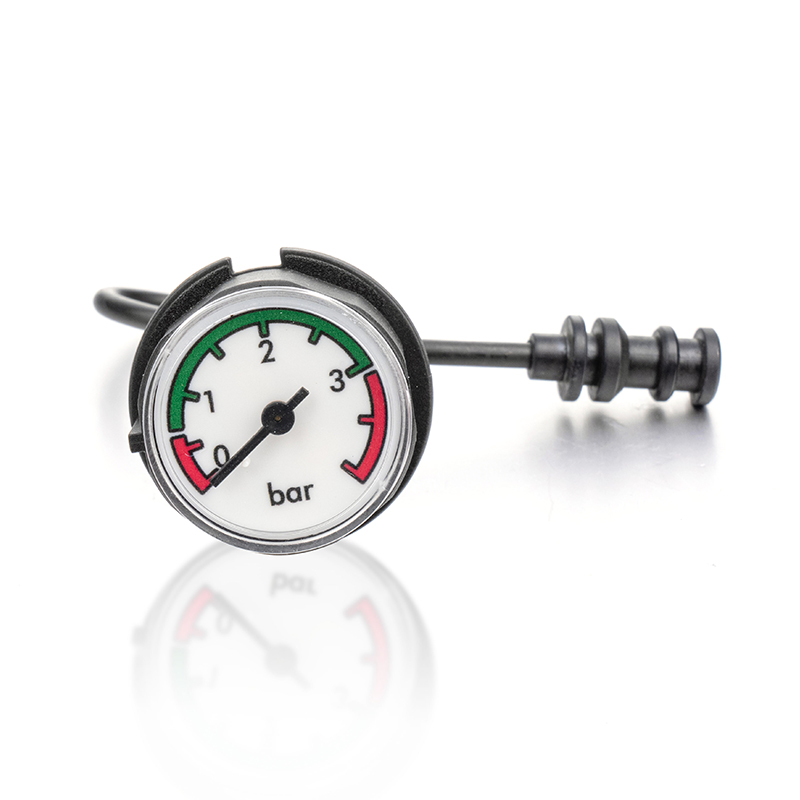
In the field of modern building environment control, ensuring the efficient operation of Heating, Ventilation, and Air Conditioning (HVAC) systems is not only about energy consumption, but also directly affects the stability of the indoor environment. Among these, the HVAC pressure thermometer serves as a critical sensor component for system monitoring, undertaking the core task of real-time collection of pressure and temperature data for refrigerant loops and water circulation systems. Through precise measurement of these physical quantities, maintenance personnel can accurately judge the system load status and timely prevent equipment failures caused by pressure abnormalities or temperature fluctuations.
The design core of the HVAC pressure thermometer lies in the high-sensitivity conversion of weak physical pressure signals and temperature sensing signals. In chilled water circulation or refrigerant piping, pressure sensors usually adopt piezoresistive or capacitive measurement technologies, capable of withstanding long-term high-frequency pulse pressure fluctuations; while temperature probes mostly use high-precision thermistors or platinum resistors (Pt1000/Pt100) to ensure linear temperature feedback over a wide operating range.
To meet industrial-grade applications, these instruments usually possess extremely high response speeds. In dynamically changing load environments, the HVAC pressure thermometer must capture instantaneous changes in fluid working media within millisecond-level time, thereby providing reliable execution basis for controllers. For example, in water chillers, by monitoring the water temperature difference and pressure drop between the inlet and outlet of the evaporator in real time, the system can automatically adjust the frequency of chilled water pumps to achieve energy saving and consumption reduction goals.
In engineering applications, selecting the appropriate HVAC pressure thermometer requires consideration of multiple core technical indicators. The following are common performance parameter comparisons to assist technical personnel in making more precise configurations:
| Technical Indicator | Pressure Measurement Component | Temperature Measurement Component |
| Range | -0.1 ~ 4.0 MPa | -40℃ ~ +150℃ |
| Accuracy | ±0.5% F.S. | ±0.2℃ |
| Response Time | < 10 ms | < 2 s (fluid immersion) |
| Output Signal | 4-20 mA / RS-485 | 4-20 mA / Modbus |
| Protection Level | IP65 / IP67 | IP66 |
| Overload Pressure | 150% - 200% F.S. | Not applicable |
During the actual selection process, if the application scenario involves highly corrosive refrigerants or high-velocity operating conditions, the interface material of the HVAC pressure thermometer usually chooses 316L stainless steel and is equipped with a vibration-resistant structure to prevent measurement deviations or mechanical damage caused by pipe resonance.
The real-time data flow provided by the HVAC pressure thermometer is the first line of defense for fault early warning. When pressure abnormalities or temperature surges occur in the system, combined with pressure-temperature relationship curves, technical personnel can quickly locate the problem. For example, if the temperature difference between the inlet and outlet water of the condenser is small, and an abnormally high condensation pressure is monitored, it usually means that the heat exchange surface of the condenser has serious scaling or clogging. At this time, the data collected by the HVAC pressure thermometer can accurately quantify the impact of the scale layer on heat exchange efficiency, thereby determining the cleaning time.
In addition, in variable frequency drive control systems, the signal fed back by the HVAC pressure thermometer is the core input for closed-loop control. If the measured value drifts, it will directly cause the water chiller or terminal fan coil unit to be unable to maintain the set temperature, thereby causing discomfort to the user side. Therefore, regular calibration and state verification of the instruments are necessary steps to maintain the long-term stability of the HVAC system.
The installation position is crucial to the measurement accuracy of the HVAC pressure thermometer. It is recommended to install the device on a straight pipe section with low turbulence and stable flow velocity, and avoid areas such as valves or elbows that may generate cavitation or turbulence. At the same time, ensure that the temperature sensing element is fully exposed to the center of the fluid flow. In outdoor installation environments, the HVAC pressure thermometer must have excellent UV resistance and waterproof performance, and anti-freezing protection measures must be taken to ensure that it can still output accurate pressure and temperature signals in cold seasons, supporting the intelligent and smooth switching of HVAC systems.

+86-15105800222
+86-15105800333


Shuangtang Industrial Zone,Liuheng Town , Putuo District, Zhoushan City,Zhejiang Province,China
We will reply to you within 12 hours after receiving the inquiry on working days. Or, give us a call.
The information provided on this website is intended for use only in countries and jurisdictions outside of the People's Republic of China.
Copyright © Zhoushan Jiaerling Meter Co., Ltd. All Rights Reserved.
 Wholesale Pressure Gauge Factory
