 English
 中文简体
中文简体

Call us
+86-15105800222
+86-15105800333


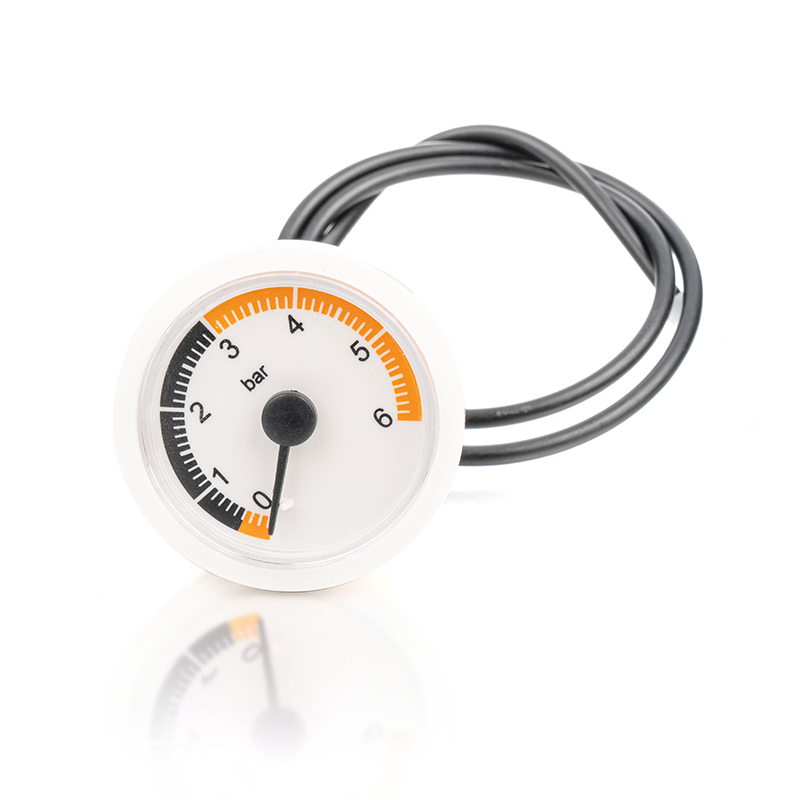
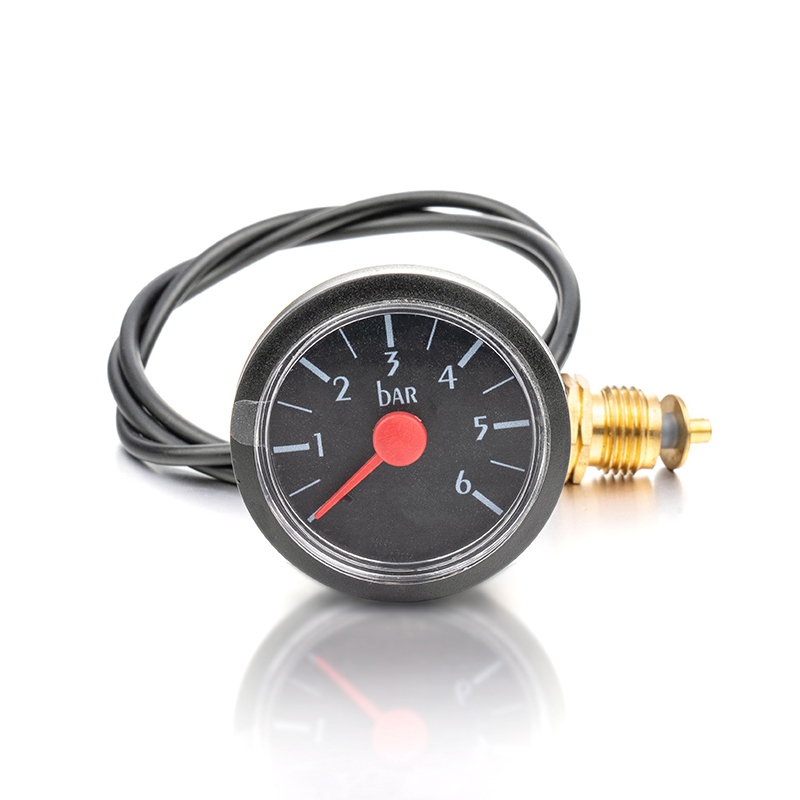
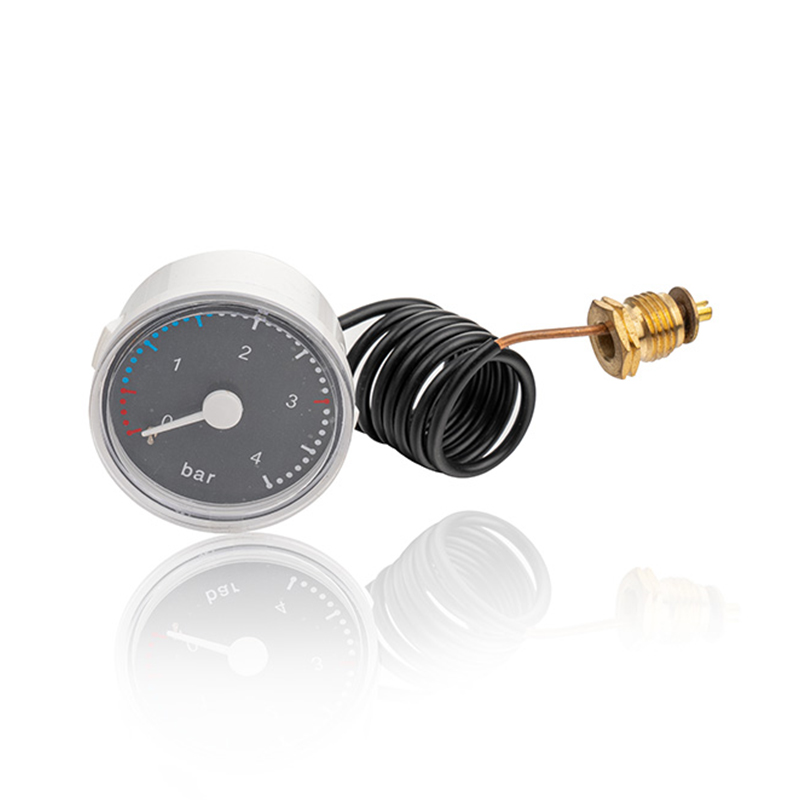
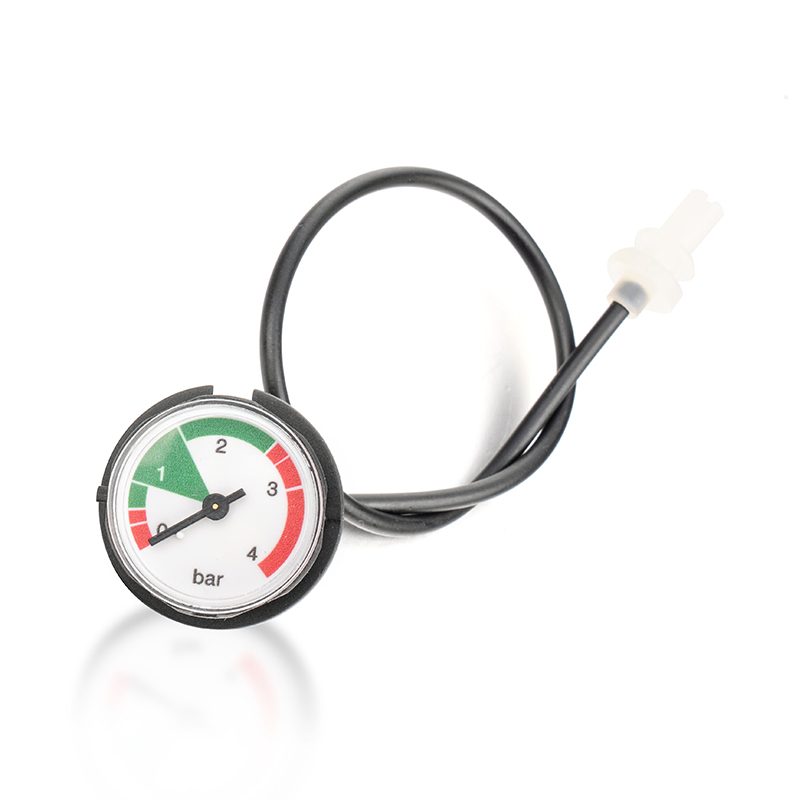
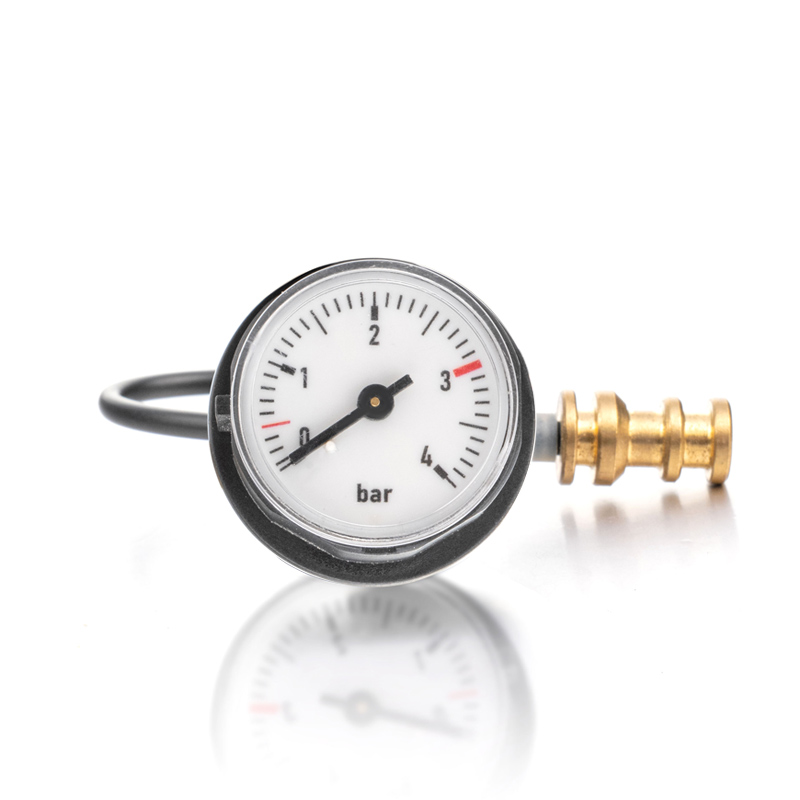
In various industrial production processes and system operations, precise monitoring of pressure parameters is key to ensuring system safety and stability. For pressure measurement, it is crucial to select the appropriate pressure gauge equipment based on different application environments and medium characteristics. Whether it is hydraulic systems, compressed air pipelines, or precision fluid detection, understanding the working principles and application scenarios of different types of pressure gauges can significantly improve the scientific nature of system maintenance.
In liquid and gaseous systems, the requirements of the environment for measuring equipment are significantly different.
In water treatment, HVAC, and municipal water supply systems, the main task of the water pressure gauge is to monitor static water pressure or dynamic flow pressure. This type of equipment usually requires good corrosion resistance to adapt to long-term contact with water media. When designing, focus should be placed on its resistance to pipeline vibrations, especially at the pump outlet; installing measuring devices with buffer structures can effectively extend service life.
In lubrication systems and hydraulic power units, the application environment of the oil pressure gauge is usually accompanied by high temperatures and oil viscosity. Since hydraulic oil is permeable, the sealing components inside the pressure gauge must meet anti-aging and oil-resistance requirements. In harsh industrial hydraulic environments, oil-filled structures are usually recommended to reduce the interference of oil path pressure pulsation on the stability of the gauge pointer and ensure the accuracy of the reading.
For compressed air systems, the core application of the air pressure gauge lies in response speed and gas tightness. Pressure fluctuations in compressed air systems are often rapid, so the Bourdon tube material inside the dial needs to have extremely high elastic stability. At the same time, to prevent corrosion caused by moisture in compressed air, stainless steel casings or surface coatings are often used.
As industrial equipment transitions to intelligence, the digital pressure gauge has become an effective means to improve system monitoring accuracy. Compared with traditional mechanical pressure gauges, digital pressure gauges have the following core advantages:
High-precision display: The digital conversion module can provide higher-resolution readings, eliminating visual reading errors of mechanical pointers under vibration.
Multi-unit conversion: It can be switched between MPa, bar, psi, and other units according to demand.
Overload protection and recording: It has pressure peak recording and overload alarm functions, which can provide data support for analyzing equipment operating status.
To help technical personnel select more intuitively based on requirements, the following technical parameter comparison reference for different measurement systems is provided:
| Pressure Gauge Type | Applicable Medium | Core Performance Indicators | Suggested Application Fields |
| water pressure gauge | Clear water, circulating water | Rated pressure level, impact resistance | Water supply networks, heat exchangers |
| oil pressure gauge | Hydraulic oil, lubricating oil | Viscosity resistance, sealing, temperature tolerance | Hydraulic power stations, machine tool systems |
| air pressure gauge | Compressed air, inert gas | Response speed, corrosion resistance, airtightness | Air compressor units, pneumatic tools |
| digital pressure gauge | Various fluids/gases | Measurement accuracy, sampling frequency, output interface | Precision laboratories, automated control lines |
Regardless of the type of pressure gauge used, standardized installation and maintenance are the prerequisites for ensuring that measurement values are true and reliable. During installation, the sealing performance at the interface must be ensured, and connection parts that meet industry standards should be used.
In daily operation, regular "zero-point calibration" is a necessary operation to reduce measurement drift. If the pointer is found to be stuck, jumping, or if foreign matter enters the interior, it should be replaced in time. For instruments working in environments with severe vibration, it is recommended to add a dampener to reduce mechanical fatigue damage to internal elastic components caused by pressure shocks. When selecting, the range should be set according to the system's pressure peak; it is recommended that the operating pressure be controlled between 1/3 and 2/3 of the full scale, thereby avoiding the impact of full-scale operation on equipment accuracy.

+86-15105800222
+86-15105800333


Shuangtang Industrial Zone,Liuheng Town , Putuo District, Zhoushan City,Zhejiang Province,China
We will reply to you within 12 hours after receiving the inquiry on working days. Or, give us a call.
The information provided on this website is intended for use only in countries and jurisdictions outside of the People's Republic of China.
Copyright © Zhoushan Jiaerling Meter Co., Ltd. All Rights Reserved.
 Wholesale Pressure Gauge Factory
