 English
 中文简体
中文简体

Call us
+86-15105800222
+86-15105800333


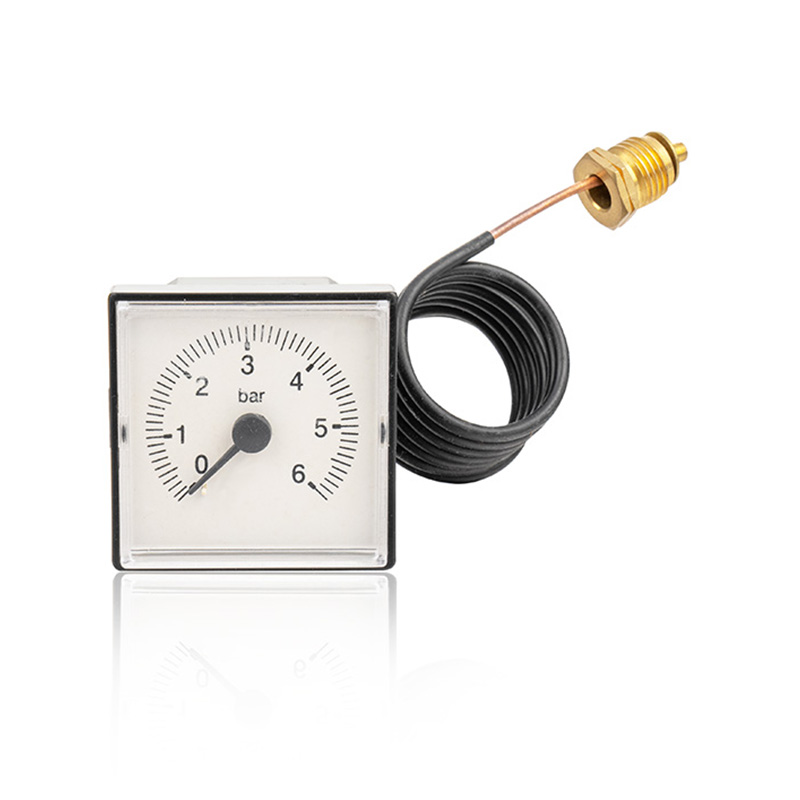
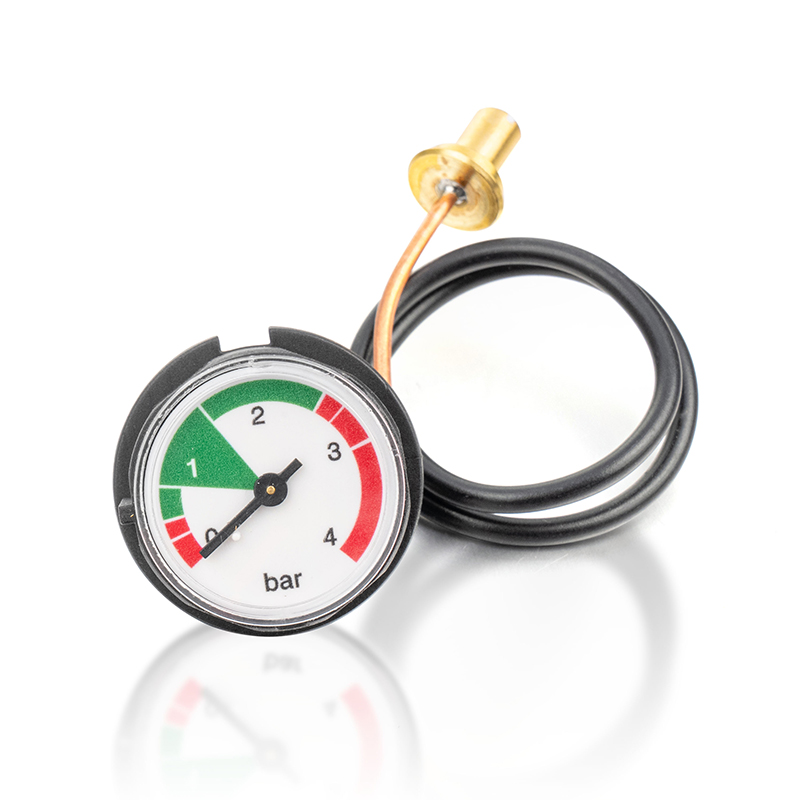
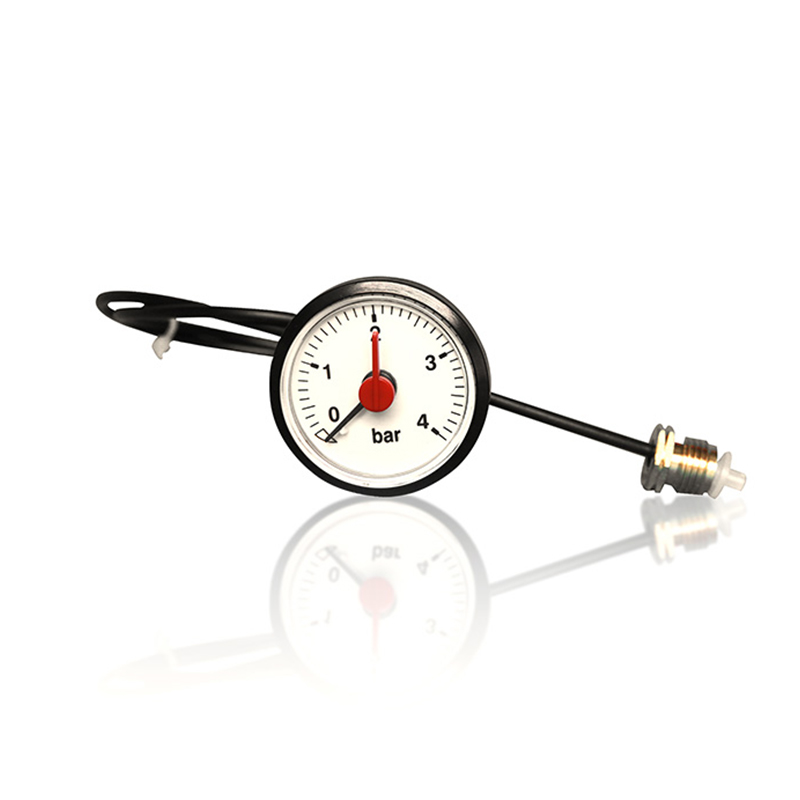
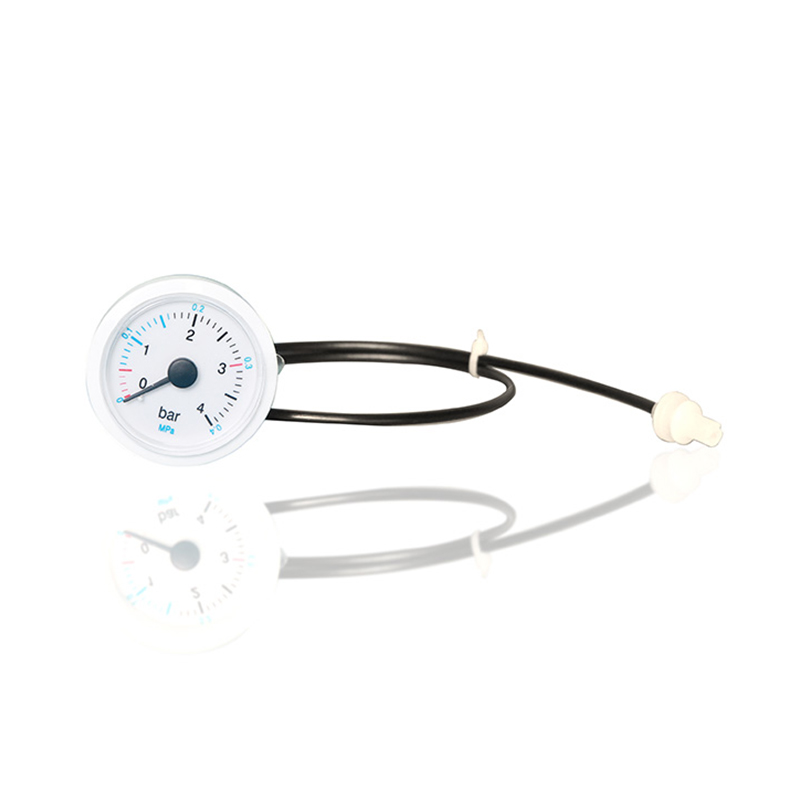
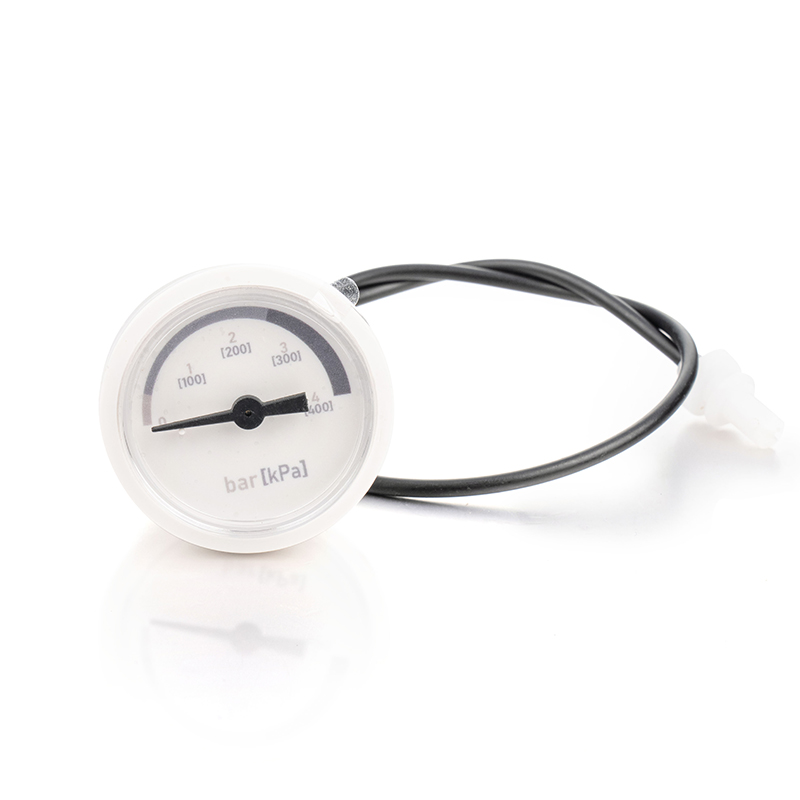
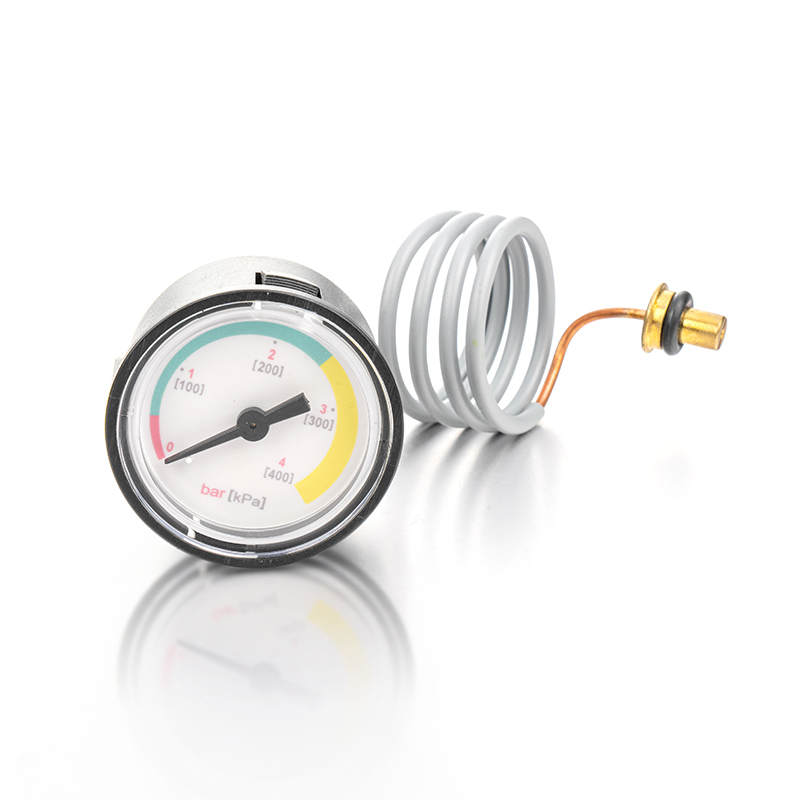
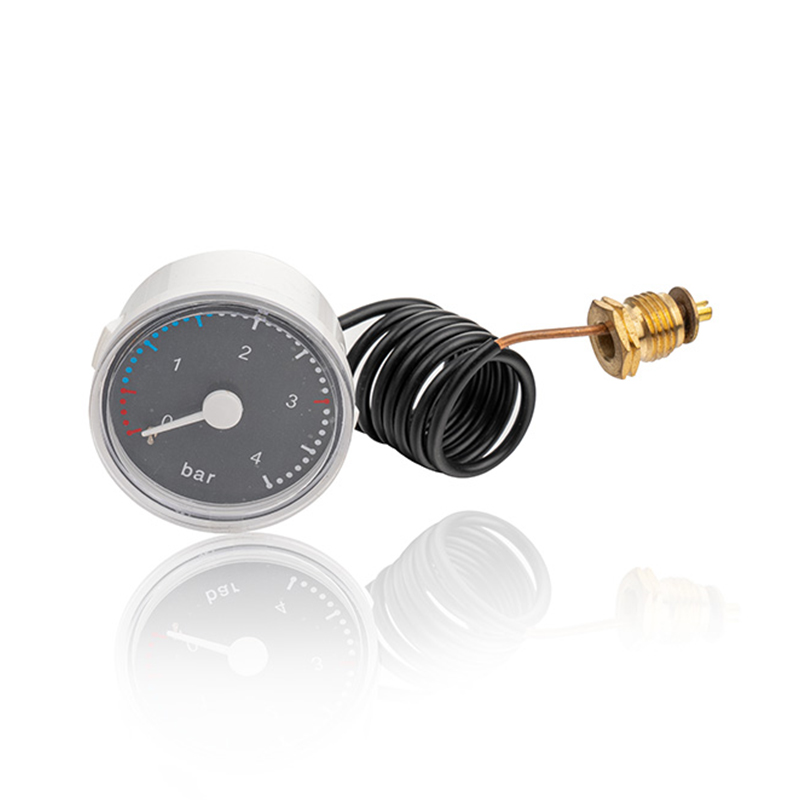
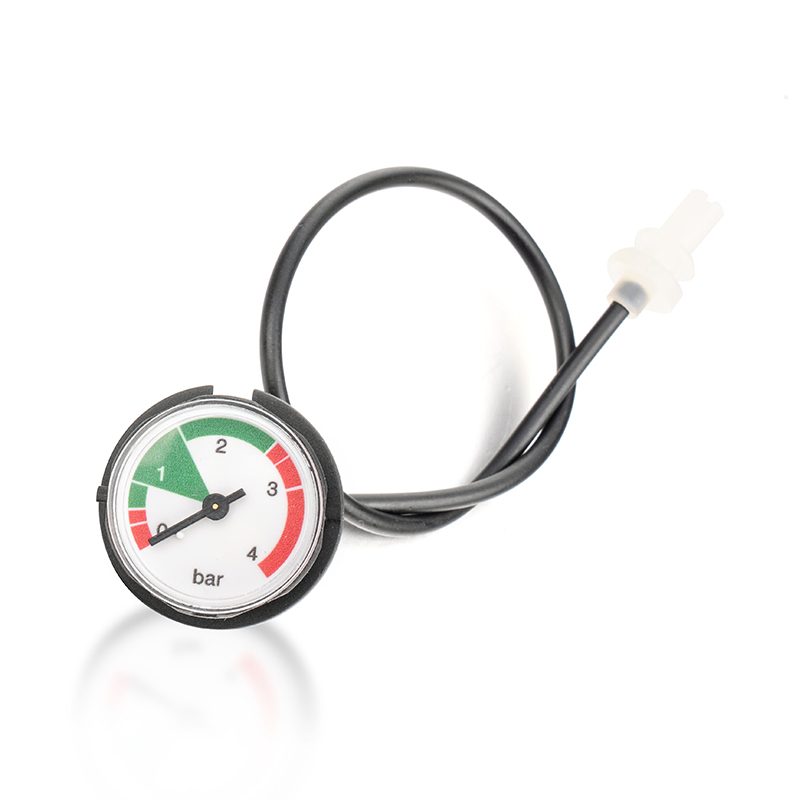
Every capillary gauge that leaves our production floor is assembled, filled, welded and pressure-tested under conditions that mirror the industrial environments it will eventually serve — from offshore platforms to pharmaceutical clean rooms. This section walks through the engineering logic behind our capillary gauge product line, the manometer variants we manufacture, the way capillary pressure is verified before shipment, and the specifications that define a reliable capillary pressure transmitter.
A capillary gauge is not simply a pressure indicator with a long tube attached to it. Inside every unit we produce, the tube is a precision-drawn capillary filled under vacuum with a temperature-stable fluid, sealed against a metal diaphragm that flexes in response to process pressure. That flex is what actually moves through the fluid column and reaches the sensing element at the far end. Because the sensing element itself never touches the process media, plants running abrasive slurries, crystallizing chemicals, or superheated steam can keep accurate readings without replacing gauges every few months.
Our production engineers size the capillary gauge diaphragm thickness according to the pressure range requested, and the capillary bore diameter according to the ambient temperature swing the installation site experiences. A narrower bore reduces fluid volume and improves temperature stability; a wider bore speeds up response time. This trade-off is decided line by line during order engineering, not left to a catalog default.
Diaphragm seals isolate corrosive media such as chlorides and acids from the measuring element, extending service life in reactors and distillation columns.
High-pressure separators and wellhead assemblies use capillary gauge units rated up to 40 MPa with stainless steel wetted parts.
Steam headers running above 350°C require capillary systems with heat-resistant filling fluid and extended capillary length for safe remote reading.
Sanitary diaphragm seals with polished 316L wetted surfaces meet clean-in-place requirements for fermenters and mixing tanks.
Our workshop produces four distinct manometer families, each built around a different sensing principle. Selecting the correct type is largely a function of the pressure differential expected on site, the vibration profile of the installation, and whether the reading needs to feed into a control loop or simply be observed locally.
| manometer Type | Typical Range | Accuracy Class | Response Behavior | Best-Fit Environment |
| U-tube manometer | 0–500 Pa | ±2% FS | Slow, direct liquid-column reading | Low-pressure laboratory and HVAC duct checks |
| Inclined-tube manometer | 0–250 Pa | ±1% FS | Amplified scale for fine differential reading | Clean room pressure differential monitoring |
| Ring-balance manometer | 0–5 kPa | ±1.5% FS | Torque-based, stable under mild vibration | Draft and furnace pressure control |
| Bellows-type manometer | 0–10 MPa | ±0.5% FS | Fast mechanical response, no liquid fill | Industrial process piping and skid systems |
Each manometer variant can be ordered with a dry-run test certificate, and bellows-type units in particular are cycle-tested to a minimum of 100,000 pressure cycles before leaving the factory to confirm long-term elastic stability.
Measuring capillary pressure correctly starts long before the gauge reaches a customer's pipeline — it begins on our own calibration bench. Because the fluid inside the capillary is what physically carries the pressure signal, any air pocket or incorrect fill volume will show up as lag or drift, so our fill process is done under vacuum and checked twice per batch.
The diaphragm assembly is welded to the process connection and leak-tested at 1.5 times rated pressure using nitrogen immersion.
Filling fluid — silicone oil, glycerin-water, or a food-grade alternative — is selected according to the declared operating temperature range.
The capillary is filled under vacuum to remove trapped air, then sealed and pressure-cycled to confirm no bubble formation.
The finished capillary gauge is checked against a deadweight tester at five points across its range, with results recorded on the calibration certificate shipped with the unit.
Temperature compensation is verified by placing the assembly in a thermal chamber and comparing readings at ambient, minus 20°C, and plus 80°C.
Customers who need field verification later can follow the same logic: check the diaphragm for physical contact with the process, confirm the capillary run has no sharp bends below a 10x-diameter bend radius, and cross-reference the reading against a calibrated reference gauge at ambient temperature before assuming the transmitter has drifted.
A capillary pressure transmitter produced on our line combines the mechanical isolation of a diaphragm seal with an electronic sensing core, so the plant gets both a physical safety barrier and a 4-20mA or digital signal ready for a control system. Below is the specification range we currently manufacture across standard and custom order tiers.
| Parameter | Standard Tier | Precision Tier |
| Accuracy Class | 0.5% FS | 0.075% FS |
| Capillary Length | 1–5 m | Up to 10 m custom |
| Operating Temperature | -20°C to 250°C | -40°C to 400°C |
| Diaphragm Material | 316L Stainless Steel | Hastelloy C / Monel / Tantalum |
| Output Signal | 4–20mA | 4–20mA HART / Modbus |
| Enclosure Rating | IP65 | IP67 / Explosion-proof options |
Precision Tier capillary pressure transmitter units go through an additional long-term drift test, held at rated pressure for 72 continuous hours, before the accuracy certificate is issued. Custom wetted-material requests, including Hastelloy and tantalum-lined diaphragms, are handled as engineered orders rather than catalog stock, which allows tighter matching to specific corrosive process chemistries.
Alongside pressure-focused capillary gauge assemblies, our HVAC line applies the same capillary-transmission principle to temperature reading. The square-dial capillary thermometer uses a sealed capillary bulb system rather than pressure diaphragms, giving building service technicians a direct mechanical reading without batteries or electronic drift, suited for chiller rooms, air handling units, and duct temperature panels where a fast visual check matters more than a digital output.
Because it shares manufacturing processes with our capillary gauge line — vacuum filling, capillary bending tolerances, dial calibration — quality control on the thermometer follows the same five-point verification approach described above, adapted for temperature rather than pressure inputs.
Standard wetted material for general chemical, water treatment, and food-adjacent applications where moderate corrosion resistance is sufficient.
Selected for chloride-heavy and highly oxidizing media where standard stainless steel would pit within months of installation.
Preferred for hydrofluoric acid and seawater-adjacent processes due to its resistance to reducing acid environments.
Default filling fluid for general industrial temperature ranges, offering stable viscosity between -20°C and 200°C.
Used for food and pharmaceutical connections where trace contact risk requires a non-toxic filling medium.
Rated to 400°C for steam and thermal oil systems where standard silicone fluids would degrade under sustained heat.
Before any capillary gauge, manometer, or capillary pressure transmitter is boxed for shipment, it passes through a documented inspection line separate from the production line itself. This separation prevents production pressure from influencing quality sign-off decisions.
Visual inspection of the dial, capillary jacket, and welded joints for cosmetic and structural defects.
Hydrostatic pressure hold test at 1.5x rated pressure for a minimum of 3 minutes with zero measurable pressure drop.
Five-point accuracy verification against a certified reference standard traceable to national calibration bodies.
Moisture-resistant export packaging with vibration-dampening inserts rated for ocean freight handling.
Even in plants running electronic transmitters, a capillary gauge is often kept as a local mechanical backup. Because it has no power requirement, it continues to display a reading during instrument power loss, which matters for safety-critical vessels where operators need a pressure reference even during an electrical fault.
Of the four manometer types we produce, bellows-type and ring-balance designs handle vibration best, since neither depends on a free liquid surface. U-tube and inclined-tube manometers are more accurate at rest but can show reading oscillation on equipment with continuous mechanical vibration.
Field technicians typically cross-check a capillary pressure reading using a secondary calibrated gauge connected through a test port near the diaphragm seal, without breaking the primary capillary loop. This avoids introducing air into the sealed fluid system, which would otherwise require a full factory refill.
Standard Tier units are recommended for recalibration every 12 months, while Precision Tier units with certified long-term drift testing can extend to 18-24 months depending on process severity and ambient vibration exposure.
Yes, cryogenic-rated capillary gauge units use a low-freeze-point filling fluid and thicker capillary insulation jacketing to prevent fluid crystallization, and are engineered on a per-order basis rather than kept as standard stock.

+86-15105800222
+86-15105800333


Shuangtang Industrial Zone,Liuheng Town , Putuo District, Zhoushan City,Zhejiang Province,China
We will reply to you within 12 hours after receiving the inquiry on working days. Or, give us a call.
The information provided on this website is intended for use only in countries and jurisdictions outside of the People's Republic of China.
Copyright © Zhoushan Jiaerling Meter Co., Ltd. All Rights Reserved.
 Wholesale Pressure Gauge Factory
