 English
 中文简体
中文简体

Call us
+86-15105800222
+86-15105800333


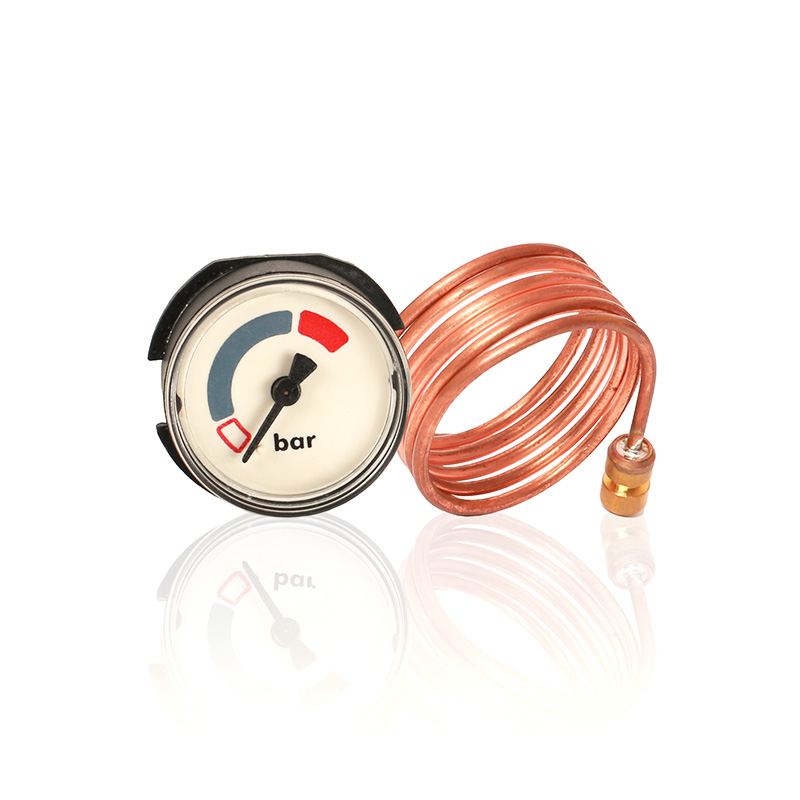
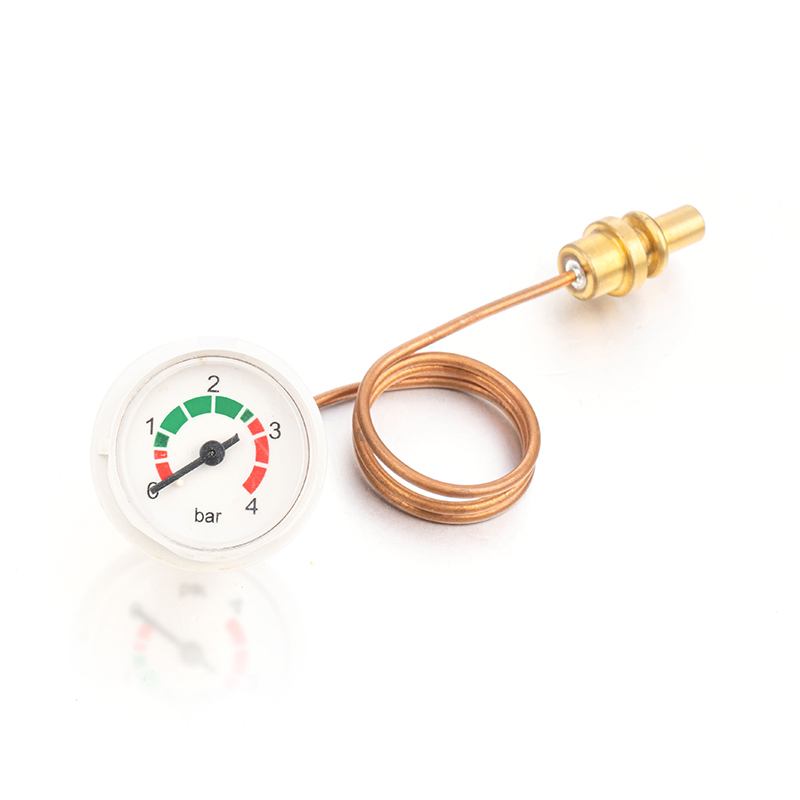
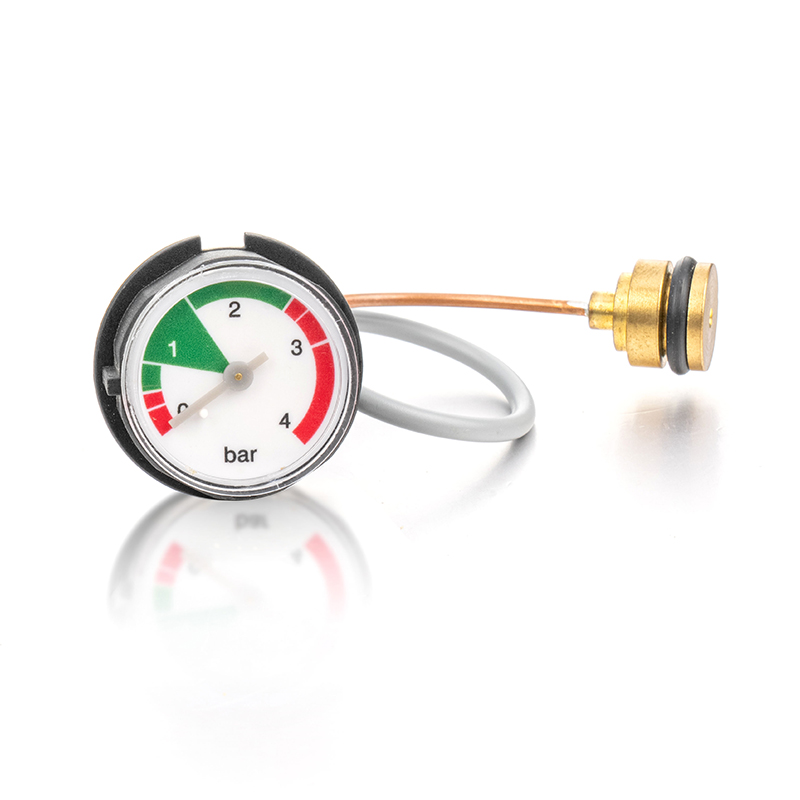
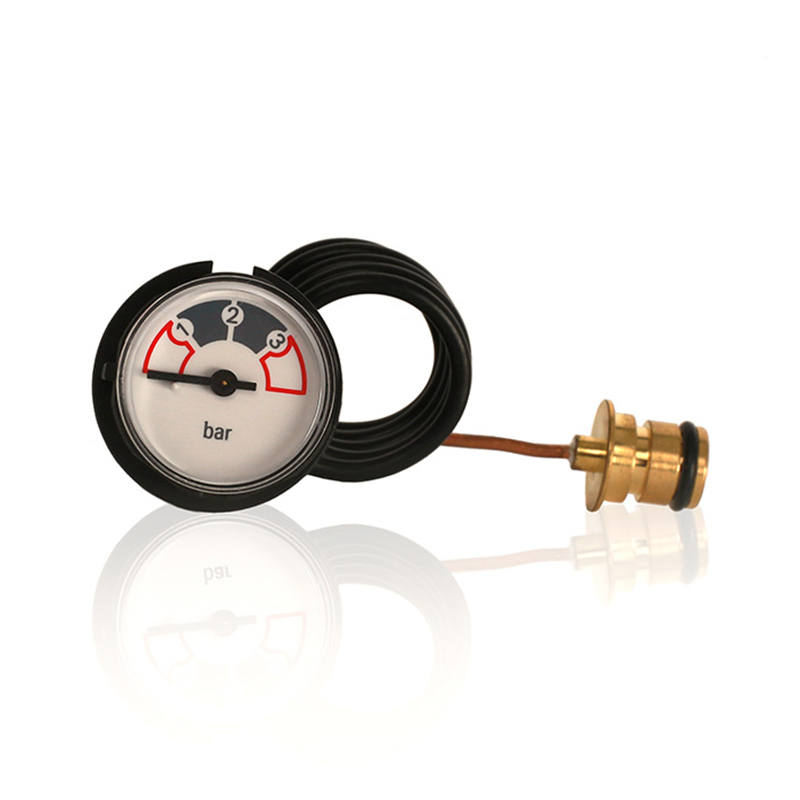
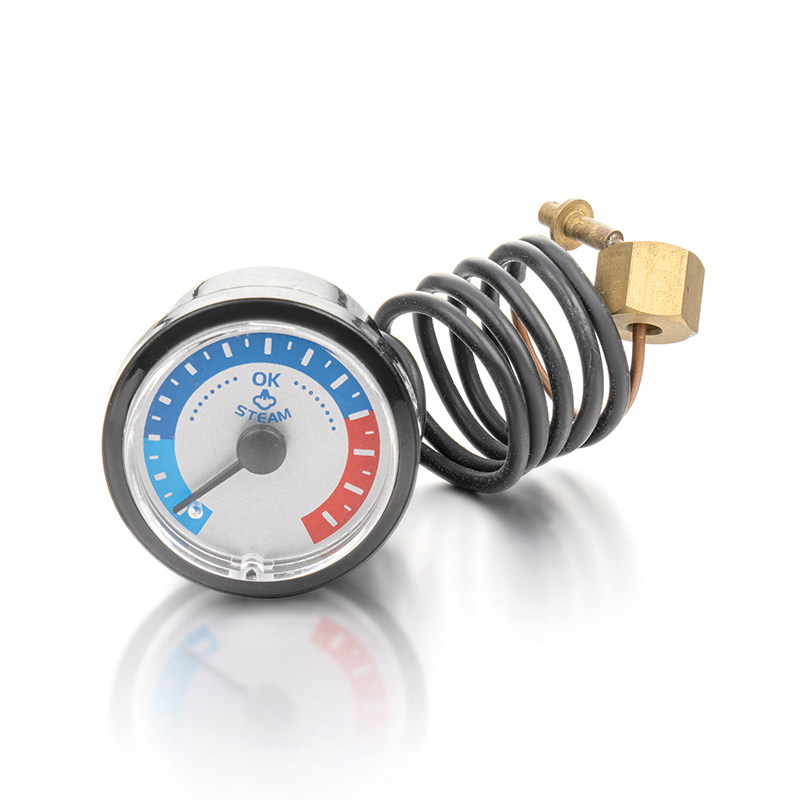
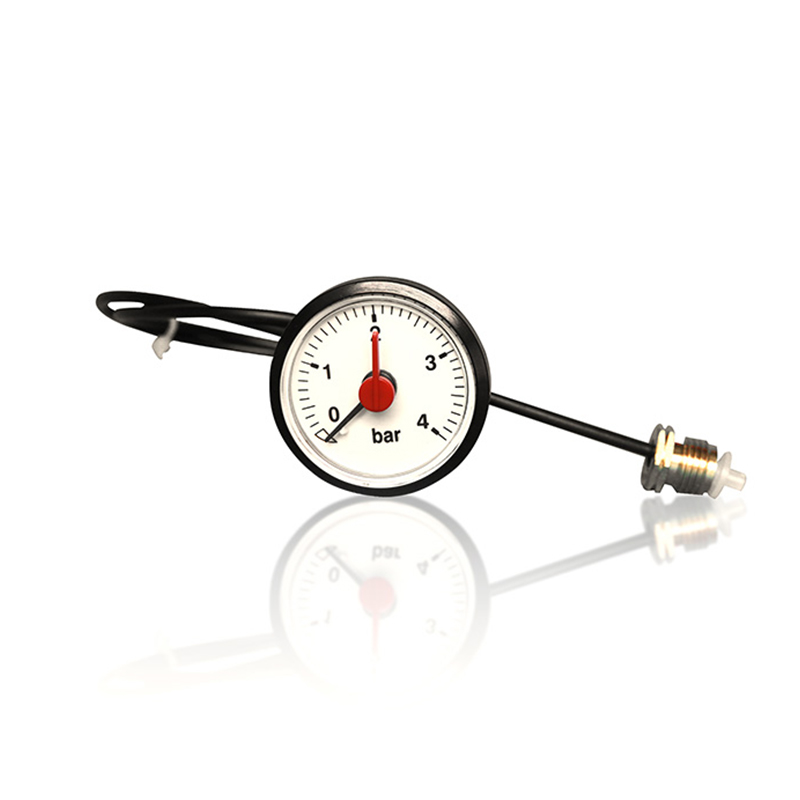
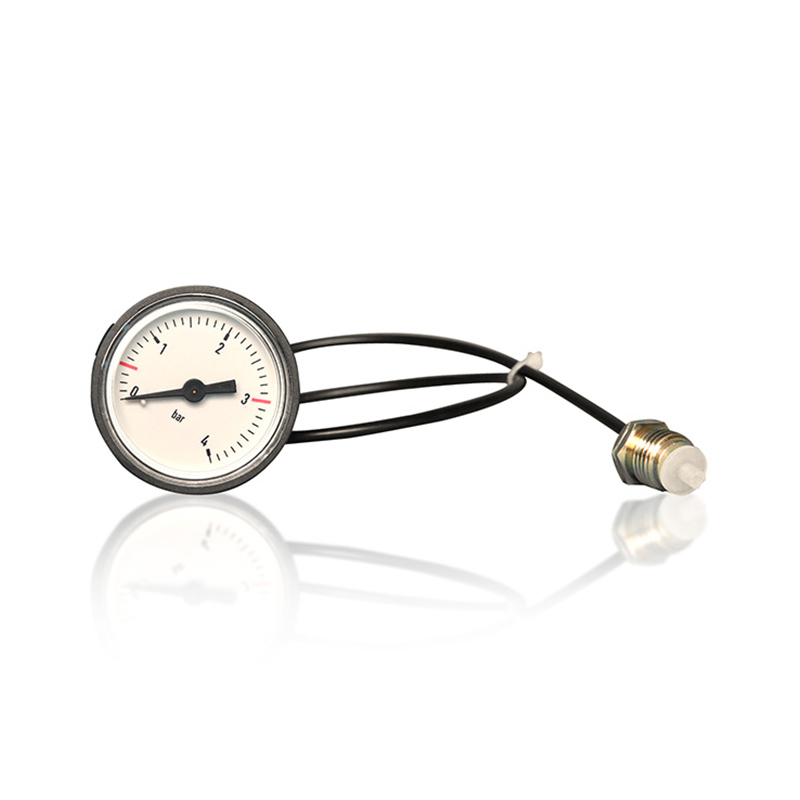
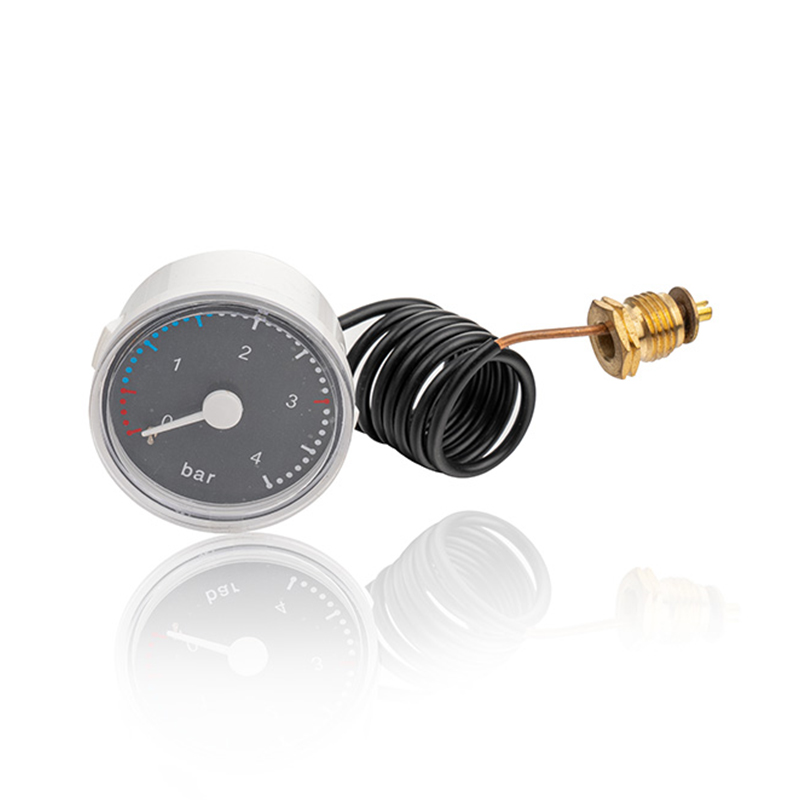
pressure gauge is a fundamental instrument in pressure measurement systems used for monitoring gas or liquid pressure in industrial processes, mechanical equipment, and fluid control networks. The primary function of a pressure gauge is to convert physical pressure into a readable mechanical indication or electronic signal, enabling real-time assessment of system operating conditions. In industrial applications, pressure gauge performance is defined by accuracy class, pressure range, response characteristics, and structural durability.
pressure gauge generally operates through elastic sensing elements such as Bourdon tube, diaphragm, or bellows structures. When pressure is applied, the elastic element deforms and transmits motion through a mechanical linkage to drive a pointer or activate a sensor output. Mechanical pressure gauge systems are widely used due to their stability and resistance to electromagnetic interference, especially in harsh industrial environments where vibration and temperature fluctuations are common.
oil pressure gauge
oil pressure gauge is specifically designed for lubricating systems, hydraulic circuits, and internal combustion engine monitoring systems. The working environment of oil pressure gauge involves viscous fluids and often fluctuating pressure conditions. Typical measurement ranges of oil pressure gauge are concentrated between 0 to 10 bar or 0 to 25 bar depending on system design requirements. Internal damping structures are commonly integrated to reduce pointer oscillation caused by pulsating oil flow. Material selection for oil pressure gauge focuses on oil resistance, thermal stability, and long-term sealing performance under elevated temperature conditions. oil pressure gauge plays a critical role in monitoring lubrication health, detecting pump failures, and ensuring stable mechanical operation.
water pressure gauge
water pressure gauge is widely applied in water supply systems, cooling circulation systems, and building plumbing networks. water pressure gauge design emphasizes corrosion resistance due to continuous contact with water and potential impurities. Stainless alloys or corrosion-resistant materials are commonly used in wetted parts. water pressure gauge typically operates in pressure ranges such as 0 to 6 bar, 0 to 10 bar, or 0 to 16 bar. In hydraulic distribution systems, water pressure gauge must withstand transient pressure surges caused by water hammer effects. Stable performance of water pressure gauge is essential for maintaining safe distribution pressure and preventing pipeline damage.
air pressure gauge
air pressure gauge is used for compressed air systems, pneumatic control circuits, and industrial air supply pipelines. air pressure gauge requires high sealing performance to prevent leakage and ensure measurement accuracy. Compared with liquid-based gauges, air pressure gauge responds faster due to the low density and high compressibility of gas media. Standard operating ranges for air pressure gauge commonly include 0 to 10 bar and 0 to 16 bar. air pressure gauge is essential in monitoring compressor output stability, air tank pressure regulation, and pneumatic actuator performance. Proper calibration of air pressure gauge ensures reliable operation of automated air-driven systems.
digital pressure gauge
digital pressure gauge utilizes electronic pressure sensors to convert physical pressure into electrical signals, which are then processed and displayed digitally. digital pressure gauge offers higher resolution and improved accuracy compared with traditional mechanical types. Common accuracy levels of digital pressure gauge can reach ±0.5% full scale or better depending on sensor configuration. digital pressure gauge often includes functions such as peak hold, unit switching, data logging, and signal output integration. Due to its electronic nature, digital pressure gauge requires stable power supply and is designed with anti-vibration and electromagnetic shielding features for industrial environments. digital pressure gauge is widely used in automated control systems where real-time monitoring and data acquisition are required.
pressure gauge performance comparison across different types shows significant variation in accuracy, response time, and application suitability.
Accuracy levels
oil pressure gauge ±1.5% FS
water pressure gauge ±1.6% FS
air pressure gauge ±1.6% FS
digital pressure gauge ±0.5% FS
Response characteristics
oil pressure gauge medium response due to damping effect
water pressure gauge moderate response suitable for steady flow systems
air pressure gauge fast response due to gas compressibility
digital pressure gauge very fast response due to electronic sampling
Pressure range adaptability
oil pressure gauge commonly 0 to 25 bar range
water pressure gauge commonly 0 to 16 bar range
air pressure gauge commonly 0 to 16 bar range
digital pressure gauge wide range scalability from low to high pressure applications
In industrial systems, pressure gauge selection is determined by working medium characteristics, environmental conditions, and required measurement precision. oil pressure gauge is optimized for viscous fluid stability monitoring, water pressure gauge is optimized for corrosion-resistant hydraulic applications, air pressure gauge is optimized for pneumatic stability control, and digital pressure gauge is optimized for high-precision automated monitoring systems.
pressure gauge systems are widely integrated into mechanical and industrial infrastructures to ensure operational safety and process stability.

+86-15105800222
+86-15105800333


Shuangtang Industrial Zone,Liuheng Town , Putuo District, Zhoushan City,Zhejiang Province,China
We will reply to you within 12 hours after receiving the inquiry on working days. Or, give us a call.
The information provided on this website is intended for use only in countries and jurisdictions outside of the People's Republic of China.
Copyright © Zhoushan Jiaerling Meter Co., Ltd. All Rights Reserved.
 Wholesale Pressure Gauge Factory
