 English
 中文简体
中文简体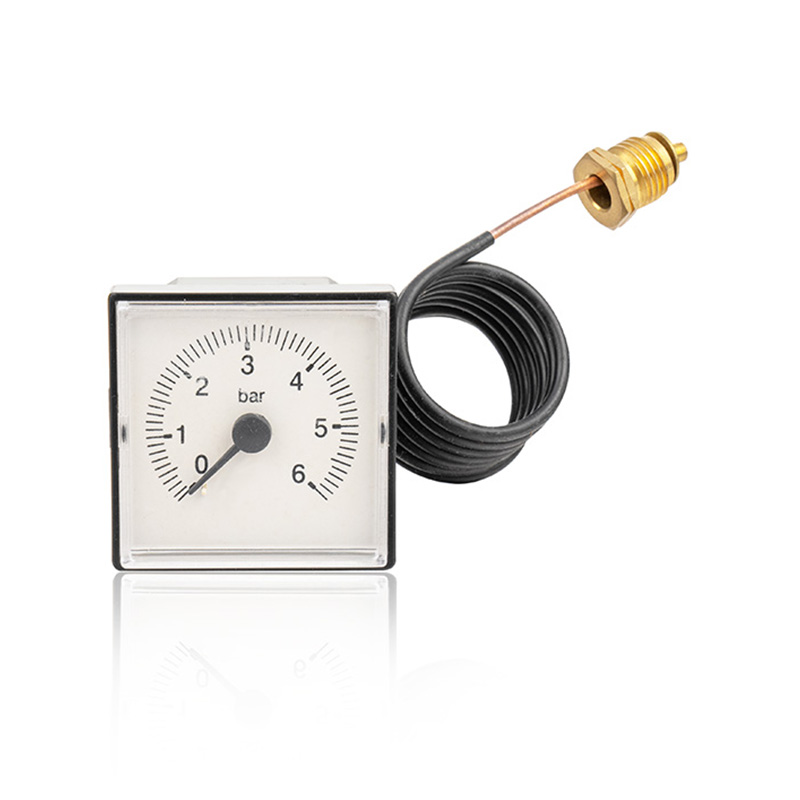



Call us
+86-15105800222
+86-15105800333


In industrial production, process control, and equipment maintenance, pressure and temperature are the most critical physical parameters for measuring system operational status. To achieve efficient production monitoring and precise process control, instruments such as pressure thermometer, digital temperature gauge, air pressure thermometer, pressure gauge thermometer, temperature thermometer pressure, and thermometer pressure gauge constitute the foundation of modern industrial measurement technology. Understanding the technical characteristics and application scenarios of these instruments is essential for optimizing system performance and enhancing production safety.
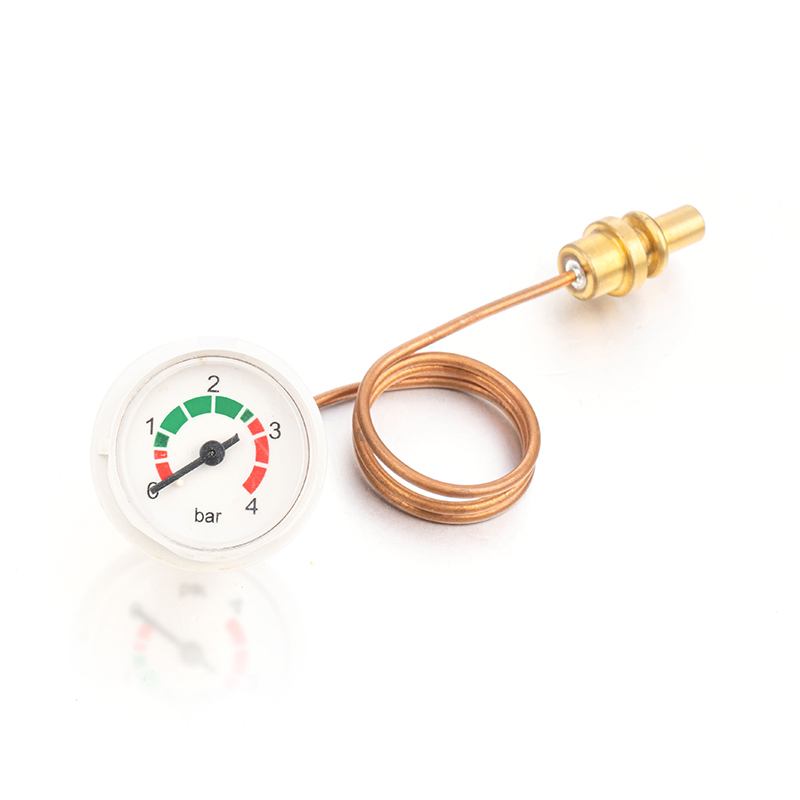
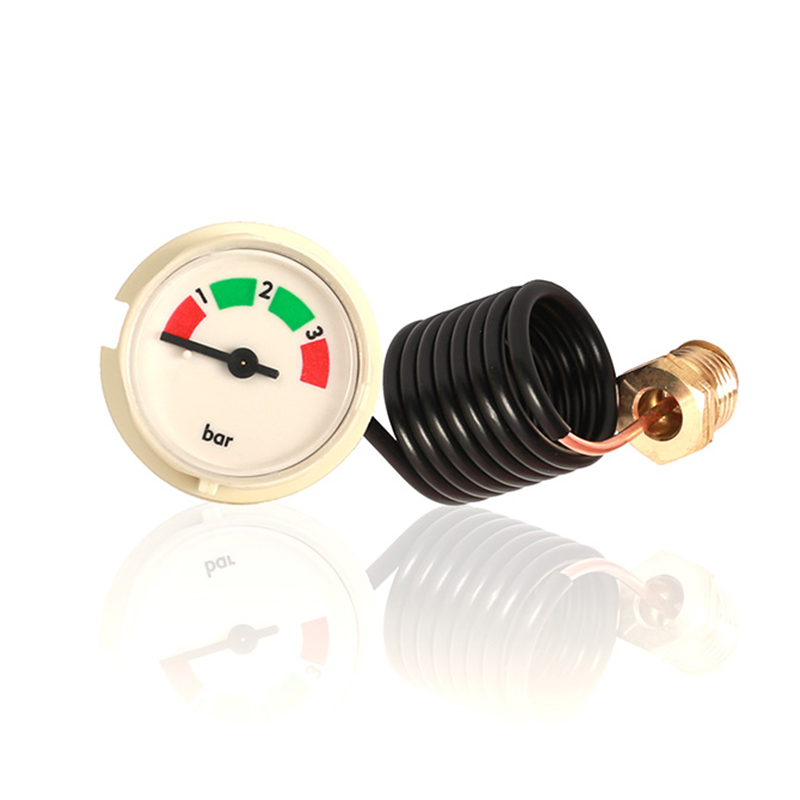
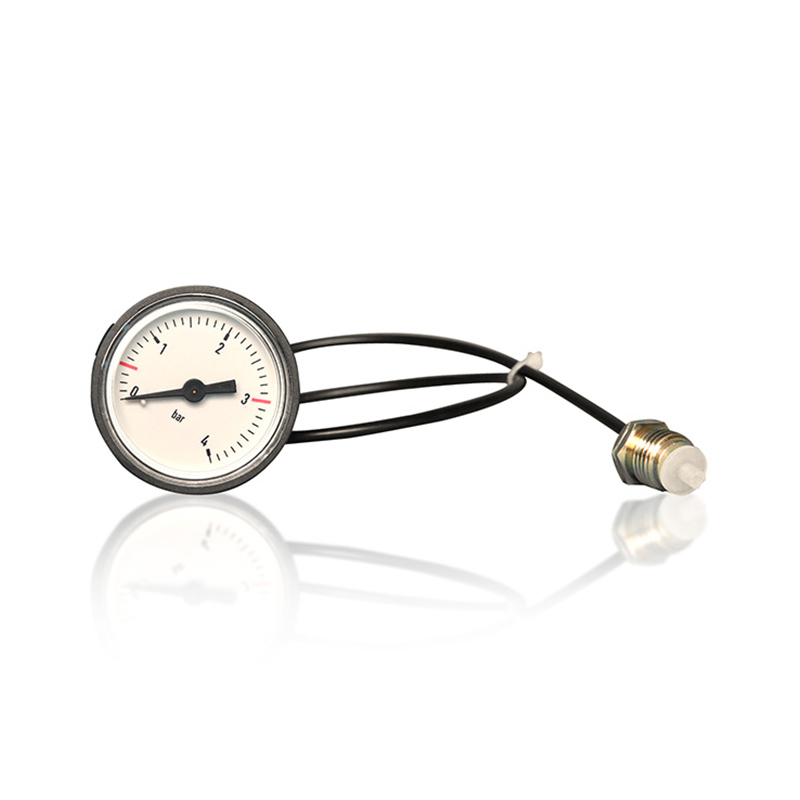
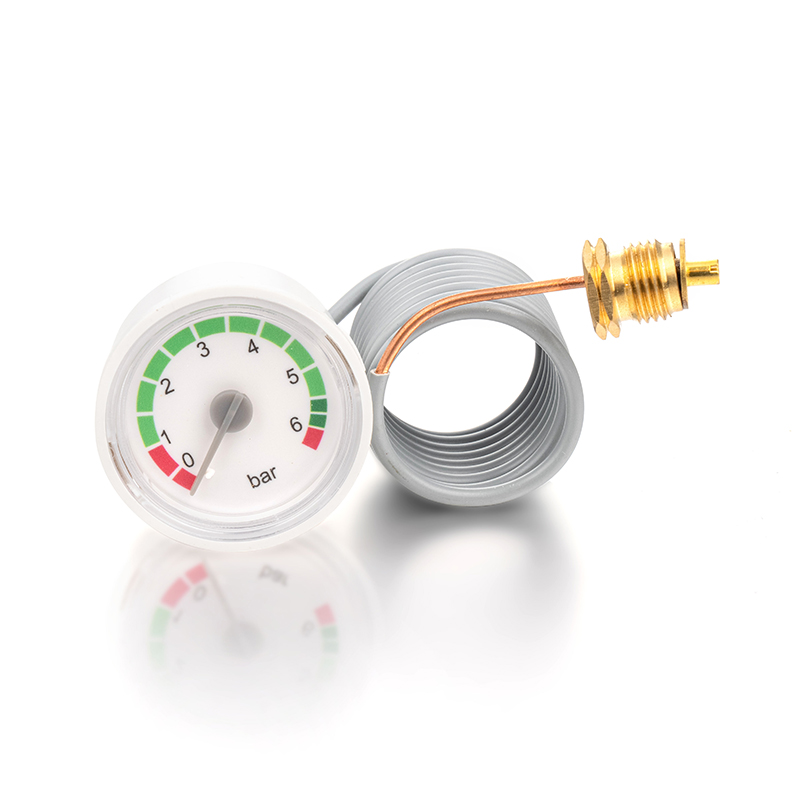
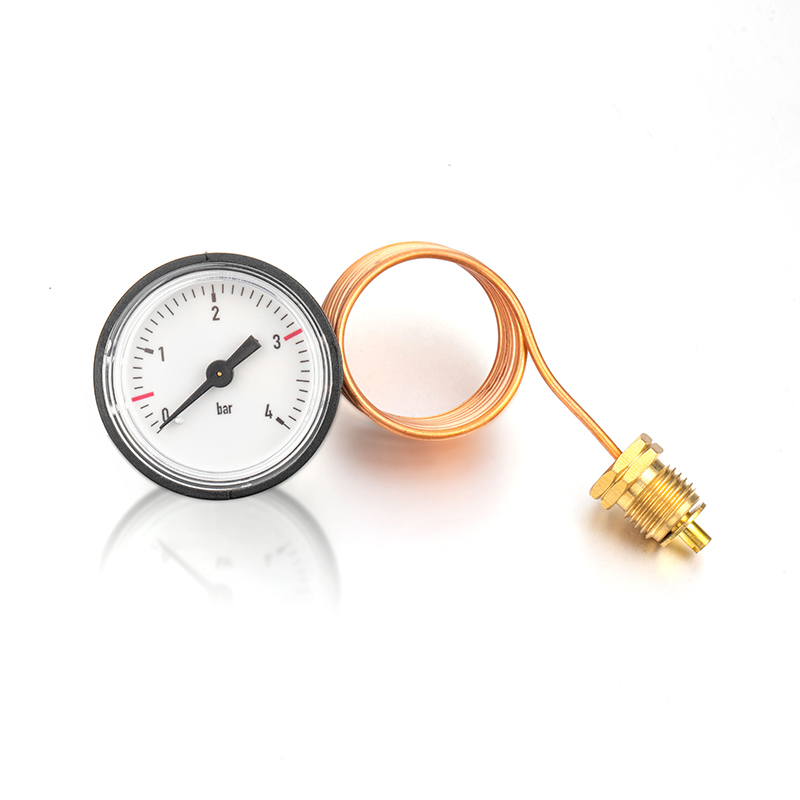
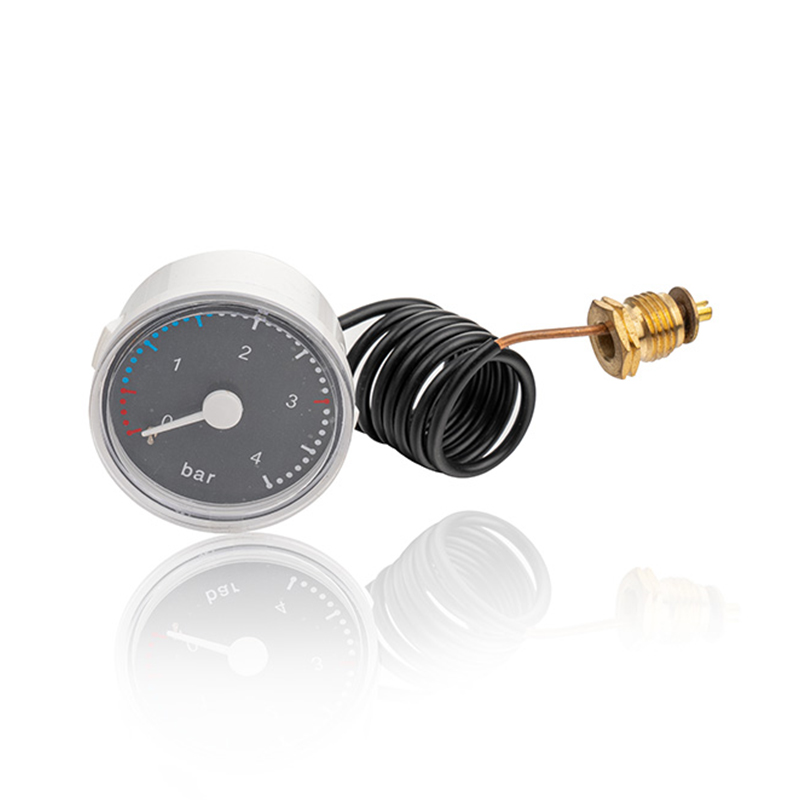
In complex industrial pipelines and reaction vessels, space constraints often require instruments to have a high degree of integration. A pressure gauge thermometer integrates pressure sensing and temperature sensing into a single housing. This design simplifies installation and reduces the risk of leaks at process connection points. Through a single measurement interface, operators can simultaneously obtain pressure and temperature readings, which is highly practical in hydraulic systems, compressed air pipelines, and boiler monitoring.
In terms of working principles, these composite instruments typically combine Bourdon tubes or pressure diaphragm sensors with capillary temperature bulbs or bimetallic thermometers. This structure enables local mechanical display, which is particularly suitable for field environments where laying cables is inconvenient or power supply is limited.
With the upgrading of industrial automation, the digital temperature gauge is increasingly becoming the preferred choice for high-precision environments. Compared to traditional dial gauges, digital display instruments offer faster response times, superior vibration resistance, and intuitive readings. In precision laboratories or chemical reactors highly sensitive to temperature fluctuations, digital instruments can provide accuracy levels reaching 0.1% of the full scale and can implement over-limit alarm functions through internal logic circuits.
Digital instruments typically use Resistance Temperature Detectors (RTD, such as PT100) or thermocouples as sensing elements. These elements convert the sensed physical heat into electrical signals, which are processed by an Analog-to-Digital Converter (ADC) and displayed on LED or LCD screens. This electronic measurement method not only broadens the measurement range but also allows data to be connected to remote control centers via standard current loops (4-20mA) or digital communication interfaces, thereby avoiding errors associated with manual inspection.
In pneumatic control systems, the air pressure thermometer is a key device for monitoring system pressure. The temperature and pressure of compressed air are directly related to the operating efficiency of pneumatic actuators. If the compressed air temperature is too high, seal aging is accelerated; if pressure is unstable, the synchronization precision of the production line is affected. Professional-grade air pressure monitoring instruments require excellent sealing performance, and their measurement cores typically use diaphragm-type pressure sensors, which can effectively block trace impurities that may exist in the airflow.
To help engineering technicians select the appropriate measurement equipment more accurately, the following table lists the core technical indicator differences of various pressure and temperature measurement instruments for reference during system integration:
| Instrument Type | Core Measurement Principle | Typical Accuracy Range | Environmental Characteristics | Data Output Method |
| pressure thermometer | Bimetallic/Bourdon Tube | 1.6% - 2.5% | Severe Vibration Environment | Mechanical Pointer |
| digital temperature gauge | RTD (PT100) | 0.2% - 0.5% | Precision Temperature Control Zone | Field Display/Analog Signal |
| air pressure thermometer | Diaphragm Sensing | 1.0% - 1.6% | High Flow Rate Gas | Mechanical Pointer |
| pressure gauge thermometer | Combined Mechanical Sensing | 1.5% - 2.5% | Limited Installation Space | Dual Dial Display |
Regardless of whether using temperature thermometer pressure or a professional thermometer pressure gauge, periodic calibration is a prerequisite for ensuring measurement accuracy. In industrial applications, mechanical vibration, pulsating pressure, and corrosive media can all lead to measurement deviation.
Zero Point Calibration: For mechanical pressure instruments, the zero position should be checked quarterly to ensure the pointer returns to zero at atmospheric pressure.
Connection Point Inspection: For all types of pressure interfaces, a leak detection spray should be used regularly to check sealing gaskets to prevent micro-leaks that could cause low air pressure values and trigger malfunctions in automation systems.
Environmental Protection: For humid or dusty environments, instruments with IP65 or higher protection ratings must be selected to prevent moisture from entering the gauge head and causing blurred displays or internal component corrosion.
Temperature Probe Maintenance: For digital temperature measurement equipment, ensure the probe is in good contact with the pipeline medium. If necessary, use thermal conductive grease to reduce heat conduction delays and ensure that measurement results reflect the process state in real time.

+86-15105800222
+86-15105800333


Shuangtang Industrial Zone,Liuheng Town , Putuo District, Zhoushan City,Zhejiang Province,China
We will reply to you within 12 hours after receiving the inquiry on working days. Or, give us a call.
The information provided on this website is intended for use only in countries and jurisdictions outside of the People's Republic of China.
Copyright © Zhoushan Jiaerling Meter Co., Ltd. All Rights Reserved.
 Wholesale Pressure Gauge Factory
